Top Quality Belt Pulleys for Global Buyers How to Choose?
Choosing the right Belt Pulleys is crucial for any application. These components play a vital role in mechanical systems, ensuring efficiency and reliability. Different industries require specific types of Belt Pulleys. Therefore, understanding your needs is essential.
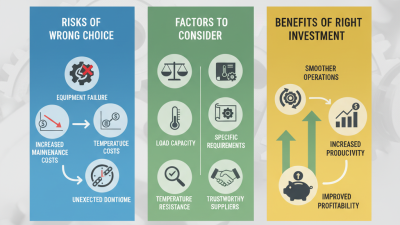
When selecting Belt Pulleys, consider factors such as material and design. The wrong choice may lead to system failures. Not all suppliers offer the same quality. Thus, thorough research helps in identifying reputable manufacturers. Certifications and customer reviews provide insights into a company’s reliability.
As buyers, understanding these elements can enhance decision-making. Yet, many overlook the importance of compatibility. A mismatch can complicate operations. This highlights the need for a balanced approach, blending technical knowledge with practical considerations.
Understanding the Different Types of Belt Pulleys Available on the Market
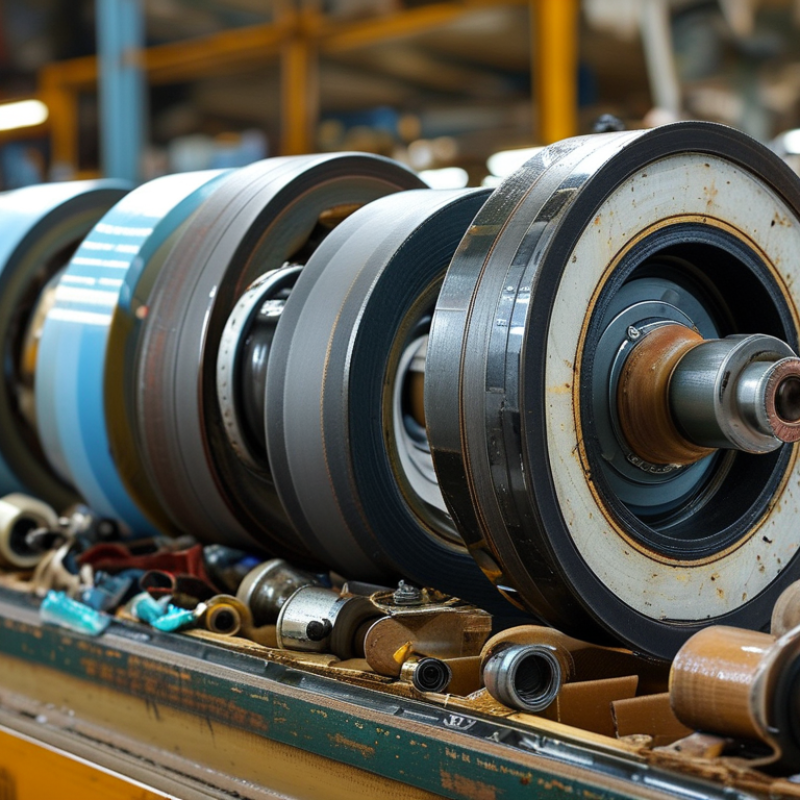
When exploring the different types of belt pulleys, it’s essential to consider their specific functions. Belt pulleys are commonly categorized into a few types: flat, V-groove, and timing pulleys. Each type serves a unique purpose based on the transmission of power or motion. For instance, flat pulleys are usually used in simpler applications requiring minimal tension. They lack the mechanical advantage that other designs provide.
V-groove pulleys, on the other hand, excel in gripping the belt firmly. They offer better efficiency in transferring power, which makes them suitable for more demanding applications involving heavier loads. Timing pulleys provide synchronization between moving parts. They are crucial in machines where precise motion is required. However, selecting the right pulley can be overwhelming due to various patterns and sizes available.
Many buyers find it challenging to identify their specific needs. They may choose a pulley based on initial price rather than long-term functionality. This often leads to suboptimal performance. It’s vital to assess not just the cost but also the environmental factors, such as dust and moisture, that may affect pulley performance. Understanding these nuances can significantly enhance operational efficiency while extending the lifespan of the components used.
Top Quality Belt Pulleys for Global Buyers How to Choose? - Understanding the Different Types of Belt Pulleys Available on the Market
| Type of Belt Pulley |
Material |
Diameter (mm) |
Belt Width (mm) |
Max RPM |
Typical Use |
| V-Belt Pulley |
Cast Iron |
100 |
20 |
1500 |
Machinery Drives |
| Flat Belt Pulley |
Aluminum |
150 |
30 |
2000 |
Conveyor Systems |
| Timing Belt Pulley |
Polycarbonate |
50 |
15 |
2500 |
Precision Machinery |
| Sheave Pulley |
Steel |
200 |
50 |
1200 |
Elevators |
| Idler Pulley |
Rubber |
75 |
25 |
1000 |
Belt Conveyors |
Key Factors to Consider When Choosing Belt Pulleys for Your Application
When selecting belt pulleys for your application, several key factors must be evaluated. The type of material is crucial. Common materials include steel, aluminum, and plastic. Steel offers durability, while aluminum is lighter. Plastic can reduce noise and wear. Industry research indicates that about 70% of users face challenges related to material selection, which often influences performance and longevity.
Another critical aspect is the pulley size. Sizing impacts the efficiency of your system. An oversized pulley can lead to slippage, while an undersized one may result in overheating. According to a report by the Mechanical Power Transmission Association, improper sizing is a leading cause of maintenance issues in machinery. A meticulous approach to measuring diameter and width can mitigate these risks.
The pulley design, including the groove type, is equally important. Different designs serve various applications. For instance, V-grooves are handy in maintaining tension. However, they might not be ideal for high-speed applications. Notably, confusion over which design to choose can complicate installation. Users are advised to consult technical resources, as about 40% admit they overlooked design specifics in previous purchases. This oversight can lead to costly errors in the long run.
Evaluating Material Quality and Durability of Belt Pulleys
When selecting belt pulleys, evaluating material quality is crucial. High-quality materials enhance performance and lifespan. Look for materials that offer excellent resistance to wear and tear. Metal and reinforced plastics are often better choices. These materials can withstand various operating conditions. Their durability is vital for maintaining efficiency.
Another factor to consider is the manufacturing process. Precision engineering can significantly affect performance. Pulleys made with advanced techniques tend to last longer. However, some may overlook the importance of local manufacturing versus international imports. Local products may provide better quality control, as they often adhere to stricter standards.
Remember, not all pulleys are created equal. Some may perform well initially but degrade faster over time. Consider consulting technical specifications and user reviews. These insights help in avoiding poor choices. Investing time in research pays off. Quality pulleys lead to smoother operations and reduced maintenance costs.
The Importance of Sizing and Compatibility in Belt Pulley Selection
When selecting belt pulleys, sizing and compatibility play critical roles. Incorrect sizing can lead to inefficient power transmission or even mechanical failure. According to industry reports, nearly 30% of machinery failures are attributed to improper component sizing. This highlights how attention to detail is essential during the selection process.
A few tips can simplify this task. Start by measuring the shaft diameter where the pulley will be installed. Ensure that the pulley bore matches this measurement closely. Consider the belt type used with the pulley as well. Each belt requires a specific pulley design to maintain optimal performance. Additionally, check the load capacity to avoid overloading the pulley, which can lead to premature wear.
Compatibility is equally important. Pulleys must align properly with other components in the system. Misalignment can result in belt slippage and increased wear. Industry studies reveal that proper alignment can enhance efficiency by up to 15%. Regular checks are needed to ensure all components work together efficiently. Engaging with knowledgeable suppliers can further enhance selection confidence. Their expertise can provide insights into any compatibility concerns, helping you avoid potential pitfalls.
Top Quality Belt Pulleys - Size and Compatibility Analysis
Comparative Analysis of Top Manufacturers and Brands for Belt Pulleys
When selecting belt pulleys, a comparative analysis of various manufacturers is essential. Different brands offer unique features and specifications. Some focus on material quality, while others prioritize performance. Understanding these differences can inform better purchasing decisions.
Quality and reliability are critical factors. Many manufacturers use different alloys, which affect durability. Some pulleys might have a high tensile strength but can be prone to wear in specific environments. It's crucial to examine the context of use. A less robust pulley may be suitable for lighter tasks, while heavy-duty options are needed for more demanding applications.
Trust in manufacturer reputation also plays a role in decision-making. Research into customer feedback is invaluable. However, not all reviews offer a complete picture. Some might exaggerate capabilities, leading to misplaced trust. Engaging with industry experts or forums can provide more nuanced insights. This information can help identify which manufacturers consistently deliver quality products.