Why Choose the Right Drive Belts for Your Business Needs?
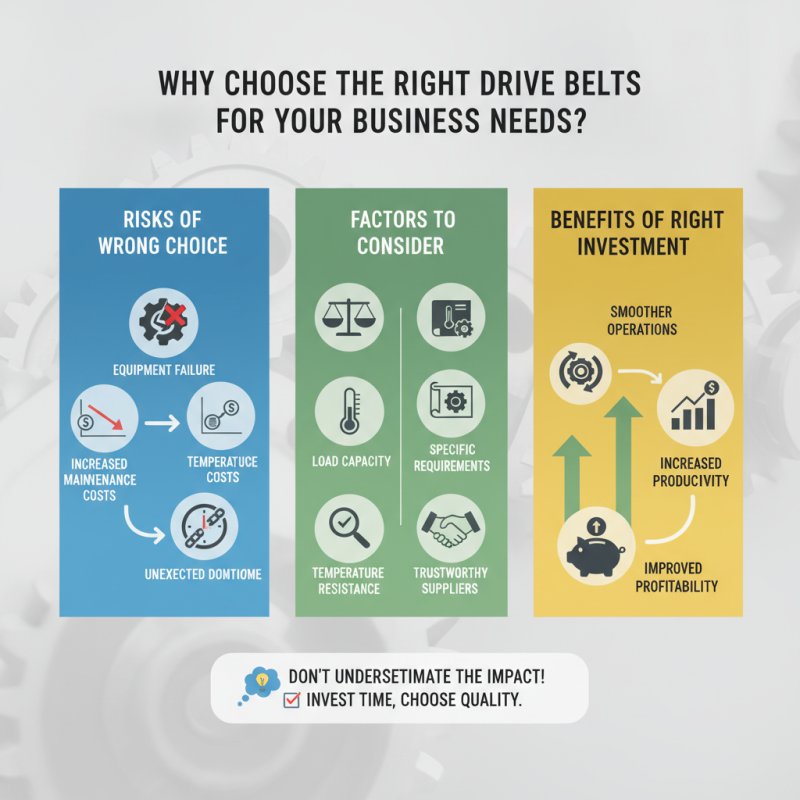
Choosing the right drive belts is crucial for any business. Drive belts play a vital role in machinery, affecting efficiency and productivity. Selecting the wrong drive belt can lead to equipment failure, increased maintenance costs, and unexpected downtime. Many companies underestimate this impact.
In various industries, drive belts differ in design and functionality. Some belts handle higher loads, while others excel in temperature resistance. Knowing your specific requirements is essential. It’s often surprising how minor differences can affect overall performance. Trustworthy suppliers can provide insights based on experience and expertise.
A common oversight is assuming one size fits all. Businesses may choose drive belts based solely on price, ignoring quality. This decision can lead to more significant issues down the line. Investing time in understanding your needs will pay off. Properly chosen drive belts ensure smoother operations, ultimately benefiting your bottom line.
Importance of Selecting Appropriate Drive Belts for Operational Efficiency
Choosing the right drive belts is crucial for operational efficiency. These components impact machinery performance and overall productivity.
According to industry reports, approximately 30% of mechanical failures relate to belt issues. This highlights the importance of selecting appropriate materials and designs for specific applications.
Drive belts help transmit power in various systems. They connect different machinery parts seamlessly. Choosing the wrong belt can lead to
slippage, wear, and increased energy consumption. A study showed that a poorly matched drive belt could decrease efficiency by up to 15%. This not only raises costs but affects production timelines.
With regular usage, belts undergo significant wear. This can lead to unexpected breakdowns, causing delays. Businesses must consider factors like
environmental conditions and load requirements when selecting belts. An expert recommendation is to conduct routine assessments.
They ensure the belts meet production demands while optimizing operational costs. Such practices can prevent serious operational disruptions.
Types of Drive Belts and Their Specific Applications in Various Industries
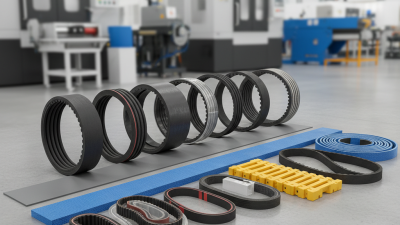
Drive belts are crucial in various industries. They transfer power from motors to machinery, ensuring smooth operations. Different types of drive belts serve specific needs. Understanding these can enhance efficiency and reliability in business processes.
V-belt systems are common in manufacturing. They excel in handling dynamic loads. Their design allows them to grip pulleys tightly, minimizing slippage. However, they can wear out quickly under excessive tension. Proper maintenance is essential. Timing belts, often used in automotive engines, synchronize crucial components. They require precise installation to function correctly. Misalignment can lead to significant failures.
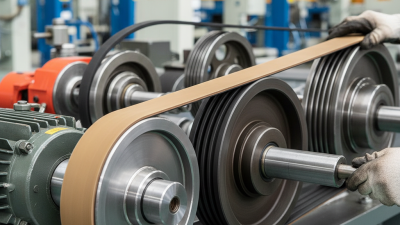
Flat belts are versatile, found in everything from conveyor systems to agricultural machines. Their flat surface offers low friction, making them ideal for light loads. Still, they can slip if not properly tensioned. Regular inspections are necessary to avoid unexpected downtimes. Each type of drive belt has unique advantages and drawbacks, demanding careful selection for optimal performance.
Drive Belts Types and Their Applications in Various Industries
Factors to Consider When Choosing Drive Belts for Your Equipment
Choosing the right drive belts is crucial for efficient machinery performance. Several factors must be evaluated when selecting the right type for your equipment. One key aspect is understanding your operational environment. Consider temperature fluctuations, humidity, and any potential exposure to chemicals. These elements influence material selection and durability.
Another factor is the load capacity of the belts. Ensure that the chosen belts can handle the expected workload without excessive strain. Look into the type of drive system your equipment uses. Variable speeds may require specific belt designs that work best under such conditions. Additionally, think about ease of maintenance. Some belts may wear out faster and require frequent replacements.
It is often tempting to opt for cheaper options, but this can lead to performance issues. Cheap belts may save money initially but can cause downtime later. Reflect on your business's long-term goals and costs. Assess how the right drive belts can enhance productivity. Investing in quality options ultimately pays off through reliability and efficiency, making your equipment perform better.
Why Choose the Right Drive Belts for Your Business Needs? - Factors to Consider When Choosing Drive Belts for Your Equipment
| Factor |
Description |
Importance Level |
| Belt Type |
Different applications require different types of belts (e.g., V-belts, flat belts). |
High |
| Load Capacity |
Ensure the belt can handle the load exerted by equipment and machinery. |
High |
| Environmental Resistance |
Consider exposure to temperature, moisture, or chemical substances. |
Medium |
| Tensioning Mechanism |
Assess if the equipment requires automatic or manual tensioning. |
Medium |
| Durability |
Longevity of the belt in operational conditions affects maintenance costs. |
High |
| Cost |
Budget constraints may influence the choice of belts. |
Medium |
Cost-Benefit Analysis of Investing in the Right Drive Belts for Business Needs
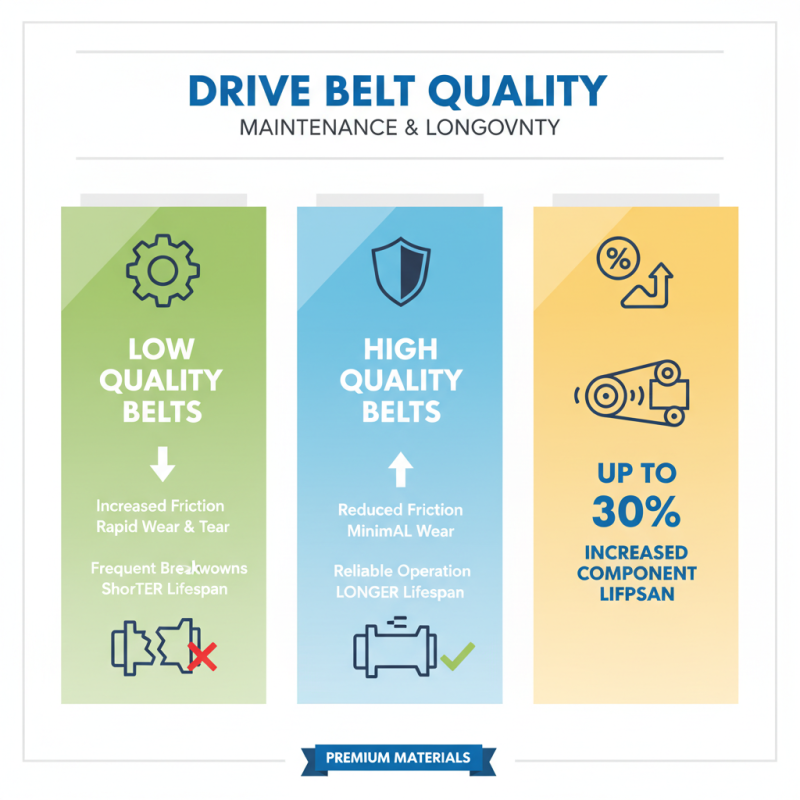
Choosing the right drive belts can significantly impact a business's efficiency and costs. Drive belts are crucial components in machinery. They transfer power and ensure smooth operations. Investing in high-quality belts may seem costly initially. However, the long-term benefits often exceed these costs.
Improper or low-quality belts can lead to frequent breakdowns and maintenance issues. This results in production delays and lost revenue. Businesses might save on upfront expenses, but the hidden costs accumulate quickly. Consider how a single breakdown can shut down an entire production line. Thus, selecting the right belts becomes a strategic decision.
Analyzing the cost-benefit ratio of drive belts is essential. It requires evaluating both direct and indirect expenses. Quality belts generally last longer and perform better. This reduces downtime and repair costs. A comprehensive analysis reveals that investing in reliable products enhances overall productivity. The choice may seem minor, yet it can shape a company's operational landscape.