Top Tips for Sourcing Rubber Drive Belts Worldwide?
Sourcing Rubber Drive Belts globally is a complex yet essential task for many industries. These belts play a crucial role in various machinery, ensuring smooth operation and efficiency. However, the process of finding reliable suppliers can be daunting. It requires an understanding of market dynamics and supplier capabilities.
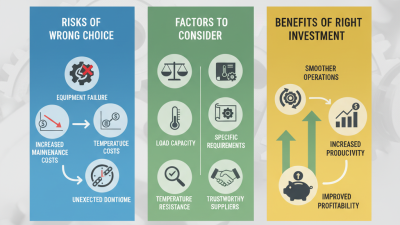
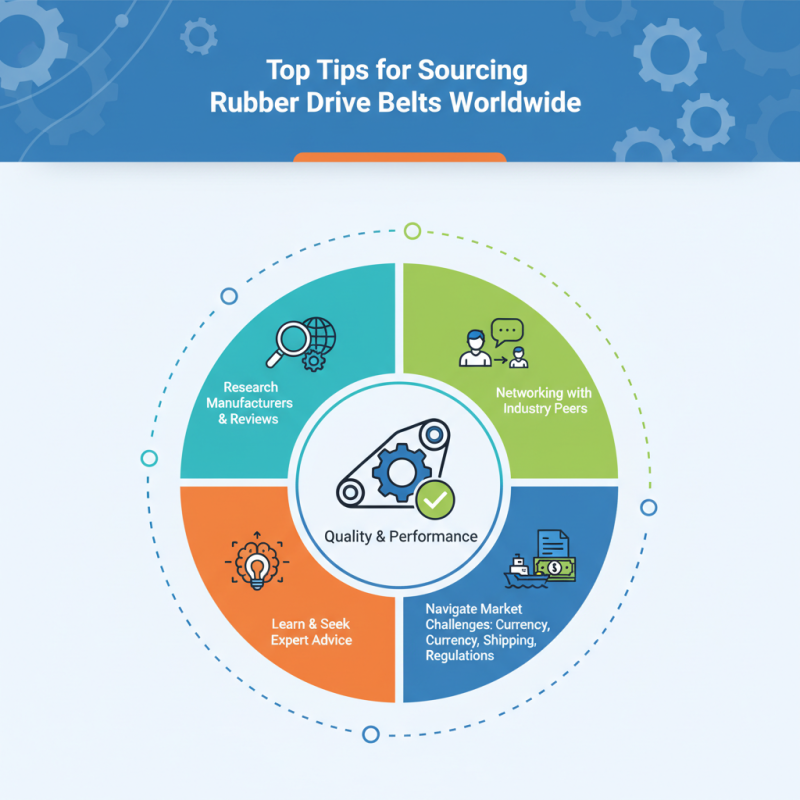
When looking for Rubber Drive Belts, it's vital to consider quality and performance. Some suppliers may offer lower prices, but that sometimes comes at the expense of durability. Researching manufacturers and reading reviews can provide insights into their reliability. Networking with industry peers can also highlight trustworthy sources.
Navigating different markets poses unique challenges. Currency fluctuations, shipping logistics, and varying regulations can complicate sourcing. Reflecting on past sourcing experiences will help refine your approach. Embrace the learning curve, and don't hesitate to seek expert advice. With diligence and attention, sourcing the right Rubber Drive Belts can lead to significant operational benefits.
Understanding the Global Market for Rubber Drive Belts: Key Statistics
The global market for rubber drive belts is diverse and complex. Understanding key statistics can help businesses make informed decisions. In 2022, the rubber drive belt market was valued at approximately $4 billion. Growth is expected to continue, driven by industries such as automotive and manufacturing. Emerging economies are playing a significant role in this expansion.
Countries like China and India are becoming major production hubs. Their growing industrial base increases demand for rubber belts. However, sourcing from these regions can present challenges. Quality control issues may arise due to varying manufacturing standards. Transportation logistics can be another hurdle, leading to delays and increased costs.
Potential buyers should conduct thorough research. Understanding local regulations is crucial for compliance. Building trustworthy relationships with suppliers can help navigate these complexities. Overlooking these factors can result in unexpected issues. Having reliable data and a solid strategy will ultimately benefit sourcing efforts.
Top Tips for Sourcing Rubber Drive Belts Worldwide
| Region |
Market Size (USD Billion) |
Growth Rate (CAGR %) |
Main Application |
Key Material Used |
| North America |
4.5 |
3.2 |
Automotive |
Natural Rubber |
| Europe |
6.0 |
2.8 |
Industrial Machinery |
Synthetic Rubber |
| Asia-Pacific |
8.2 |
4.5 |
Mining |
EPDM |
| Latin America |
2.3 |
3.0 |
Agriculture |
Nitrile Rubber |
| Middle East & Africa |
1.5 |
2.0 |
Construction |
Chloroprene Rubber |
Identifying Reliable Manufacturers and Suppliers in the Rubber Belt Industry
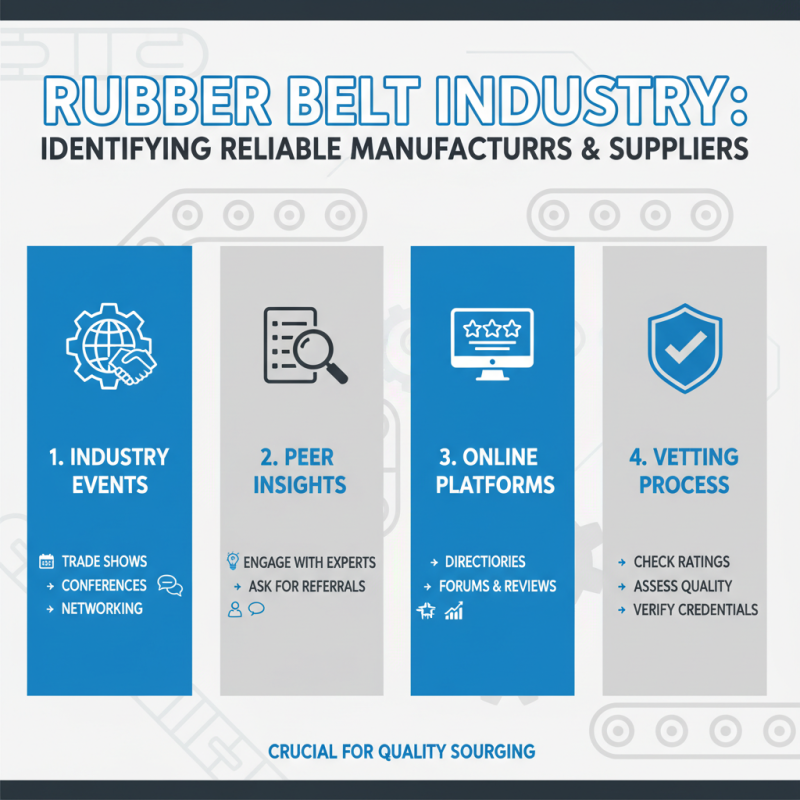
Finding reliable manufacturers and suppliers in the rubber belt industry is crucial for quality sourcing. Begin by researching trade shows and industry conferences. These events often feature numerous manufacturers and provide networking opportunities. Engaging with industry peers can yield valuable insights into reputable suppliers. Online directories and forums also offer reviews and ratings, aiding in the vetting process.
When evaluating potential suppliers, consider their production capabilities and certifications. Assessing their quality control processes can reveal their commitment to excellence. Request samples to test product durability and performance. Be cautious, as not all suppliers meet high standards. Issues may arise from miscommunication or unrealistic expectations, so clear dialogue is essential.
In some instances, partnerships may falter. Supply chain disruptions or fluctuating prices can impact reliability. Flexibility in your sourcing strategy is key. This might mean keeping multiple suppliers on file. Always maintain an open line of communication. Developing relationships fosters trust and responsiveness, which are vital in challenging times.
Evaluating Quality Standards and Specifications for Rubber Drive Belts
When sourcing rubber drive belts worldwide, evaluating quality standards is crucial. Various industries demand specific specifications to ensure functionality and longevity. Recognizing the right certifications, such as ISO or ASTM, can aid in determining reliability. These standards serve as a benchmark for assessing material properties, manufacturing processes, and performance expectations.
Understanding the materials used is essential. Rubber types vary significantly, affecting durability and resistance to environmental factors. Natural rubber offers excellent elasticity, while synthetic options provide enhanced heat resistance. A thorough review of material data sheets can reveal more about the belt’s capabilities. Ask suppliers about their testing methods. This conversation can expose gaps in quality assurance.
Quality control is not always clear. Some manufacturers might skip vital testing phases or use inferior materials. Engaging directly with production teams can highlight their commitment to quality. Researching customer reviews offers additional insights. Sometimes, the best lessons come from shared experiences. Balancing quality with cost can be challenging, but it’s a necessary task for sustainable sourcing.
Assessing Cost Factors and Pricing Trends in Global Rubber Belt Sourcing
When sourcing rubber drive belts globally, understanding cost factors and pricing trends is critical. Prices can fluctuate significantly based on the material quality, manufacturing processes, and supplier location. Many manufacturers in Asia offer competitive pricing due to lower labor costs. However, these savings might come at the expense of quality. Sourcing from reliable suppliers ensures you get the durability you need.
Shipping costs are another vital factor in sourcing. Costs can vary based on the distance and method of transportation. Air freight is faster but pricier, while sea freight is more economical yet slower. Businesses must weigh these options depending on urgency and budget. Additionally, exchange rates can impact overall expenses. Fluctuations may lead to unexpected pricing shifts.
It's crucial to engage in thorough research before making decisions. Gathering multiple quotes can help you better understand the market rates. Be cautious of deals that seem too good to be true; they often are. Analyzing the total cost of ownership helps reflect accurate expenses. Evaluate the trade-offs between price, quality, and reliability to make informed sourcing choices.
Sustainability and Innovations in the Production of Rubber Drive Belts
The production of rubber drive belts is evolving.
Sustainability is a major focus.
In 2022, the global rubber industry produced over 13 million tons. Yet, only a fraction used sustainable materials.
This shows room for improvement.
New innovations are emerging. Companies are exploring bio-based rubber alternatives.
A report from MarketWatch states that the market for eco-friendly rubber is expected to grow by 28% annually.
But challenges remain in sourcing these materials consistently.
Manufacturers are urged to invest in research and development.
They can enhance the longevity of rubber belts while reducing waste.
Transparency in the supply chain is critical.
Understanding the origin of raw materials helps in achieving sustainability goals.
Balancing innovation with ecological responsibility will shape the future of rubber drive belts.