Synchronous Belt Buying Tips for Global Sourcing Success
In the competitive landscape of global sourcing, understanding the intricacies of purchasing a Synchronous Belt is crucial. Industry expert John Harrison emphasizes, "Choosing the right Synchronous Belt can be the difference between success and failure in production." His insight reflects the importance of informed decision-making in this specialized area.
When sourcing Synchronous Belts, businesses must consider various factors. Quality, compatibility, and supplier reliability are paramount. Buyers often overlook these aspects, leading to costly errors. Proper research and evaluation of suppliers can prevent such mistakes.
Moreover, the global market is ever-evolving. Trends shift, and what worked last year may not apply today. Staying informed about innovations in Synchronous Belt technology is essential. This dynamic industry requires buyers to remain vigilant and adaptable to thrive. Recognizing these nuances can lead to more effective sourcing in the long run.

Essential Factors to Consider When Choosing Synchronous Belts
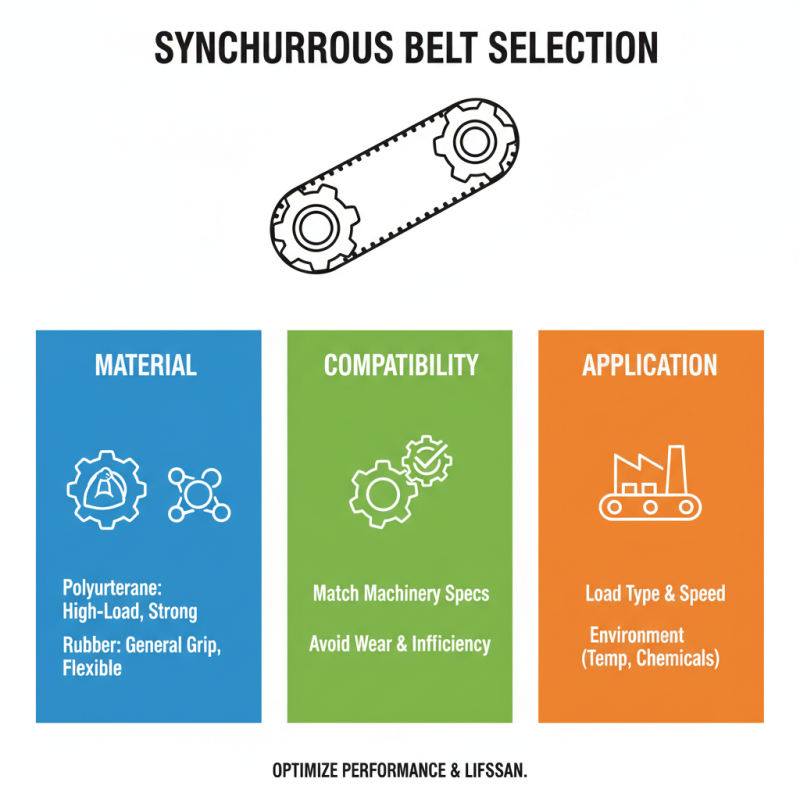
When selecting synchronous belts, several essential factors come into play. The material composition is crucial. Different applications demand varying levels of strength and flexibility. For example, polyurethane belts often excel in high-load environments, while rubber belts offer better grip in general applications. Don’t overlook the belt’s compatibility with your machinery. A mismatch can lead to inefficiencies and premature wear.
Another key factor is the belt size and pitch. Precision is vital in this area. A slight deviation can lead to misalignment, causing noise or failure. Consider your operational environment, too. Is humidity or temperature an issue? These elements can significantly impact performance and longevity. Quality control is equally important. Ensure your supplier has a robust quality assurance process. Inspections should guarantee that each belt meets specifications, reducing the risk of future problems.
Lastly, communication with suppliers can highlight their expertise and reliability. Ask about the manufacturing process and the specific tests each belt undergoes. Knowing this information helps you make informed decisions. While it’s easy to get overwhelmed by options, focusing on these critical factors can improve your sourcing success. Remember, experience and careful research are your best allies in the synchronous belt market.
Understanding Different Types of Synchronous Belts for Your Needs
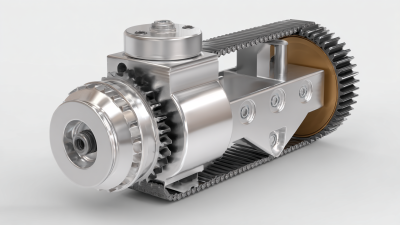
Synchronous belts are crucial in various machinery applications, from automotive engines to industrial equipment. Understanding the different types can enhance your sourcing decisions. For instance, polyurethane synchronous belts are known for their durability and resistance to wear, making them ideal for high-torque applications.
Data from industry reports indicate that the global synchronous belt market is projected to grow at a CAGR of 4.5% through 2025.
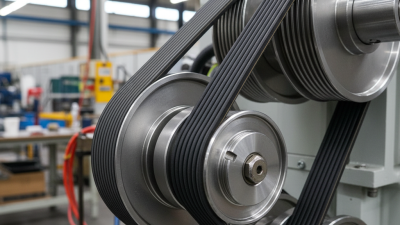
Another type, rubber synchronous belts, offer high flexibility and noise reduction. These belts are typically suited for applications where vibration should be minimized.
According to market analysts, the demand for rubber belts has been steadily increasing due to their reliability and cost-effectiveness.
It’s vital to consider the specific needs of your machinery when selecting a belt type.
However, sourcing the right synchronous belt isn't always straightforward. There are many specifications to evaluate. Factors like tooth design, width, and the number of teeth must align with your operational requirements. A miscalculation in selecting the right belt could lead to inefficiencies or even equipment failure. Reflecting on these challenges is crucial, as the right choice impacts not only performance but also long-term costs and maintenance.
Key Quality Indicators for Synchronous Belt Suppliers
When sourcing synchronous belts, assessing supplier quality is essential. Look for indicators that reflect reliability. A supplier’s production capacity matters. They should have the technology needed for consistent manufacturing. Machinery conditions and workflow efficiency can affect product quality significantly.
Another critical indicator is supplier experience. Companies with a long history often understand the nuances of the market. They can offer better insights into material selection and design variations. Quality control processes should be transparent. Ask about their testing methods and certifications. A reliable supplier should provide proof of meeting industry standards.
Don’t overlook customer reviews. Feedback can reveal a lot about durability and performance. An established supplier will often have testimonials available. Remember to communicate your specific requirements clearly. This ensures that expectations align from the start. However, be prepared for learning curves. Sometimes, what works in theory may not meet your practical needs.
Synchronous Belt Quality Indicators
Strategies for Effective Global Sourcing of Synchronous Belts
When sourcing synchronous belts globally, understanding your options is crucial. Choosing the right supplier can make or break your project. Research suppliers extensively. Look for those with a track record in the industry. Their experience often indicates reliability. Online reviews can provide insights into their service quality, but always cross-check information.
Consider logistics as part of your strategy. Assess shipping methods and potential delays. The fastest option may not always be the most cost-effective. It's essential to balance speed and budget. Establish clear communication channels with suppliers. Miscommunication can lead to costly mistakes. Ensure that all parties understand specifications and deadlines.
Quality control is another critical aspect. Ask for samples before making large orders. Testing these samples helps verify they meet your standards. Visual inspection is just the start; consider performance testing too. Document everything. This will help if disputes arise later. Adapting to feedback and lessons learned will improve future sourcing efforts.
Evaluating Cost vs. Value in Synchronous Belt Purchases
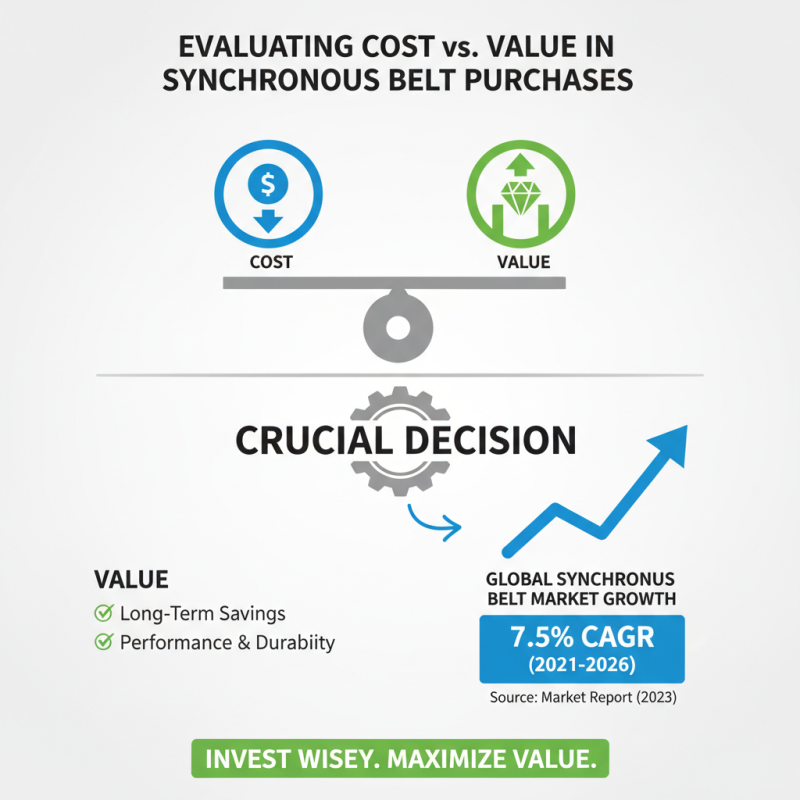
When considering synchronous belt purchases, evaluating cost versus value is crucial. The global synchronous belt market is projected to grow at a CAGR of 7.5% from 2021 to 2026, according to a recent market report. Understanding this growth can help buyers decide where to invest their resources wisely.
Cost is often the first factor in purchasing decisions. Lower-priced belts may seem attractive initially. However, they may not provide the longevity and performance needed for specific applications. A high-quality synchronous belt can lead to reduced maintenance costs. In a study by the Power Transmission Distributors Association, performance-related failures accounted for over 30% of maintenance work. It raises a vital question: how do you perceive value?
Evaluating options requires an understanding of production requirements. Specific applications may demand specialized materials, while others can work with standard options. Buyers should analyze their unique needs before jumping into the cheapest offer. It’s important to reflect on whether that lower upfront cost could be misaligned with long-term operational goals. Value often resides in performance, efficiency, and durability, which are key factors in successful global sourcing.