Why Choose Gearbelt Pulley for Your Industrial Needs?
In today’s industrial landscape, choosing the right components is critical. The Gearbelt Pulley stands out among various options. According to a report by MarketsandMarkets, the global market for pulleys is projected to grow significantly, driven by advancements in manufacturing. Industries increasingly rely on efficient power transmission systems to enhance productivity.
The Gearbelt Pulley is designed for high performance and durability. It provides superior grip and reduces slippage. This feature is essential in applications where precision is paramount. Studies indicate that using high-quality pulleys can increase efficiency by up to 30%. This data underscores the reliability of Gearbelt Pulleys in demanding operational environments.
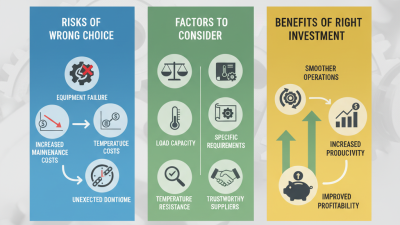
However, not all Gearbelt Pulleys are created equal. Some models may not meet specific industrial standards, leading to potential failures. Companies should conduct thorough evaluations before making a decision. Understanding the factors that influence performance can guide better choices. Overall, Gearbelt Pulleys represent a robust option for modern industry, but caution is advisable when selecting the right product.
Benefits of Gearbelt Pulleys in Industrial Applications
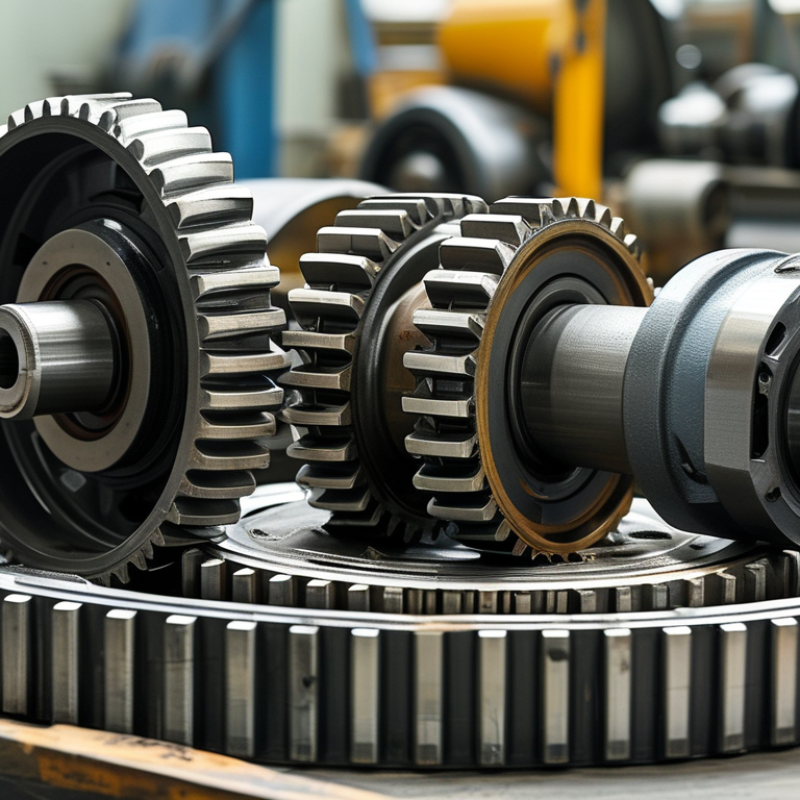
Gearbelt pulleys are becoming essential in various industrial applications. Their unique design enhances power transmission efficiency.
A key benefit is their ability to reduce noise levels during operation. This makes them ideal for environments where sound reduction is crucial.
Moreover, gearbelt pulleys contribute to improved durability. They are built to withstand heavy loads and harsh conditions. This longevity often translates into lower maintenance costs over time.
However, installation and alignment must be carefully considered. Poor installation can lead to reduced performance and potential failures.
Another notable advantage is their flexibility in design. Gearbelt pulleys can be customized to fit specific machinery requirements.
This adaptability can optimize performance in unique setups. Despite these benefits, companies should regularly assess their compatibility with existing systems.
This approach ensures that organizations maximize efficiency and minimize potential downtime.
Material Composition and Durability of Gearbelt Pulleys
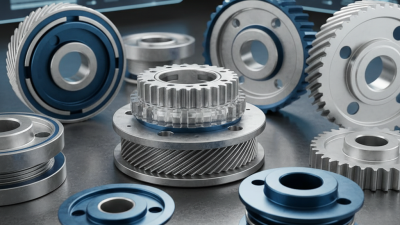
When considering gearbelt pulleys for industrial applications, material composition is crucial. Typically, these pulleys are made from high-quality metals or composite materials. Stainless steel options offer excellent resistance to corrosion, making them suitable for demanding environments. Aluminum, on the other hand, is lightweight and provides ease of installation. Both materials ensure longevity and reduce maintenance costs.
Durability is a vital aspect of gearbelt pulleys. The right material not only affects strength but also impacts performance under stress. In harsh conditions, wear and tear can be significant. Choosing a pulley with superior material properties can enhance reliability and efficiency. However, it's important to remember that even the best materials have limits. Regular inspections and maintenance are necessary to identify potential failures before they occur.
Consider environmental factors too. Extreme temperatures and humidity can affect the performance of materials. While some pulleys function well in varying climates, others may not. It is wise to assess the specific conditions in which the pulley will operate. Understanding these nuances deepens your expertise and informs better decisions for your industrial needs.
Efficiency and Performance Metrics of Gearbelt Pulleys
Gearbelt pulleys are critical components in various industrial applications. Their efficiency directly impacts machinery performance. In many cases, a well-designed gearbelt pulley can significantly improve energy transfer. This results in better operational efficiency and reduced energy consumption.
For optimal performance metrics, consider the material used in your gearbelt pulleys. Different materials offer various benefits, such as weight reduction or increased durability. Always assess the load capacity of the pulley. Overestimating this can lead to premature failure or unexpected downtimes.
Tips: Regularly inspect your gearbelt pulleys for wear and tear. Early detection of issues can save costs and prevent larger problems. When choosing a pulley, prioritize those with superior design features. These may provide better alignment and reduce vibrations. This can lead to an extended lifespan for both the pulley and the connected components. Remember, investing time in research pays off in the long run.
Cost-effectiveness and Longevity of Gearbelt Pulleys
When considering industrial solutions, gearbelt pulleys stand out for their cost-effectiveness and longevity. These components are built to withstand heavy loads and extended use. The robust materials used in their construction contribute to their durability. This means fewer replacements and reduced downtime, translating to significant cost savings over time.
Tips: Regular maintenance can enhance the lifespan of gearbelt pulleys. Inspect them frequently for wear and tear. This proactive approach can prevent larger issues down the road.
Another key advantage is their efficiency. Gearbelt pulleys minimize energy loss, leading to better overall performance in machinery. Proper alignment and tension are crucial for these benefits. Misalignment can lead to premature wear, making it essential to keep them properly adjusted.
Tips: When installing gearbelt pulleys, use the manufacturer's guidelines for alignment. This simple step can improve their effectiveness and reduce maintenance needs.
Why Choose Gearbelt Pulley for Your Industrial Needs?
| Feature |
Gearbelt Pulley |
Alternative Pulleys |
| Cost |
$50 - $100 |
$70 - $150 |
| Lifespan |
10,000 Hours |
5,000 - 8,000 Hours |
| Maintenance |
Low |
Moderate to High |
| Material |
High-grade Aluminum |
Steel, Plastic |
| Weight |
Lightweight |
Heavier |
| Efficiency |
High |
Medium |
Industry-Specific Applications and Use Cases for Gearbelt Pulleys
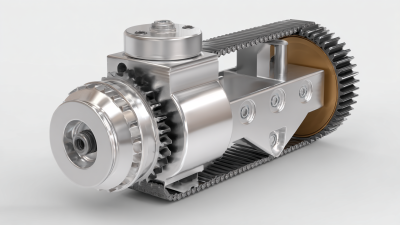
Gearbelt pulleys are pivotal in various industrial applications. They provide efficient power transmission, particularly in manufacturing and machinery setups. These pulleys are designed to handle heavy loads while maintaining precision. Their unique gearing system enhances torque transmission, making them ideal for industries like automotive and textiles.
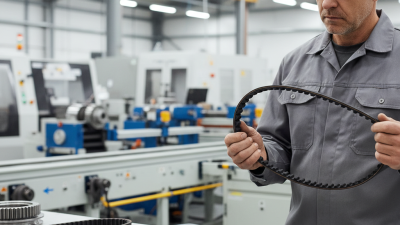
In the automotive sector, gearbelt pulleys enable smooth operation of engines and accessory drives. They can operate under extreme conditions. This reliability is crucial for vehicle performance and safety. In textile manufacturing, these pulleys manage the tension in weaving machines. This helps achieve consistency in fabric production. However, improper installation can lead to wear and tear, requiring careful attention.
The versatility of gearbelt pulleys extends to agricultural equipment as well. They assist in the operation of harvesters and irrigation systems. These machines need reliable parts to function effectively. Engineers must understand the specific requirements of each application to avoid mismatches. Continuous evaluation of performance is necessary for optimal operation. Gearbelt pulleys offer a balance of durability and efficiency, supporting diverse needs across industries.
Gearbelt Pulley Applications in Various Industries