A PU Timing Belt is a precision power-transmission component made from polyurethane and reinforced with tension cords. It transfers motion through molded teeth that engage with matching pulley grooves. Unlike a flat belt, it can maintain synchronized movement without relying mainly on friction.
Dr. Matthias Schmitt, a polyurethane power-transmission specialist, explains: “A timing belt succeeds when tooth geometry, tension, and operating conditions work together.” This principle guides the entire design. The polyurethane body provides flexibility, abrasion resistance, and clean operation. Steel, fiberglass, or aramid cords carry the pulling force. The teeth preserve accurate positioning as the belt moves around each pulley.
Think of a packaging machine running at high speed. Its belt must start, stop, and repeat the same movement within a narrow tolerance. A poorly tensioned belt may skip teeth, create noise, or wear unevenly. Small installation mistakes matter.
Very small errors matter.
This guide explains how a PU Timing Belt works, how its parts share mechanical loads, and where engineers commonly use it. It also considers belt pitch, pulley alignment, temperature, lubrication, and tension. These details are easy to overlook. They should not be.
A PU Timing Belt is not automatically the best choice for every machine. Chemical exposure, heat, shock loading, and limited space can change the decision. Real performance depends on the complete drive system, not the belt alone. That is where practical inspection becomes important, because even a well-designed belt can fail under neglected operating conditions.
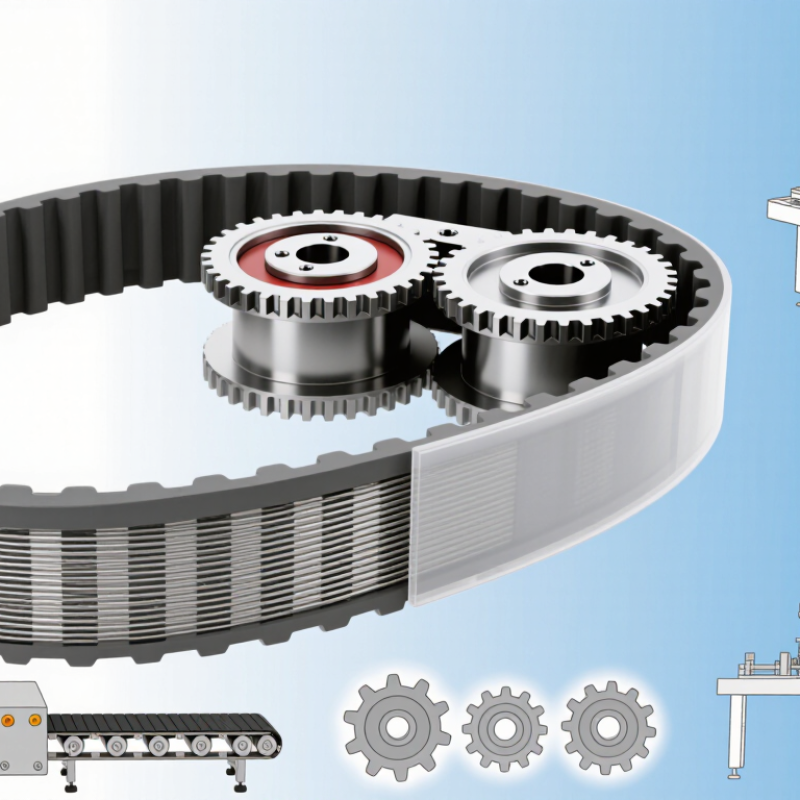
A PU timing belt is a toothed power-transmission belt made mainly from polyurethane. Its teeth fit matching pulley grooves, creating synchronized movement without relying on friction alone. This design supports accurate positioning in conveyors, packaging equipment, and automated machines. Unlike a plain V-belt, it should not normally slip during correct operation.
Material Structure
Its structure has several working layers. The polyurethane body forms the teeth and outer surface, while embedded tensile cords carry the pulling load. Steel cords provide high strength and stable length. Aramid cords offer lower weight and better flexibility in some applications. A nylon fabric may cover the tooth surface, reducing friction and protecting the tooth profile. Material choice affects noise, stretch, bending performance, and service life.
Operation & Inspection
During operation, the pulley teeth enter the belt grooves and leave them continuously. The cords resist elongation, while the polyurethane teeth transfer torque. In practical inspections, worn tooth edges, cracked surfaces, or loose tension can indicate alignment or load problems. Temperature and chemical exposure also matter. Polyurethane performs well in many industrial conditions, but it is not immune to heat, oil, or abrasive dust. A common mistake is selecting a belt by width alone. Tooth pitch, cord type, pulley diameter, tension, and operating speed must match the machine. Even careful specifications can miss real installation conditions.
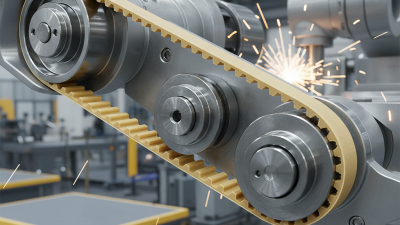
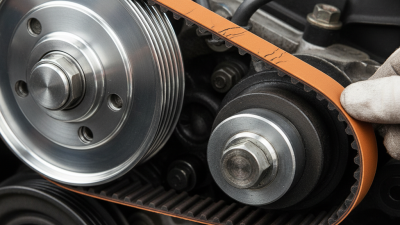
A PU timing belt transfers motion through synchronized teeth, not friction alone. Its polyurethane body carries embedded tensile cords, while molded teeth engage matching pulley grooves. When the driving pulley turns, each tooth pushes the next groove forward. The driven pulley follows at the same angular position. This positive engagement prevents normal belt slip and preserves repeatable timing.
Tooth pitch controls the relationship between pulley rotation and linear travel. A larger pulley moves the belt farther per revolution. Tension keeps the teeth seated, while correct alignment limits edge wear and noise. ISO 13050:2022 provides dimensional guidance for synchronous belt drives, including tooth profiles and pitch systems. Small errors matter. Excessive preload can damage bearings, yet loose tension may cause tooth jumping during acceleration.
The U.S. Department of Energy has estimated that motor-driven systems consume about 23% of U.S. electricity. That figure explains why efficient power transmission deserves careful attention. Engineering references often report synchronous belt efficiencies around 95% to 98% under suitable conditions. I would not treat 98% as a promise. Load, temperature, pulley size, contamination, and installation quality can reduce it. A 2023 industrial transmission market analysis also identifies automation and precise motion control as major demand drivers. PU belts fit these applications because their teeth maintain repeatable indexing without routine lubrication. Still, real machines are less tidy than laboratory tests. A worn flange or slight shaft misalignment can quietly change performance.
What Is a PU Timing Belt and How Does It Work?
Key Types and Common Design Features of PU Timing Belts
A PU timing belt uses molded teeth to transmit motion without significant slipping. Those teeth engage matching pulley grooves. Unlike friction belts, it maintains a fixed speed relationship between the driving and driven shafts. The belt usually combines polyurethane with embedded tension cords. Polyurethane resists abrasion, moisture, and many oils. It is not invincible. Excessive heat, sharp debris, or poor tension can shorten its service life.
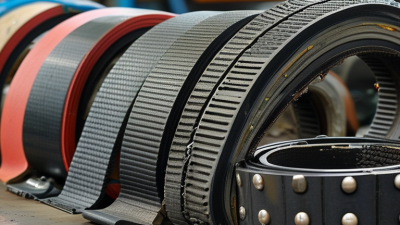
Designers commonly choose trapezoidal or curvilinear tooth profiles. Trapezoidal teeth support reliable general-purpose transmission. Curvilinear teeth distribute load more smoothly during demanding movement. Open-ended belts suit linear positioning systems and can be cut to length. Endless belts work well in conveyors and compact drive systems. Welded belts offer custom lengths, although the joint needs careful inspection.
Several design features affect performance. Steel cords provide strong dimensional stability for high loads. Aramid cords reduce weight and may suit faster acceleration. Guide teeth or flanges help prevent sideways movement. Backings can be smooth, textured, or coated for better product handling. Tooth pitch, belt width, pulley diameter, and installation tension must match closely. Field checks often reveal a simple problem: the belt was selected correctly, but aligned poorly. A belt may look clean while carrying hidden cord damage. That detail is easy to miss. Temperature, dust, and repeated shock deserve practical testing, not assumptions.
A PU timing belt uses a polyurethane body with embedded tensile cords. Its molded teeth engage matching pulley grooves without slipping. This positive drive keeps shafts synchronized during repeated motion. In a packaging machine, one tooth can move a product several millimeters out of position. That small error may damage alignment or reduce output.
The main advantage is clean, precise transmission. Polyurethane resists abrasion, oils, and many cleaning chemicals. It also operates quietly and needs little lubrication. Steel or aramid cords can provide high tensile strength, while the flexible body handles moderate bending. These properties suit conveyors, labeling systems, textile equipment, and automated assembly lines. Clear versions can also help operators inspect product movement.
Excessive heat can soften the belt, while cold temperatures may reduce flexibility. Sharp pulley edges, poor tension, or incorrect alignment can cause tooth wear. Heavy shock loads may damage the cords even when the teeth look acceptable. In wet processing areas, chemical compatibility should be checked rather than assumed.
I would measure belt tension after installation and inspect tooth flanks for polishing or cracking. That extra check takes minutes. It can prevent a longer stoppage.
One practical weakness is often overlooked: a belt selected for speed may not suit the actual load. Performance data should be verified against operating temperature, torque, pulley size, and duty cycle.
A PU timing belt uses molded polyurethane teeth and internal tension cords. The teeth engage matching pulley grooves, transferring motion without normal slip. Selection begins with load, speed, center distance, and operating temperature. Check the belt pitch, tooth profile, width, and cord material carefully. A belt may fit the pulley yet fail under shock loads. Chemical exposure, oil, dust, and moisture also affect service life.
Installation requires clean pulleys and accurate alignment. Release drive tension before fitting the belt. Never twist it sharply or force it over a pulley with a screwdriver. That can damage the cords beneath the polyurethane. Set tension according to the equipment maker’s engineering data, not by feel alone. Rotate the system by hand and inspect tooth engagement before applying power. A small alignment error can create noticeable edge wear within hours.
Maintenance should include regular checks for tooth wear, frayed edges, surface cuts, contamination, and unusual noise. Watch for belt tracking toward one flange. It often signals misalignment or uneven tension. Recheck tension after initial running, because seating and adjustment can change. Replace the belt when teeth deform, cords become visible, or accurate motion is no longer maintained. Even experienced technicians can overlook pulley wear. The belt may be new, but the pulley may not be. Record inspection dates and operating conditions; this makes future decisions more reliable.