Why Choose the Right PU Timing Belt for Your Needs?
Choosing the right PU Timing Belt is crucial for machinery performance. John Smith, a renowned expert in industrial belts, once stated, "Selecting the correct PU Timing Belt can significantly enhance operational efficiency." This insight underlines the importance of making informed choices.
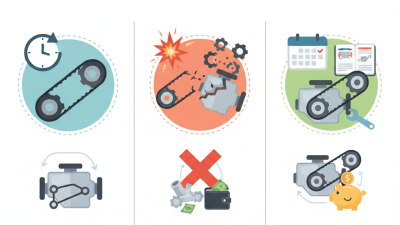
PU Timing Belts are used in various applications, from automotive to automation industries. Their durability and performance depend on material quality and design. Choosing the wrong belt can lead to malfunctions, downtime, and increased costs.
It's essential to consider specific requirements. Factors such as load capacity, speed, and environmental conditions must be assessed. Companies often overlook these details, leading to regrettable decisions. A thorough analysis can prevent future issues and ensure optimal performance.
Understanding PU Timing Belts: Definition and Composition
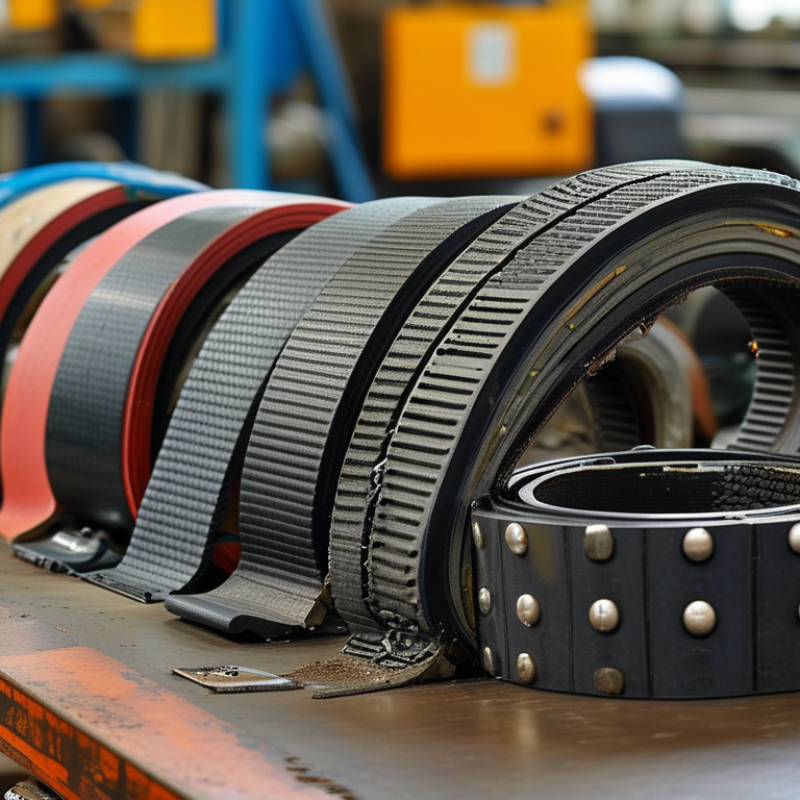
PU timing belts, or polyurethane timing belts, are essential components in many mechanical systems. They ensure precise timing between rotating parts. Their composition typically includes a high degree of polyurethane, which enhances durability and resistance to wear. This elastic material allows for flexibility, adapting to various tension and load requirements. In many applications, the right belt can mean the difference between smooth operation and unexpected failures.
When considering PU timing belts, it is crucial to understand their unique properties. This type of belt provides heat resistance and low friction. Its advantages in high-performance settings are clear. However, not all PU belts are created equal. Certain applications might call for specific thicknesses or tooth designs. Thus, selecting the right belt isn’t always straightforward. Miscalculations can lead to inefficiencies or increased maintenance time.
Thinking about your specific needs is vital. It’s essential to test different options to see what works best. Sometimes, a standard size may not provide optimal performance. Paying attention to details can improve longevity and efficiency. In some scenarios, trial and error might lead to better outcomes. This approach can reveal the ideal timing belt for your unique environment and demands.
Key Factors to Consider When Selecting a PU Timing Belt
When selecting a PU timing belt, several key factors come into play. First, consider the environment in which the belt will operate. Factors like temperature, humidity, and exposure to chemicals can greatly affect belt performance. It’s essential to assess whether the timing belt can withstand these conditions without degrading quickly.
Next, think about the load it will bear. Different applications have varying load demands. A belt that is too weak may fail prematurely, leading to costly downtime. Evaluate the power transmission requirements carefully. It's also worth considering the tension required for operation. Insufficient or excessive tension can cause issues with performance and longevity.
Finally, analyze the durability and wear characteristics of the belt material. PU belts are known for their resilience, but not all are created equal. Some might show signs of wear sooner than expected. Identifying the best fit for your specific use case can take time. Don't rush the selection process. Reflect on past experiences and gather insights to help make informed choices.
Advantages of Using the Right PU Timing Belt for Your System
Choosing the right PU timing belt can significantly enhance your system's performance. PU timing belts are known for their strength and durability. They are ideal for precisely timed movements, making them essential in various mechanical applications. When you select the appropriate belt, you reduce wear and tear on other system components. This decision can lead to fewer repairs and lower maintenance costs over time.
The advantages of using the right PU timing belt extend beyond immediate performance. A well-chosen belt improves efficiency, leading to energy savings. In industrial settings, this can translate into substantial cost reductions. Additionally, a compatible timing belt will reduce noise and vibrations, creating a more pleasant working environment. However, many overlook the importance of proper tension and alignment. Improper installation can negate these benefits and cause premature failure.
Incompatibility issues can arise if the timing belt is not suited to the specific application. This misalignment can lead to system inefficiencies. It may also cause unexpected downtime, which can be costly in a production setting. Therefore, thorough research and attention to detail are vital when selecting a PU timing belt. Making an informed choice can pave the way for long-term success and reliability in your operations.
Common Applications of PU Timing Belts in Various Industries
PU timing belts have become increasingly popular in various industries due to their durability and efficiency. They are commonly used in automation applications, including assembly lines and conveyor systems. These belts excel in high-speed environments, where precision and reliability are critical.
In the automotive sector, PU timing belts are essential for power transmission. They ensure that the timing between the engine's camshaft and crankshaft is precise. This accuracy is vital for optimal engine performance. Additionally, their resistance to wear and environmental factors makes them a preferred choice for many engine designs.
In the food processing industry, PU belts are often used for conveying products. Their smooth surface minimizes product damage during transport. They are also resistant to various chemicals. This characteristic makes them suitable for environments where hygiene is paramount. However, some industries face challenges with compatibility and lifespan. It's crucial to evaluate performance based on specific operational conditions.
Maintenance Tips for Ensuring Longevity of PU Timing Belts
Choosing the right PU timing belt is essential for various mechanical applications. To ensure longevity, proper maintenance plays a crucial role. Regular inspection of the belt for wear and tear can prevent unexpected breakdowns. Look for cracks, fraying, or unusual surface wear. Addressing these issues early can save time and resources.
Cleaning the timing belt is another important practice. Dust and debris can accumulate on the belt, affecting its performance. Wiping the surface gently with a damp cloth helps maintain its condition. Additionally, it's essential to check the tension periodically. A belt that is too loose or too tight can lead to premature failure. Adjustments should be made according to manufacturer guidelines.
Temperature extremes can also impact the life of a PU timing belt. It’s wise to keep the equipment in a controlled environment when possible. Consider the operating environment and make necessary adjustments. Regular lubrication may also be beneficial, but avoid over-lubrication. Each of these practices contributes to maintaining the timing belt’s reliability and performance. However, even with careful maintenance, it’s vital to remain vigilant for signs of deterioration. Continuous learning and adaptation in maintenance methods can lead to better outcomes.