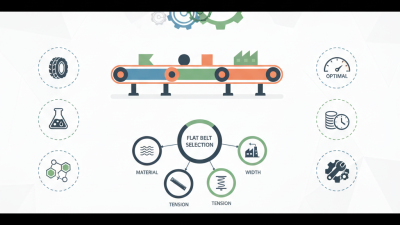
How to Choose the Right PU Timing Belt for Your Needs?
Choosing the right PU timing belt is vital for various applications in industries such as automotive and manufacturing. According to recent industry reports, the demand for high-performance timing belts is projected to grow by 5% annually through 2028. PU timing belts, known for their durability and flexibility, are pivotal in ensuring the efficiency of machinery.
When selecting a PU timing belt, one must consider factors like load capacity, timing precision, and environmental conditions. The right choice can enhance productivity and reduce maintenance costs significantly. However, many users overlook specific characteristics, leading to suboptimal performance. For example, mismatched belt specifications can result in premature wear.
The timing belt selection process can be complex. Inadequate information may lead to costly mistakes. Inconsistencies in manufacturing can also be a concern. Understanding the nuances of PU timing belts is essential to avoid potential pitfalls and ensure longevity in your operations.
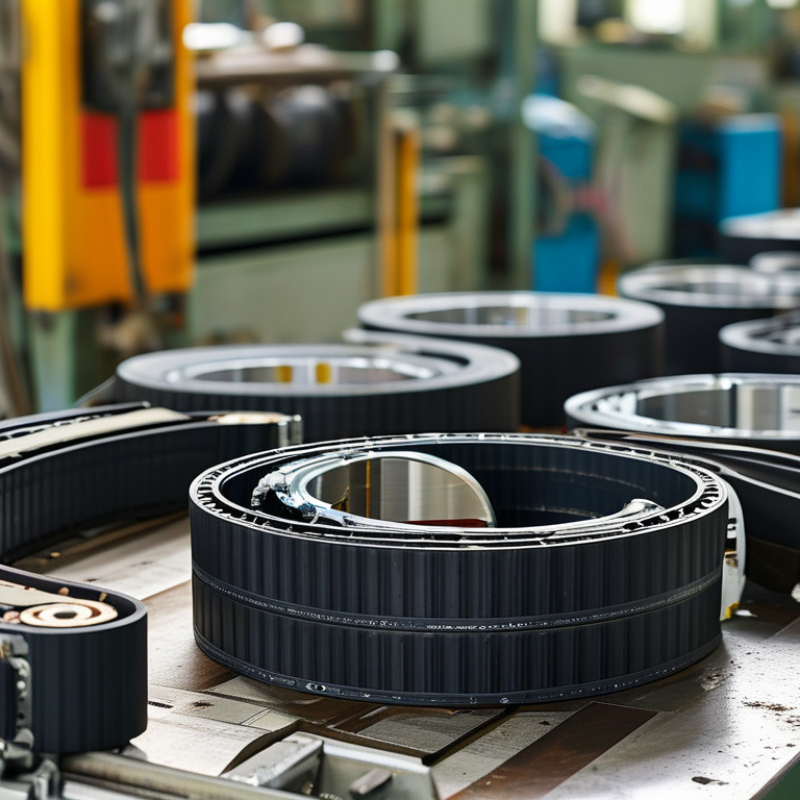
Understanding the Basics of PU Timing Belts and Their Applications
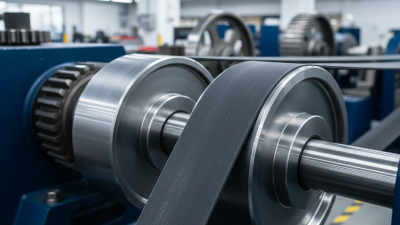
PU timing belts play a crucial role in various mechanical applications. These belts offer high elasticity and durability, making them suitable for dynamic environments. According to a report by Technavio, the global industrial timing belt market is expected to grow by 4.5% annually through 2025. This growth reflects the increasing demand for efficient power transmission solutions across industries.
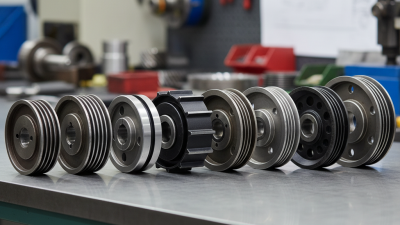
Understanding the basics of PU timing belts is vital for selecting the right one. They come in different profiles and sizes, which affects their performance. For instance, a wider belt can distribute load better, reducing wear. However, selecting the wrong size may lead to slippage or premature failure. Many industries report that misaligned or improperly tensioned belts can cause a decrease in efficiency by up to 25%. This highlights the importance of accurate measurements and expert installation.
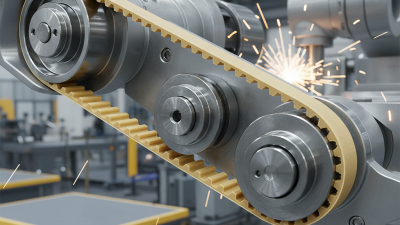
Applications of PU timing belts span across sectors, from automotive to food processing. In automotive engines, they synchronize camshaft and crankshaft movements, crucial for engine performance. In food processing, they must meet strict hygiene standards. Despite their advantages, challenges arise in specific environments. For instance, exposure to oils or high temperatures can degrade the material faster than expected. Users should consider all factors, including environmental conditions, to ensure optimal performance and longevity.
Key Factors to Consider When Selecting a PU Timing Belt
Choosing the right PU timing belt requires careful consideration of several key factors. Material quality is critical. Polyurethane (PU) belts are known for their durability and resistance to wear. According to industry reports, high-quality PU belts can last up to 30% longer than lower-quality options. This can lead to less frequent replacements and reduced maintenance costs over time.
Another essential factor is load capacity. It's crucial to match the timing belt’s load rating to your specific application. If a belt is overburdened, it may fail prematurely. Studies show that a mismatch in load capacity accounts for approximately 45% of timing belt failures. Thus, always check the specifications provided by manufacturers before making a selection.
Finally, consider the operating environment. Factors like temperature, moisture, and exposure to chemicals play a role in performance. For instance, belts operating in high-temperature areas can degrade faster than those in moderate climates. Some reports suggest that working conditions can cut the lifespan of belts by up to 50%. Thoroughly assessing your environment will help you make a more informed decision.
How to Choose the Right PU Timing Belt for Your Needs? - Key Factors to Consider When Selecting a PU Timing Belt
| Key Factor |
Description |
Considerations |
| Material Quality |
The composition of the PU material affects durability and performance. |
Look for high-grade PU that withstands wear and tear. |
| Belt Width |
Wider belts can handle heavier loads and provide better grip. |
Select the width based on load requirements and space availability. |
| Tooth Profile |
The shape and design of the teeth influence power transmission efficiency. |
Choose a profile matching the drive sprockets for better engagement. |
| Pitch |
The distance between teeth affects compatibility with pulleys. |
Ensure pitch matches your application’s specifications. |
| Temperature Resistance |
Belt performance can be affected by extreme temperatures. |
Select belts rated for the environment they will operate in. |
| Flexibility |
Belt flexibility affects the ability to adapt to various alignments. |
Choose more flexible options for complex routing applications. |
| Load Capacity |
The maximum load the belt can support without failure. |
Calculate load requirements before selecting a belt. |
| Length |
Accurate length is crucial for proper installation and function. |
Measure the application correctly for the right fit. |
Evaluating the Material and Durability of PU Timing Belts
When selecting a PU timing belt, material and durability are critical factors. The core material of PU belts often involves polyether or polyester. Polyether belts usually exhibit better hydrolysis resistance. On the other hand, polyester alternatives excel in tensile strength and wear resistance. According to a report by the American Society of Mechanical Engineers (ASME), using the right material can enhance durability by over 20%.
Tips: Assess operational conditions first. Factors like temperature, moisture, and exposure to chemicals can significantly impact belt lifespan.
Durability hinges not only on material but also on manufacturing quality. High-quality PU timing belts can withstand high loads and maintain performance under stress. Industry data suggests that belts with reinforced fibers show a 30% increase in longevity. However, some manufacturers may compromise quality for cost, leading to early failures. Regular maintenance and inspections can help identify potential issues before they lead to significant downtime.
Tips: Check for wear and proper tension periodically. Invest in tools that can pinpoint misalignment or uneven wear early on.
Sizing and Compatibility: Ensuring the Right Fit for Your Equipment
Choosing the right PU timing belt starts with understanding sizing and compatibility. It is crucial to measure your existing belt accurately. This includes length, width, and tooth pitch. An ill-fitting belt can lead to inefficiencies and increased wear. Make sure to have precise measurements before purchasing.
Compatibility goes beyond size. Check the specifications of your equipment. Different machines may require specific types or materials of belts. If you’re unsure, consult with a professional for guidance. They can help you find the ideal match based on your equipment's demands. Remember, the right fit is essential for optimal performance and longevity.
Sometimes, even the best measurements don’t guarantee a perfect match. In such cases, it's wise to test the new belt before full implementation. Look for any unusual sounds or misalignments during initial runs. These details often reveal whether the belt is fitting correctly. Noticing small issues early can save larger problems later.
Maintenance Tips for Prolonging the Life of PU Timing Belts
PU timing belts are essential in various applications, from automotive engines to industrial machinery. Regular maintenance can significantly prolong their lifespan. To enhance durability, monitor the operating environment. High temperatures or excessive moisture can accelerate wear. A study from the Institute of Mechanical Engineering shows that belts operating in harsh conditions wear out 30% faster than those in moderate conditions.
Routine inspections are crucial. Check for signs of wear, such as fraying or cracking. Early detection of issues can prevent costly replacements. A report by the International Rubber Study Group suggests that nearly 25% of timing belt failures result from neglecting maintenance. Keeping belts clean is also important. Dirt accumulation can cause premature damage to the belt surface.
Proper tensioning is another key aspect of maintenance. A belt that is too tight can wear out bearings and pulleys. Conversely, a loose belt can slip and cause timing issues. Testing tension regularly ensures optimal performance. According to research from the Material Science Institute, a well-maintained belt can last up to 50% longer than a neglected one. These practices not only save time and resources but also improve overall system efficiency.
Choosing the Right PU Timing Belt: Key Factors for Maintenance