Top 10 Belt Pulleys You Need for Your Business in 2026?
In today’s competitive manufacturing landscape, selecting the right Belt Pulleys is crucial. According to a recent market report by Grand View Research, the global belt pulley market is expected to reach $3.5 billion by 2026, growing at a CAGR of 4.2%. This growth reflects the increasing demand for efficient power transmission components across various industries.
As businesses look to improve operational efficiency, the choice of Belt Pulleys plays a pivotal role. High-quality pulleys can optimize machinery performance and reduce downtime. However, not all Belt Pulleys meet the same standards of durability and reliability. Companies must evaluate their suppliers carefully to avoid costly mistakes.
The right Belt Pulleys not only enhance performance but also contribute to sustainability goals. In an era focused on reducing waste and energy consumption, selecting the most efficient options makes a significant impact. Therefore, understanding the market and knowing which products to choose is essential for success in 2026 and beyond.
The Importance of Belt Pulleys in Modern Business Operations
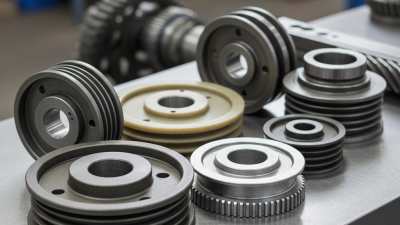
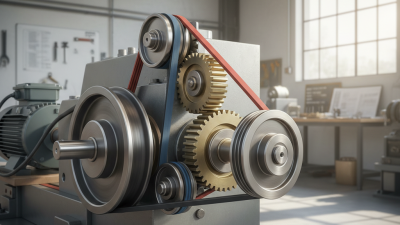
Belt pulleys play a crucial role in modern business operations. They are essential components for machinery and conveyor systems. Properly functioning pulleys ensure efficient power transmission and material movement. Businesses rely on these tools to enhance productivity and reduce downtime.
Installing high-quality belt pulleys can significantly impact operational efficiency. A worn-out pulley may lead to slippage and increased wear on belts. This not only disrupts workflow but also incurs additional costs. Regular maintenance and timely replacement are vital for optimal performance.
Moreover, many organizations overlook the importance of selecting the right pulleys. Not all pulleys fit every application. Customization is sometimes necessary to meet specific operational needs. An ill-fitting pulley can make tasks harder than they need to be. Therefore, businesses should invest time in understanding the requirements and specifications of their machinery.
Top 10 Belt Pulleys You Need for Your Business in 2026
| Type of Pulley |
Material |
Diameter (mm) |
Load Capacity (kg) |
Applications |
| Standard Pulley |
Steel |
100 |
500 |
Conveyor Systems |
| Variable Diameter Pulley |
Aluminum |
80 |
300 |
Agricultural Machinery |
| High-Speed Pulley |
Carbon Fiber |
50 |
200 |
Industrial Equipment |
| V-Belt Pulley |
Cast Iron |
120 |
600 |
Motors and Drives |
| Flat Pulley |
Plastic |
70 |
150 |
Textile Industry |
| Adjustable Pulley |
Bronze |
90 |
400 |
Construction Machines |
| Timing Pulley |
Nylon |
60 |
250 |
Automotive Applications |
| Synchronous Pulley |
Steel |
100 |
550 |
Robotics |
| Micro Pulley |
Aluminum |
40 |
100 |
Small Machinery |
Key Features to Look for in High-Quality Belt Pulleys
When selecting high-quality belt pulleys for your business, consider several key features. Material choice matters significantly. Look for pulleys made from durable metals or high-grade plastics. This ensures longevity even under constant stress. A well-made pulley will save you money in replacement costs over time.
Another crucial aspect is the precise machining of the pulley. This affects performance and efficiency. Ensure that the pulley is balanced correctly. An unbalanced pulley can lead to vibrations and premature wear. Maintenance can become a hassle if not addressed early.
Tip: Regularly check for signs of wear. Small issues can escalate quickly, leading to more significant problems down the line. Pay attention to any unusual noises during operation.
Additionally, rollover design is essential. A pulley with a smooth transition can minimize wear on the belt. Look for features that enhance alignment as well. Misalignment can reduce lifespan and efficiency.
Tip: Invest in alignment tools if needed. It might help avoid costly disruptions in the future. Keeping workspace organized also contributes to better maintenance routines.
Top 10 Belt Pulley Brands Leading the Market in 2026
With the growing demand for efficient machinery in various industries, selecting the right belt pulley brands is crucial. Several brands consistently lead the market, known for their reliable performance and durability. These brands prioritize quality control. They use advanced materials to enhance their pulleys' lifespan and efficiency.
Understanding the nuances of belt pulleys can be challenging. Each brand offers distinct features that cater to specific business needs. Some focus on lightweight designs, while others emphasize heavy-duty applications. Furthermore, the range of sizes available can accommodate various machinery types. It’s essential to match the right pulley with your equipment to avoid unnecessary failures.
Market leaders often invest in research and development. This commitment helps them stay ahead. However, not all brands may focus equally on customer support. It’s wise to consider the level of service provided alongside the product quality. Checking user reviews can reveal the real-world performance of these pulleys. Finding a balance between product reliability and customer care is vital.
Top 10 Belt Pulleys Market Share in 2026
This chart represents the estimated market share percentages of the top 10 belt pulley types in 2026. Each type reflects a strategic position in the industry, indicating the competitive landscape among various products.
Comparative Analysis of Belt Pulleys: Material and Design Choices
Selecting the right belt pulleys is crucial for business efficiency. Material choice directly affects durability and performance. Common materials include aluminum, steel, and plastic. Aluminum pulleys weigh less and resist corrosion, making them ideal for lightweight applications. Steel pulleys offer higher strength but are heavier, affecting overall system dynamics.
Design also plays a pivotal role. The pulley’s profile can influence torque and speed distribution. A properly designed pulley ensures optimal power transmission. A study from the International Journal of Mechanical Engineering highlights that poorly designed pulleys can lead to a 20% increase in energy loss. Thus, investing in well-engineered solutions is essential.
Industry reports suggest that the demand for lightweight and high-strength materials will grow in 2026. Businesses must reflect on their current setups. Are existing pulleys causing excessive wear? Could they be hindering operational efficiency? Addressing these questions can enhance productivity in the long run.
Future Trends in Belt Pulley Technology and Their Impact on Businesses
The landscape of belt pulley technology is evolving rapidly. In 2026, we can expect features like enhanced materials for increased durability and efficiency. Manufacturing processes will also improve, focusing on sustainability. Companies will prioritize innovative designs to reduce friction and energy consumption.
Advanced automation is set to take center stage in the industry. Companies adapting to smart technologies and IoT integration stand to gain a competitive edge. These trends will lead to better performance and reduced operational costs. However, businesses must remain vigilant about choosing the right tech for their operations, as poorly implemented solutions could hinder productivity.
As the demand for customized solutions rises, the challenge will be to balance quality and cost. Not all suppliers will meet these new standards. Evaluating suppliers and their technologies will become crucial. The shift towards high-quality belt pulleys may involve a learning curve for many businesses. Embracing change in this sector might not be easy, but it is necessary for future growth.