China Best Pu Timing Belt Supplier for Global Buyers?
China has emerged as a leading supplier of PU timing belts in the global market. The demand for these belts is driven by their durability and versatility. Many industries rely on PU timing belts for their efficiency in power transmission.
With numerous manufacturers, selecting the right supplier can be challenging for buyers. It’s essential to consider quality, production capabilities, and customer service. Transparency in sourcing materials is crucial. Buyers often question if they receive the best value for their investment.
China's reputation for manufacturing technology is significant. However, not all suppliers meet international standards. Buyers must thoroughly evaluate their options. Understanding the nuances of PU timing belts helps in making informed decisions. The journey to find a reliable supplier involves research and consideration of various factors, ensuring a fruitful partnership in the long run.
China's Dominance in the PU Timing Belt Market
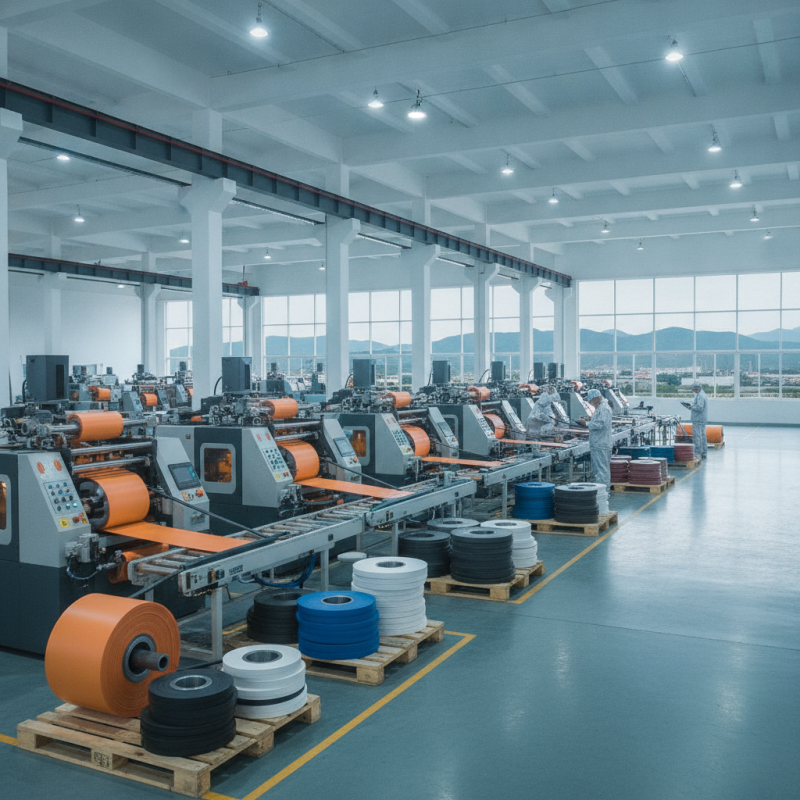
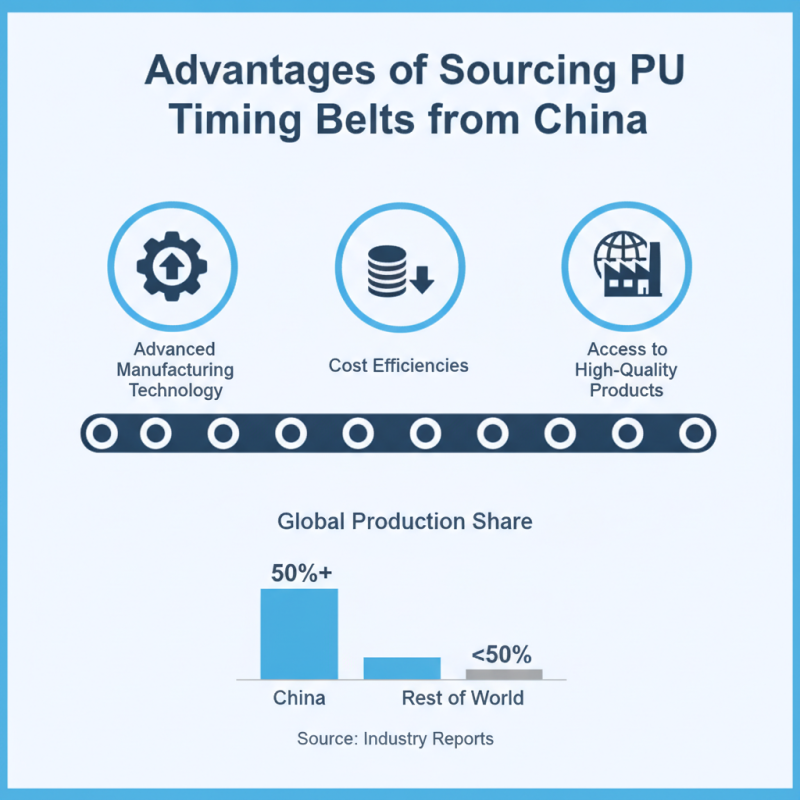
China has established itself as a leading player in the PU timing belt market, capturing a significant share globally. Various reports indicate that China accounts for over 50% of the global PU timing belt production. This dominance is driven by advanced manufacturing techniques and a robust supply chain. The sector is characterized by strong competition, contributing to lower prices and improved product quality.
Recent studies show a rising demand for PU timing belts in various industries, such as automotive and industrial machinery. For example, more than 70% of manufacturers in these sectors prefer PU timing belts due to their durability and efficiency. Despite this growth, challenges remain. Some manufacturers struggle with quality control. The lack of stringent regulations can lead to inconsistencies in product performance. They must continuously invest in technology and materials to maintain their competitive edge.
Moreover, as the market expands, the environmental impact of production practices is under scrutiny. Many suppliers are required to adapt to sustainable practices. Such changes, while essential, can introduce additional costs. Therefore, the future of the PU timing belt market in China hinges on balancing quality, sustainability, and cost-effectiveness.
Key Characteristics of High-Quality PU Timing Belts
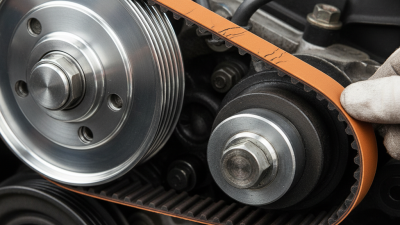
When selecting high-quality polyurethane (PU) timing belts, several key characteristics stand out. A reliable PU timing belt is flexible yet durable. Its construction often includes high tensile strength to resist wear during operation. The surface should be smooth to ensure efficient movement. Additionally, resistance to oil and chemicals is essential for longevity.
Another crucial aspect is the belt's tooth design. Precise tooth profiles contribute to effective engagement with pulleys. This feature minimizes slippage and enhances power transfer. Sizing and thickness also matter; belts that are too thin may stretch, while overly thick belts can create friction. Finding the right balance is vital for performance.
Purchasing from the right supplier ensures access to belts that meet these criteria. Researching the manufacturing process can reveal insights into quality standards. A reputable supplier will have a track record of reliability and customer satisfaction. Real-world testing of products can also validate performance claims, making it easier for buyers to make informed choices.
Factors to Consider When Choosing a PU Timing Belt Supplier
Choosing the right PU timing belt supplier is crucial for any business. The right choice can enhance production efficiency and reduce maintenance costs. Numerous factors can influence this decision.
Quality is paramount. A reliable supplier should provide belts that meet industry standards. Look for certifications and test reports that back their claims. Don’t hesitate to ask about material sourcing and manufacturing processes. This information reflects their commitment to quality.
Price is another significant factor. While it can be tempting to go for the cheapest option, remember that low prices sometimes equate to lower quality. Evaluate the overall value, including warranty and after-sales support. It’s essential to balance cost with reliability and performance.
**Tip:** Always request samples before making bulk orders. This step helps in assessing quality firsthand.
Experience counts too. A supplier with a track record often brings valuable insights. They should be able to advise on the best products for your specific needs. However, don't overlook new suppliers. They might offer innovative solutions and competitive pricing.
**Tip:** Read reviews and case studies. Real feedback can unveil insights about a supplier’s performance and reliability.
Establish communication early. Clear dialogues about requirements and expectations play a critical role. It can help prevent misunderstandings later in the process. Seek transparency and openness during this stage for better collaboration.
Future Trends in the Global PU Timing Belt Industry
The global PU timing belt industry is poised for significant evolution. Market research indicates a steady growth rate of approximately 4.2% annually. This trajectory suggests increased demand for durable and efficient timing belts. Manufacturers are expanding operations to cater to various sectors, including automotive and industrial machinery. A projected market value of $1.2 billion by 2026 underscores the industry's potential.
Sustainability is emerging as a critical trend. As environmental concerns rise, producers are seeking eco-friendly materials. Innovations in polyurethane technology enhance product performance while reducing waste. Companies are also focusing on digital automation to streamline production processes. However, the transition to greener practices presents challenges, like sourcing sustainable raw materials.
The rise of electric vehicles (EVs) is reshaping market dynamics. PU timing belts play a vital role in EV design. Data suggests that the shift to electric and hybrid vehicles will drive the demand for lightweight and efficient components. Companies need to adapt quickly to these changes to maintain competitiveness. A reactive approach may no longer suffice; proactive strategies are key to thriving in this evolving landscape.
Global PU Timing Belt Demand by Region
This bar chart illustrates the demand for PU Timing Belts across different regions globally, highlighting the growing trend in the market. As the data suggests, Asia stands out with the highest demand, indicating significant opportunities for suppliers.