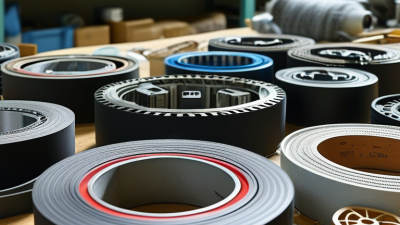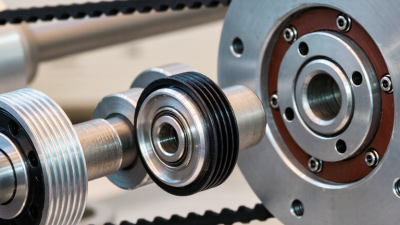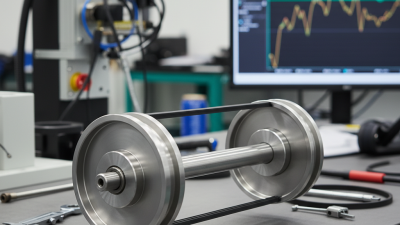
An Open End Belt is often chosen when a machine needs a custom belt length, flexible routing, or precise linear motion. Unlike a closed-loop belt, it can be supplied by the metre and secured to a carriage or fixture. That makes it useful in packaging equipment, CNC systems, and automated handling lines. Fit matters.
A transparent note on attribution: no source article or verified expert quotation was provided. Rather than invent a real authority, the following is an illustrative comment from a fictional composite belt engineer, Alex Morgan: “A belt performs well only when its length, tension, and tooth profile match the motion and load.” It is a practical reminder, not a verified quotation. Small details count.
For buyers, the real comparison is not simply open-ended versus endless. Check tensile load, positioning accuracy, pulley compatibility, operating temperature, and exposure to oil or dust. A short belt may look straightforward on a drawing, yet poor alignment can cause uneven tooth wear. Installation also matters: the belt ends need secure attachment, and tension must stay within the maker’s specification. Not every line.
A careful selection process can simplify maintenance and make unusual machine layouts easier to serve. Still, an Open End Belt is not automatically the best choice. Heavy shock loads, demanding positioning, or difficult service access may call for another design. Verify the application with the belt manufacturer, then test under realistic operating conditions. The first choice may need revision.
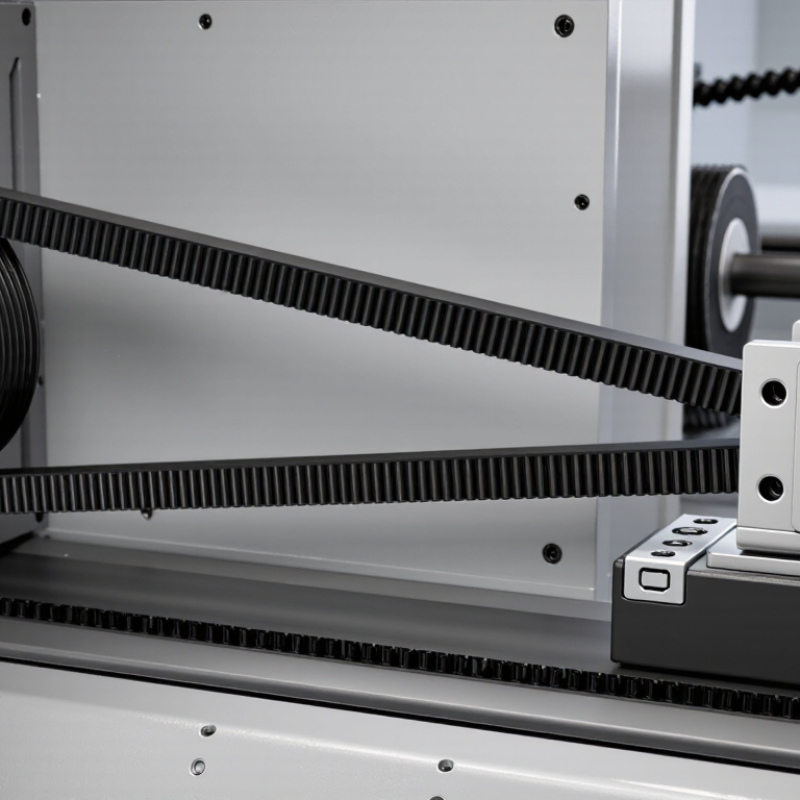
An open end belt is supplied as a continuous length rather than a pre-closed loop. It has two free ends, which can be cut to suit the machine’s travel distance. Many are toothed timing belts used in linear drives, packaging equipment, and automated handling systems. The teeth mesh with grooved pulleys, helping control movement and reduce slip.
The ends may be joined with a suitable splice, clamp, or welding method, depending on the belt material and application. A technician should check the manufacturer’s specifications before cutting or joining it. A rough cut can leave uneven teeth; a poor joint may create vibration or fail under repeated loading. Small details matter. For example, a belt running across a long axis may need careful alignment to prevent edge wear.
Open end belts are useful when a machine needs a custom length or a belt must be routed through a constrained frame. They can also simplify replacement where a closed loop is difficult to install. But they are not automatically the best choice. I used to think a longer belt simply meant more flexibility; in practice, stretch, load, speed, and joint strength all affect accuracy. Measure the path and operating conditions before selecting one.

An open-end belt is supplied in a continuous length, cut to suit the machine, and secured at both ends. Its length and tooth profile must match the required travel, load, speed, and pulley geometry. For toothed belts, tooth engagement matters: mismatched profiles can cause uneven wear or skipping.
Measure twice.
The U.S. Department of Energy’s Improving Motor and Drive System Performance: A Sourcebook for Industry reports that motor-driven systems use about 68% of electricity in U.S. manufacturing. That figure is not specific to belts, but it shows why correctly specified drive components matter.
During installation, check that pulleys are parallel and the belt path is clear. Fix one end, route the belt around the pulleys, then secure the other end using the machine’s intended clamps or fastening method. Set tension to the equipment specification; excessive tension can load bearings, while slack can impair tracking or tooth engagement.
Small errors matter.
In practice, clean drawings rarely capture dust, thermal growth, or a frame that sits slightly out of square. After fitting, turn the drive by hand where safe, inspect alignment, and recheck tension after initial operation. Follow the belt and machine documentation, since open-end belt materials and fastening details vary.
An open end belt gives engineers flexibility to match belt length to a machine’s travel. It can be cut on site, then attached to a carriage or routed through a system without removing every shaft. This can simplify installation in long conveyors, linear actuators, and packaging equipment. Less dismantling. In a maintenance bay, that may mean fewer guards and rollers need to come off before a replacement belt is fitted. It can also reduce the need to stock several fixed belt lengths.
Open-end belts are useful when equipment dimensions change or a line needs a custom layout. A technician can measure the path, cut the belt, and secure it with a clamp or suitable joint. On a packaging line, this makes belt replacement more practical when access is tight. But flexibility is not a free pass. The joint, tension, and alignment must suit the load and operating speed; a small tracking error can wear the belt edge. I have seen custom length treated as the whole solution, when pulley condition mattered just as much. Check the installation details, not only the belt length.
Open-end belts are commonly used in linear-motion systems where a carriage must travel along a fixed path. In packaging equipment, they move sealing heads and label applicators between stations. On CNC machines, they can position guards, tool covers, or lighter axes. The belt is cut to the required length, then its ends are secured to the carriage or frame. That makes installation flexible. A small detail matters: clamp pressure must be even.
Material-handling equipment uses open-end belts to move sorting gates, sensor mounts, and adjustable guides. Textile and printing machines may use them to position rollers or feed components across a wide bed. In automated assembly, they can shuttle parts between work cells when loads and speeds suit the drive. The belt’s teeth engage with pulleys, helping reduce slip during repeated movement. Still, alignment and tension need regular checks; a belt that is too loose can cause positioning errors.
Open-end belts are useful when a machine needs a custom travel length or a belt path that would be awkward to install as a closed loop. They are not automatically the best choice for every axis. Heavy loads, abrupt starts, or long unsupported spans can increase stretch and vibration. I would check the actual load, travel, speed, and mounting space before selecting one. It is easy to overlook the end clamps, yet they often determine how reliably the system runs.
Selecting an open end belt starts with the motion it must control. Measure travel, load, speed, and acceleration, then note how often the system reverses. A light camera slide and a loaded packaging carriage need different belt capacities. Small details matter.
Check belt pitch, width, and tensile strength against the drive and pulley dimensions. The belt must match the pulley tooth profile, and pulley diameter should follow the belt manufacturer’s minimum bend guidance. For long runs, estimate stretch and positioning error under working load. A belt that looks ample on paper may still creep when warm. That deserves a test.
Environment also guides material choice. Oil mist, dust, washdown, and temperature swings can affect grip and service life. Inspect the end attachment, too: clamps need enough contact area, while uneven clamping can disturb tracking. Leave room for tension adjustment and routine checks. If precision matters, measure repeatability after installation, not only during unloaded movement. Real equipment may differ from a catalog calculation, so confirm assumptions with a sample run and record the results.
| Selection Factor | What to Assess | How It Guides Belt Selection | Practical Check |
|---|---|---|---|
| Application and belt layout | Whether the belt runs in a continuous loop or is supplied open-ended for a linear drive, conveyor, or custom-length assembly. | Open-ended belting can be cut to length and attached to a carriage or joined into a loop when the design allows. It is useful where the required length or installation layout is not suited to a standard endless belt. | Confirm how the belt ends will be anchored or joined and whether the drive requires an endless loop. |
| Load and required tension | Operating force, acceleration, shock loads, belt span, and the load carried by the belt. | Higher loads generally require an appropriately rated belt construction, width, and reinforcement. Open-ended installations also depend on secure end attachment and support. | Calculate the design load, including start-up and peak loads, and compare it with the belt supplier’s ratings and attachment limits. |
| Positioning accuracy | Permitted movement, repeatability, backlash, and the effect of belt stretch or tooth clearance on the process. | A toothed synchronous belt can maintain a timed relationship with compatible pulleys without relying on friction alone. Belt stretch, tooth fit, mounting, and tension still affect positioning. | Check the required accuracy against the belt and pulley specifications; validate positioning under the actual working load. |
| Pitch and pulley compatibility | Belt tooth pitch, tooth profile, pulley tooth count, and pulley dimensions. | The belt and pulley must use compatible tooth geometry and pitch. Correct engagement helps reduce uneven loading and premature tooth wear. | Verify belt and pulley specifications together rather than selecting a belt by width or pitch alone. |
| Speed and duty cycle | Running speed, acceleration, operating hours, start-stop frequency, and reversals. | Higher speed or frequent cycling can increase heat, vibration, and fatigue. The suitability of a belt depends on its construction, pulley size, tension, and operating conditions. | Compare the planned speed and duty cycle with the belt’s published limits and the machine’s maintenance requirements. |
| Material and operating environment | Temperature, moisture, oils, chemicals, dust, and cleaning methods. | Belt body materials and tensile cords differ in their resistance to environmental exposure. Compatibility is material-specific; no single construction suits every environment. | Check chemical and temperature compatibility for the complete belt assembly, including any splice, clamp, or attachment. |
| Belt width and reinforcement | Available space, load distribution, belt guidance, and reinforcement type. | Width and tensile-cord construction influence load capacity and stiffness. Reinforcement options can include steel or aramid cords, but suitability depends on the application and required flexibility. | Use manufacturer engineering data to confirm allowable load, minimum pulley size, and any limits on bending or back-bending. |
| End attachment or joining method | Clamps, mechanical fasteners, welding, or other joining methods specified for the belt construction. | The attachment method can affect effective strength, flexibility, and service life. Some belt constructions are more suitable for welding or particular fastening methods than others. | Follow the belt manufacturer’s joining instructions and confirm that the attachment can withstand the calculated load. |
| Installation and maintenance | Access for fitting, tension adjustment, alignment, inspection, and replacement. | Open-ended belts can simplify installation in some linear systems, especially where a continuous loop cannot be fitted over the machine structure. Correct alignment and tension remain essential. | Plan for belt tracking, tension checks, wear inspection, and replacement without damaging nearby components. |
| Total operating cost | Initial belt cost, installation time, downtime, replacement frequency, and consequences of failure. | A cut-to-length belt may reduce inventory or installation constraints, but the best choice depends on service life and the cost of maintenance or unplanned stoppage. | Compare options using the expected operating conditions and maintenance schedule, not purchase price alone. |
Final selection should be checked against application calculations and the technical data for the specific belt, pulley, and attachment system.