Ultimate Round Belt Pulley Tips for Optimal Performance?
In the realm of mechanical engineering, the Round Belt Pulley plays a crucial role in power transmission systems. Understanding its design and functionality can significantly enhance performance. While many overlook the complexities, even small adjustments can lead to substantial efficiency gains.
Round Belt Pulleys are often utilized in various applications, from industrial machinery to household appliances. Their smooth surface minimizes friction, enabling quiet operation. However, the selection of materials and precise alignment is crucial. Common mistakes include using incorrect belt sizes or neglecting regular maintenance checks.
It's essential to recognize that optimization is a process, not a one-time fix. Continual assessment of pulley conditions and performance can uncover hidden issues affecting efficiency. By observing these factors, users can mitigate potential problems and extend the lifespan of the Round Belt Pulley. Embracing this mentality fosters a culture of improvement and reliability in any mechanical setup.
Understanding Round Belt Pulleys and Their Applications
Round belt pulleys are essential components in various industries, such as manufacturing and material handling. These pulleys enable the efficient transfer of power, ensuring that machinery operates effectively. According to a report by the Industrial Mechanical Systems Association, nearly 70% of industrial energy is used by motor-driven systems, making optimal pulley performance crucial.
Round belt pulleys are commonly used in applications ranging from conveyor systems to printing presses. Their design allows for flexibility, enabling them to operate in tight spaces. They can also handle diverse belt materials, enhancing their versatility. For instance, belts made from polyurethane or rubber provide different levels of grip and wear resistance. Yet, maintaining the correct tension is vital. Improper tension can lead to slippage or premature wear, with studies indicating that a 10% misalignment can reduce efficiency by up to 30%.
Regular inspections and maintenance practices are often overlooked. Many operators fail to recognize signs of wear or misalignment. Ignoring these can diminish pulley's lifespan and performance. This calls for better monitoring practices to ensure reliability. Implementing scheduled checks can lead to significant performance improvements. Yet, many organizations hesitate to invest resources in training, which can limit their operational effectiveness. Understanding the unique properties of round belt pulleys can ultimately lead to optimized performance and prevent costly downtimes.
Key Factors Influencing Round Belt Pulley Performance
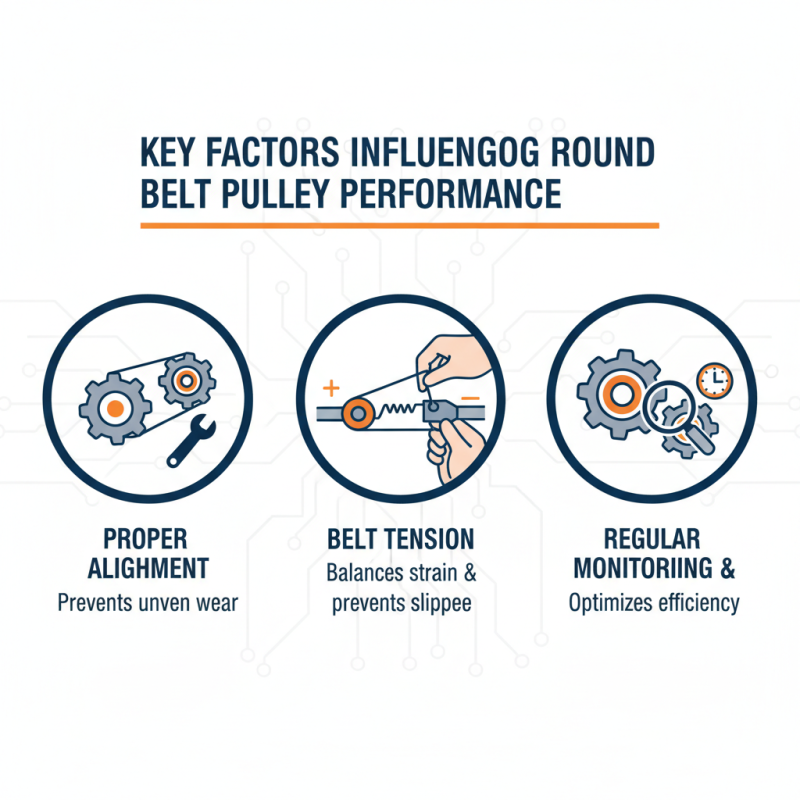
When it comes to round belt pulley performance, several factors play a crucial role. Proper alignment is essential. Misalignment can cause uneven wear and reduce efficiency. Regularly checking the alignment can help prevent unnecessary issues. Additionally, the tension of the belt significantly influences the performance. Too much tension may strain the components, while too little can result in slippage. Finding the right balance requires careful monitoring and adjustment.
Material selection is another vital aspect. Different materials offer varying levels of durability and grip. For instance, rubber can provide good traction but may wear out faster. On the other hand, more robust materials can increase longevity but might reduce flexibility. Understanding the working environment is important for material choice. Temperature, humidity, and exposure to chemicals all affect how materials perform. Regular evaluations of material integrity can help in making timely replacements.
Finally, the maintenance schedule can’t be overlooked. Regular cleaning and inspection prevent build-up that can impede performance. Neglecting maintenance often leads to reduced efficiency and increased downtime. A well-planned maintenance routine can extend the lifespan of the pulleys and belts significantly. Balancing these factors is a continuous process that demands attention.
Maintenance Tips for Prolonging Pulley Lifespan
To ensure optimal performance of round belt pulleys, regular maintenance is essential.
Industry reports indicate that proper maintenance can extend the lifespan of pulleys by up to 50%. This not only reduces replacement costs but also minimizes downtime in production.
Key maintenance activities involve regular inspections and cleanings to avoid wear and tear from dirt or debris.
Frequent lubrication is vital. A well-lubricated pulley operates smoothly, which reduces the friction that leads to overheating. When gears heat up, their efficiency decreases. Regularly checking lubrication for the right viscosity helps maintain optimal performance. Don’t overlook small issues; they can lead to bigger problems down the line.
Replace worn belts promptly. A damaged belt can strain the pulley and adjacent components, leading to inefficient operation. Look out for signs of fraying or cracking. Ignoring these signs could result in breakdowns.
Keeping a maintenance log can track wear patterns and help predict potential failures.
This proactive approach improves reliability and efficiency throughout the system.
Troubleshooting Common Issues with Round Belt Pulleys
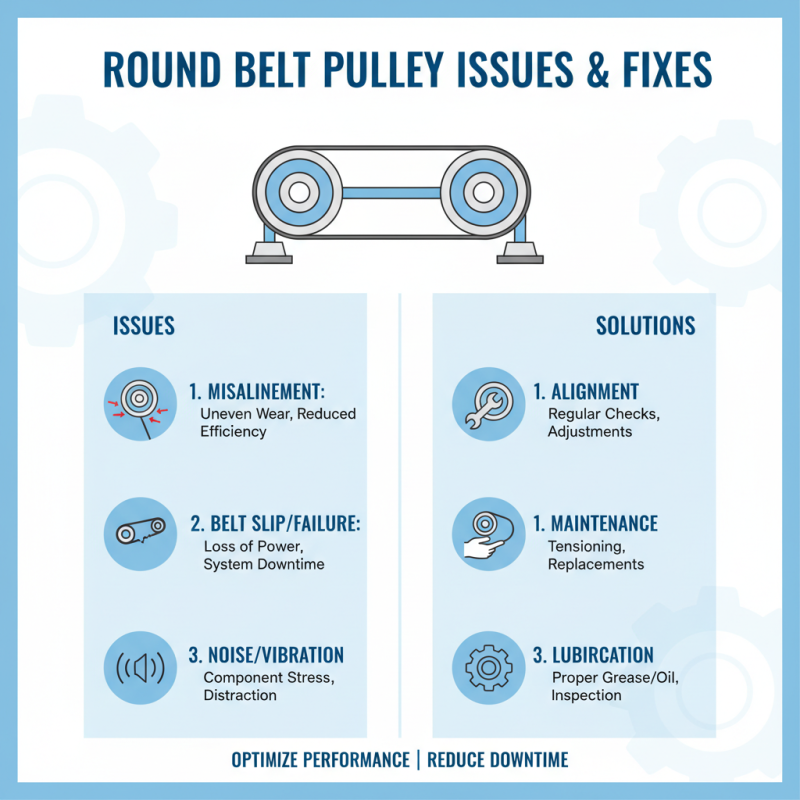
Round belt pulleys are essential in various mechanical systems, but they can present issues that hinder performance. One common problem is misalignment. When a pulley is not properly aligned with its corresponding belt, it can lead to excessive wear and reduced efficiency. Regular checks and adjustments can mitigate these issues, ensuring optimal operation.
Pay attention to the tension of the round belt. Too tight or too loose can cause slips or wear. Aim for a balance; this enhances both performance and lifespan. An easy tip is to check for any sagging or excess strain when the belt is installed. A belt that feels out of place is often a sign that adjustments are necessary.
Another concern is noise during operation. Unusual sounds may indicate issues with the pulley or belt. Inspecting for debris or wear can often reveal the root cause. Sometimes, simply cleaning the components can improve performance. Remember, diagnosing these problems early can save time and costs later.
Choosing the Right Materials for Optimal Belt Pulley Efficiency
When selecting materials for belt pulleys, common choices include metal, plastic, and rubber. Each material has unique attributes. Metal pulleys offer durability but may add weight. Plastic pulleys are lightweight but can wear out quickly. Rubber pulleys provide good traction but may not withstand extreme temperatures. Evaluating the application helps in material selection.
Consider the environment where the pulley operates. For corrosive settings, choose materials resistant to rust and degradation. Some users overlook this detail, leading to premature failure. The right material enhances efficiency, extending the lifespan of both the pulley and the belt.
Balancing cost and performance is crucial. Cheaper materials may seem attractive but could cause issues over time. A well-thought-out decision can prevent unexpected downtime. By reflecting on your needs, you can make informed choices that improve overall belt pulley performance.
Ultimate Round Belt Pulley Tips for Optimal Performance
| Material |
Tensile Strength (MPa) |
Friction Coefficient |
Temperature Resistance (°C) |
Weight (kg/m) |
| Aluminum |
310 |
0.6 |
150 |
1.0 |
| Steel |
400 |
0.4 |
200 |
2.0 |
| Plastic |
50 |
0.3 |
80 |
0.5 |
| Composite |
250 |
0.5 |
120 |
1.2 |