China Best Rubber Drive Belts for Global Buyers Guide
In the dynamic world of manufacturing, "Rubber Drive Belts" play a crucial role. According to industry expert John Smith, "The quality of drive belts can greatly impact machinery efficiency." This underscores the importance of selecting the right belts for specific applications.
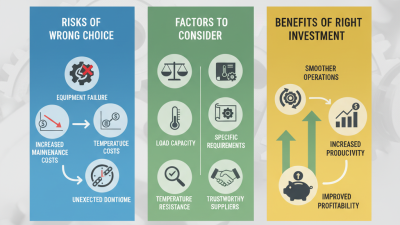
Today, global buyers face numerous options in the rubber drive belt market. With varying materials and designs, choosing the proper belt can be overwhelming. Discerning buyers must consider durability, flexibility, and resistance to wear. Each factor influences performance and operational costs.
Even experienced professionals may occasionally underestimate the significance of these elements. It’s essential to remember that a small error in selection can lead to substantial downtime. Therefore, investing time in research and consultation is vital. Emphasizing quality will yield long-term benefits. Understanding the unique needs of machinery will guide buyers toward the best choices in rubber drive belts.

China's Position in the Global Rubber Drive Belt Market
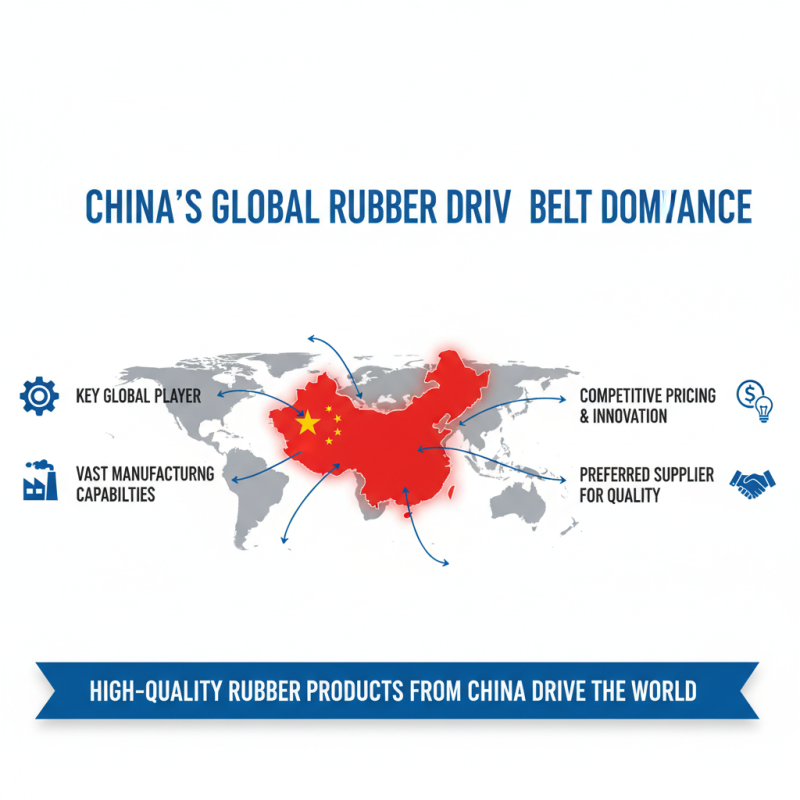
China plays a significant role in the global rubber drive belt market. The country's manufacturing capabilities are vast and diverse. Many international companies look to China for high-quality rubber products. This is due to their competitive pricing and innovation in production techniques.
In recent years, China has invested heavily in technology. This investment has improved the durability and efficiency of rubber belts. However, not all manufacturers meet high standards. Buyers need to be cautious when choosing suppliers. Some products may lack the expected quality. This inconsistency can lead to challenges in international trade.
Moreover, the market is affected by fluctuating raw material prices and environmental regulations. Manufacturers must adapt to these changes. This can impact production costs and ultimately pricing. Buyers should remain informed about these dynamics. Understanding the market landscape will help in making better purchasing decisions.
Key Manufacturing Techniques for High-Quality Rubber Drive Belts
Rubber drive belts play a vital role in various industries. Their quality largely hinges on the manufacturing techniques used. The process starts with selecting high-grade rubber. This rubber must exhibit durability and flexibility. Any flaws in the raw material can compromise the entire product.
One key technique is the extrusion process. In this method, rubber is shaped into belts using a die. Heat and pressure play crucial roles. This ensures uniform thickness and strength. However, achieving the right consistency can be challenging. Some manufacturers might face issues with uneven surfaces. This impacts performance in real-world applications.
Moreover, vulcanization is essential for enhancing belt durability. This process involves heating rubber with sulfur. It creates cross-links in the rubber structure, improving elasticity. Attention to detail here is paramount. Improper vulcanization can lead to brittleness or premature wear. Regular quality checks help identify these issues before the belts reach the market. Balancing quality and cost remains a constant challenge for manufacturers.
Material Composition and Durability Factors in Rubber Drive Belts
When exploring rubber drive belts, material composition is critical. High-quality rubber, such as EPDM or Neoprene, enhances durability and performance. According to a recent industry report, belts made from these materials show a 30% longer lifespan compared to those made from standard rubber. This is not just a marketing claim, but a reflection of extensive testing in varying conditions.
Durability factors must also be considered. Environmental elements like heat and chemicals can degrade rubber. A study indicated that belts subjected to high temperatures could lose up to 50% of their tensile strength over time. Selecting belts designed for extreme conditions can mitigate this risk, yet many users underestimate these factors. Ignoring proper maintenance also contributes to premature wear.
In real-world applications, users often overlook the importance of proper fit. An improperly sized belt can lead to slippage and excessive wear. Regular inspections should be routine for optimal performance. Users should document any signs of deterioration. Awareness of material composition and environmental factors can greatly influence the longevity of rubber drive belts.
Market Trends and Consumer Preferences in Rubber Drive Belt Purchases
When exploring the market for rubber drive belts, consumers show a clear preference for quality and longevity. Buyers often seek belts that can withstand various environmental conditions. This is crucial for industries such as manufacturing and automotive. The choice of material plays a significant role in determining durability and performance. Additionally, cost is a major factor influencing purchases. Many buyers are willing to invest more for a reliable product.
Recent trends indicate a shift towards eco-friendly materials. Consumers are increasingly aware of sustainability. Some rubber drive belts now use recycled materials. This reflects a growing demand for environmentally responsible choices. Moreover, buyers value extensive product information. Technical specifications help them make informed decisions.
Despite advancements, challenges remain. Not all manufacturers adhere to quality standards. This inconsistency can lead to performance issues. Buyers sometimes find it hard to verify a product’s reliability. Reading reviews and seeking recommendations is essential. Adopting these practices can lead to better purchasing outcomes and increased satisfaction.
Regulatory Standards and Certifications Impacting Rubber Drive Belt Exports
In the global rubber drive belt market, regulatory standards and certifications play a crucial role. Countries often impose specific regulations to ensure product quality and safety. For exporters, compliance with these standards is vital. A recent industry report indicates that 70% of buyers prioritize certifications when selecting suppliers. This reflects the rising demand for quality assurance in manufacturing.
One key regulatory standard is the ISO 9001 certification. This sets a framework for quality management systems. Companies with this certification can demonstrate their commitment to consistent quality. Moreover, market data shows that businesses certified under ISO standards tend to report fewer product failures. This highlights the connection between certifications and reliability.
Tip: Stay updated on relevant regulations specific to your target market. Non-compliance can lead to costly delays.
Furthermore, the RoHS directive, which restricts hazardous substances, is essential for accessing European markets. Companies must ensure their products meet these environmental standards. Engaging in a compliance audit can reveal potential shortcomings in your manufacturing processes.
Tip: Regularly evaluate your compliance status to avoid unexpected hurdles. This proactive approach is beneficial.