What Is a Round Belt Pulley and How Does It Work?
A Round Belt Pulley is a small but important component in many power-transmission systems. It guides a round belt and transfers rotary motion between shafts. You may find it inside conveyors, packaging machines, exercise equipment, and light industrial drives. The pulley’s groove must match the belt’s diameter. Even a slight mismatch can cause slipping, noise, or uneven wear.
Industry reports show why these details matter. Grand View Research identifies growing demand for conveyor and material-handling equipment, where compact belt systems remain widely used. MarketsandMarkets also reports continued expansion in the global power-transmission market, driven by automation and efficient machinery. These reports usually group round belts with broader belt-drive categories. That limitation matters. Specific Round Belt Pulley data is still fragmented.
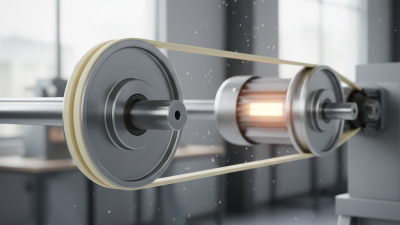
Mechanical-design author Robert L. Mott offers a useful principle: “The belt, pulley, and tension must be treated as one system.” This idea explains the mechanism clearly. The motor turns the driving pulley. Friction grips the round belt. The belt then rotates the driven pulley. Correct alignment keeps the belt seated in the groove. Proper tension prevents both slippage and excessive bearing load.
The design is simple.
Yet simple does not mean effortless. Dust, heat, and misalignment can change performance quickly. A practical inspection should check groove wear, belt cracking, shaft alignment, and tension. Engineers should also question catalog ratings, because real conditions rarely match laboratory assumptions. This article examines how a Round Belt Pulley works, where it performs best, and which small design choices can prevent expensive downtime.
What Is a Round Belt Pulley?
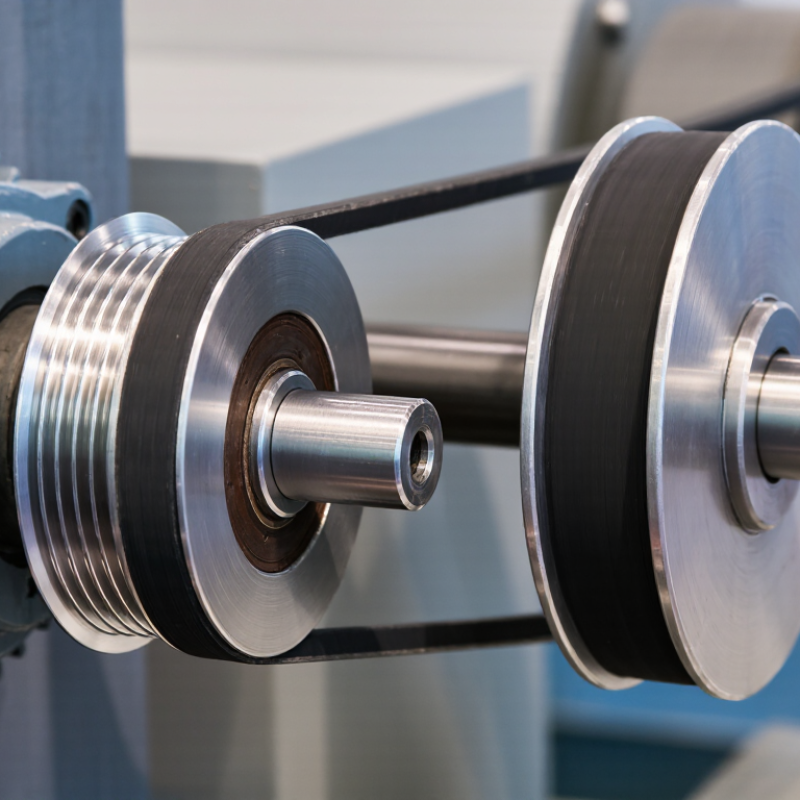
A round belt pulley is a grooved wheel designed to guide and drive a round belt. Its circular groove supports the belt during rotation. The pulley transfers motion through friction, not teeth or metal contact. A motor turns the driving pulley, while the belt carries movement to another pulley. This arrangement can change speed, direction, or rotational force.
The design is common in conveyors, packaging equipment, rollers, and light-duty machinery. Rubber, polyurethane, or similar flexible belts usually fit the groove. A deeper groove can improve tracking, but excessive depth may increase bending resistance. Correct alignment matters. Even a small angle can create uneven wear, vibration, and belt escape. A clean groove helps, though cleanliness alone cannot correct poor tension.
The International Energy Agency reported in Energy Efficiency 2023 that electric motor systems use about 53% of global electricity. Small transmission losses therefore deserve attention. A properly sized round belt pulley can reduce unnecessary slipping and heat. However, efficiency depends on more than the pulley. Belt material, center distance, load, and operating temperature also matter. The simple label can mislead. A pulley that looks smooth may still be worn inside its groove. Routine checks should measure belt tension, inspect surface cracking, and confirm parallel shafts. In practice, maintenance teams sometimes tighten belts too much. That can overload bearings and shorten service life. The better approach is measured tension, not guesswork.
What Is a Round Belt Pulley and How Does It Work?
A round belt pulley transfers rotational motion through a flexible round belt. The driven-pulley speed depends on the ratio between the driver and driven pulley diameters.
Example conditions: The driver pulley rotates at 1,500 rpm and has a diameter of 50 mm. The estimated driven speed is calculated as: driven speed = driver speed × driver diameter ÷ driven diameter.
Key Parts and Design Features of a Round Belt Pulley
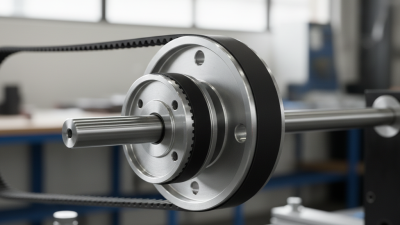
A round belt pulley transfers rotation through a flexible circular belt. Its main body is the grooved wheel, which guides the belt during operation. The groove must match the belt’s diameter closely. A loose fit can cause slipping, while a tight fit increases friction and wear. The central hub connects the pulley to a shaft, often through a bore, keyway, or clamping method. Bearings may support the shaft and keep rotation smooth.
Design details influence reliability. Groove depth controls belt engagement and helps prevent the belt from climbing out. A rounded groove surface reduces sharp contact points. Pulley material also matters. Steel handles demanding loads, while polymer can reduce noise and weight. Accurate alignment is essential. Even a small angular error can make the belt rub against one side. In workshop inspections, uneven belt dust often reveals this problem before failure. It is easy to overlook.
Tips: Check the pulley groove for cracks, burrs, and polished wear marks. Confirm that the belt sits naturally without twisting. Measure shaft alignment before tightening fasteners. Leave enough clearance around the pulley for inspection and cleaning. Do not assume a larger pulley always improves performance. It may reduce speed, yet increase torque and space requirements. Rechecking the design under real load is wise, because laboratory assumptions can miss vibration, temperature, or unexpected belt stretch.
How a Round Belt Pulley Transfers Motion
What Is a Round Belt Pulley and How Does It Work?
How a Round Belt Pulley Transfers Motion
A round belt pulley is a grooved wheel designed to move power through a flexible circular belt. When the driving pulley turns, friction pulls the belt along its groove. The belt then rotates the driven pulley, transferring motion between separate shafts. This setup can operate quietly and handle moderate loads in compact machinery.
Pulley diameter affects rotational speed. A smaller driving pulley can make the driven pulley rotate more slowly when its diameter is larger. However, real systems may lose speed through belt slip, stretching, or poor alignment. That detail is easy to underestimate. Even a slight angle can cause uneven wear and vibration. In practical maintenance, inspect the groove, belt surface, and shaft position together. A polished groove may indicate repeated slipping, not good performance.
Tips:
Keep both shafts parallel and firmly mounted. Choose a belt with suitable tension, neither loose nor excessively tight. Too much tension can overload bearings. Check for cracks, flattening, or glazing before operation. Small defects can grow quickly. Replace worn belts rather than compensating with extreme tension. Do not trust appearance alone; listen for squealing and watch for irregular movement during a controlled test.
Common Applications and Compatible Belt Types
A round belt pulley is a grooved wheel that transfers motion through a circular belt. Its U-shaped groove helps guide the belt while the pulley rotates around a shaft. Unlike toothed systems, it usually relies on friction rather than positive engagement. This makes the mechanism simple, quiet, and easy to maintain.
Round belt pulleys commonly appear in roller conveyors, packaging equipment, sorting tables, and light material-handling systems. They work well when products need gentle movement, especially cartons, bottles, and small containers. In a conveyor, one pulley drives the round belt, while nearby pulleys support direction changes or roller movement. The groove must match the belt diameter closely. Too much clearance causes slipping. Too little clearance increases wear.
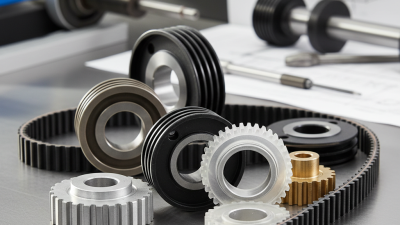
Compatible belts usually include polyurethane round belts, rubber O-ring belts, and thermoplastic elastomer belts. Polyurethane belts suit clean environments and moderate abrasion. Rubber belts can provide useful grip and flexibility, but heat and oil may affect them. Some systems use hollow belts joined with a heated splice, while others use endless belts for smoother operation. Short belts are easier to tension. However, that is not always better.
From practical installation work, I would check pulley diameter, shaft speed, belt tension, load weight, and operating temperature before choosing a belt. A polished groove may reduce friction unexpectedly. A rough groove can damage the belt. Small alignment errors also matter more than many users expect. The selection process is not perfect; actual testing under load often reveals problems that calculations miss.
How to Select, Install, and Maintain a Round Belt Pulley
A round belt pulley guides a flexible circular belt around a shaft. Its groove keeps motion steady between connected components. Selecting the right pulley begins with the application, not appearance. Check transmitted load, shaft speed, center distance, and operating temperature. Match the groove size to the belt diameter. A loose fit can cause slipping. A deep groove may create unnecessary friction. Choose a compatible bore, keyway, and pulley material for the shaft and environment. Measure twice.
Before installation, isolate the equipment and inspect every contact surface. Remove burrs, oil, and packed dust from the shaft and groove. Slide the pulley into position without forcing it. Align it with the mating pulley using a straightedge across both faces. Even a small angular error can push the belt sideways. Set belt tension according to the equipment maker’s specification. Excessive tension is not better. It can overload bearings and shorten belt life. Secure fasteners evenly, then rotate the system by hand.
Maintenance should be simple, but it is often neglected. Check for glazing, cracks, stretching, and unusual belt dust. Listen for squealing during startup. It may indicate poor alignment or insufficient tension. Inspect the pulley groove for sharp edges and uneven wear. Replace a damaged belt instead of trimming its surface. Use a matched replacement when multiple belts share one drive. Recheck alignment after the first operating cycle. Real conditions change. Heat, vibration, and dust can expose an installation detail that looked acceptable at the bench.