Top Types of Timing Pulleys for Optimal Performance?
Timing pulleys play a crucial role in various mechanical systems. They ensure precise synchronization between components. According to a recent industry report by the International Mechanical Engineering Society, the global demand for timing pulleys is projected to increase by 12% annually. This growth reflects the essential function of timing pulleys in sectors like automotive, robotics, and industrial automation.
Expert Jacob Reinhold, a respected figure in the mechanical engineering field, emphasizes the significance of selecting the right timing pulleys. He asserts, "The efficiency of a system largely depends on the quality and design of its timing pulleys." This statement highlights a common oversight in many engineering projects—the assumption that any pulley will suffice. Selecting the appropriate type can drastically enhance performance and reliability.
While there are several types of timing pulleys, not all are suitable for every application. Some might not provide the required torque or might wear out quickly. It's essential to assess the specific needs of your project carefully. As the industry evolves, so do the technologies behind timing pulleys, pushing designers to think critically about their options.
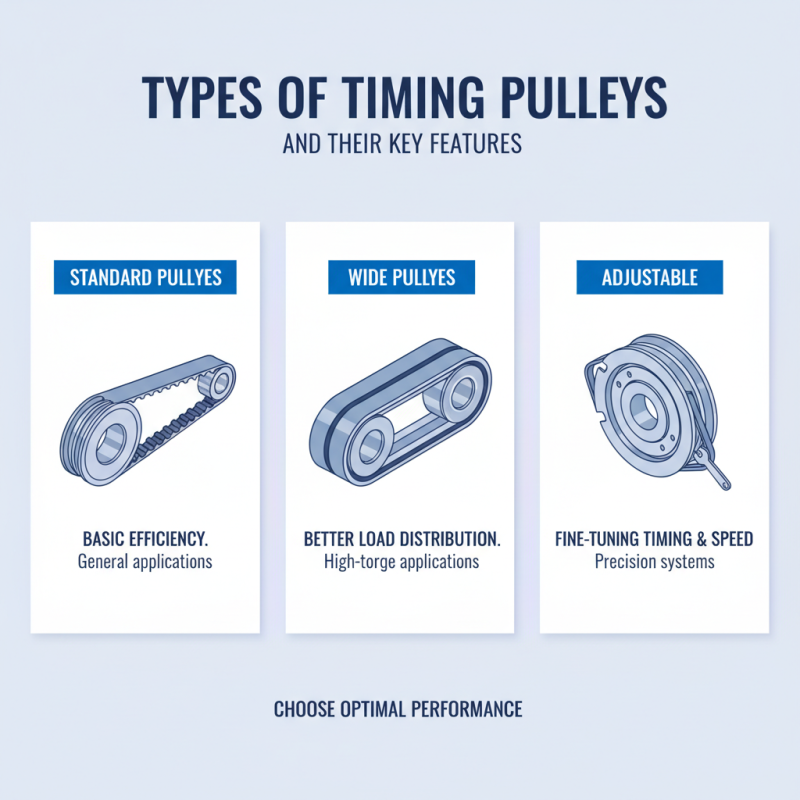
Types of Timing Pulleys and Their Key Features
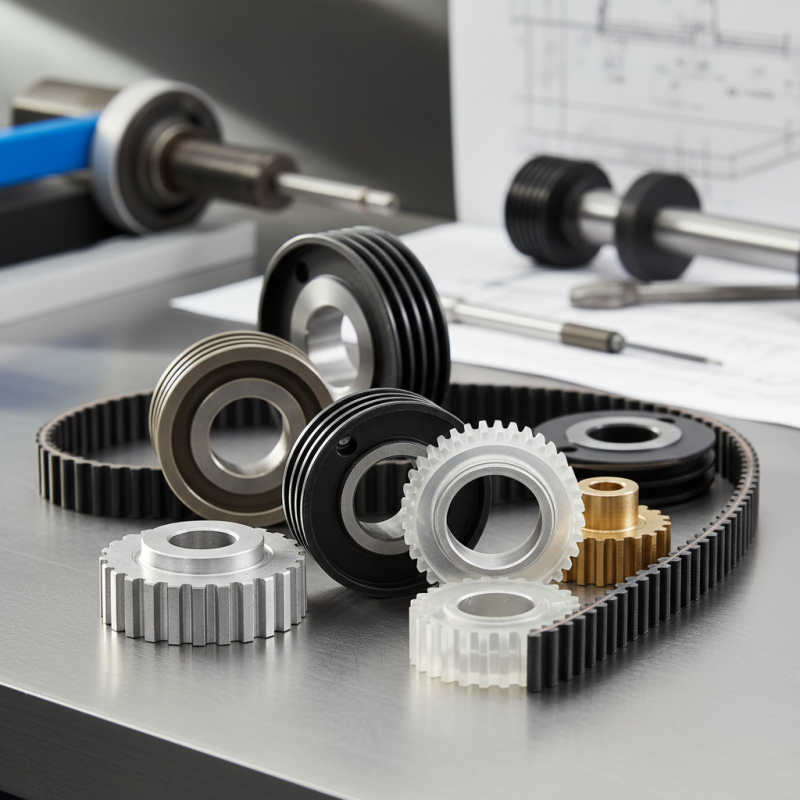
When selecting timing pulleys, understanding their types is crucial for achieving optimal performance. Different designs cater to specific applications. Common types include standard pulleys, which offer basic efficiency, and wide pulleys, providing better load distribution. There are also adjustable pulleys, allowing for fine-tuning of timing and speed. Each type has unique features that can enhance performance.
Material choice impacts durability and performance. Aluminum pulleys are lightweight yet strong. Steel pulleys excel in heavy-duty applications. Some pulleys even use composite materials for lower weight and enhanced flexibility. Understanding these materials can help you make better decisions for your projects.
**Tips:** Always consider the load requirements and environment. Use wider pulleys in systems with heavy loads. Test different types for your specific setup. This can reveal unforeseen issues. Do not underestimate the importance of proper maintenance. Regular inspections prolong lifespan. Neglect might lead to sudden failures, disrupting operations.
Benefits of Using Timing Pulleys in Machinery
Timing pulleys are essential components in various machinery. They enhance performance by ensuring precise synchrony between moving parts. This precise timing reduces mechanical errors and improves energy efficiency. In applications like conveyors and robotics, timing pulleys maintain consistent speed and torque.
Using timing pulleys offers numerous benefits. They significantly decrease wear and tear on machinery, extending operational lifetimes. Their design allows for smoother operation, reducing vibrations. However, improper installation can lead to failures.
Regular maintenance is crucial to ensure optimal performance.
Choosing the right timing pulley is not always straightforward. Factors like size, material, and load capacity matter. Sometimes, users overlook the importance of matching pulleys with the correct belts. This mismatch can cause premature wear or even system breakdowns.
Awareness of these details can enhance the overall reliability of machinery.
Selecting the Right Timing Pulley for Your Application
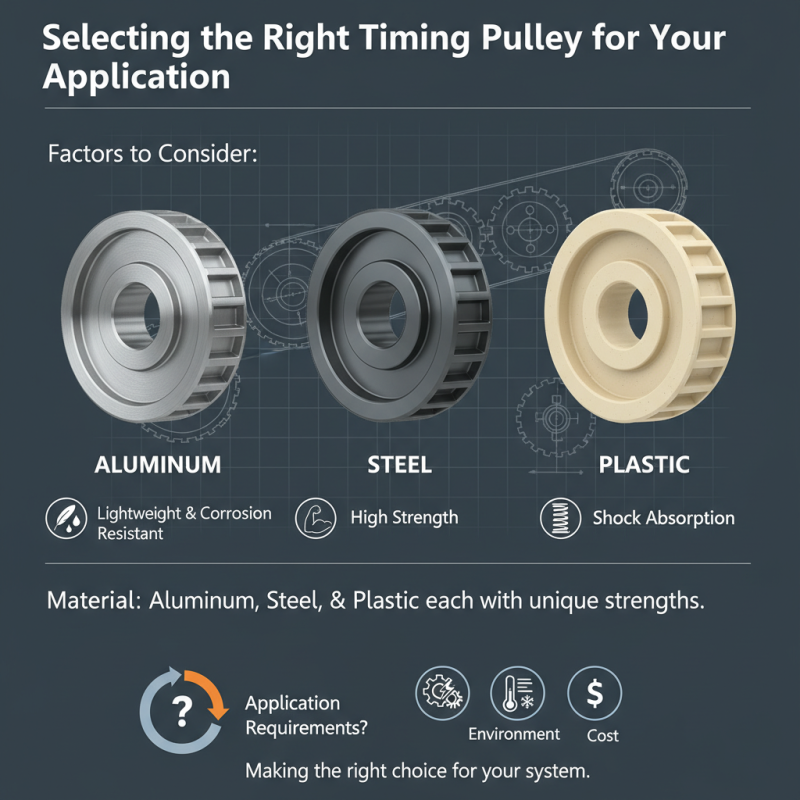
When selecting the right timing pulley for your application, there are several factors to consider. First, think about material. Aluminum, steel, and plastic are common. Each material has unique strengths. Aluminum is lightweight and resistant to corrosion. Steel offers high strength, while plastic can absorb shock.
Next, consider the size and pitch of the pulley. A larger diameter can provide better torque transmission. The pitch must match the timing belt for effective performance. Proper alignment is crucial too. Misalignment can lead to wear and reduce system efficiency.
Don’t overlook the environment. Factors like temperature and dust can affect pulley performance. Regular maintenance is essential for longevity. Checking for wear can prevent larger issues. Inadequate attention to these details can result in costly downtime. Understanding your application deeply enhances decision-making.
Comparison of Material Options for Timing Pulleys
When selecting timing pulleys, material choice plays a crucial role. Different materials offer varying levels of durability, weight, and cost. Common options include aluminum, steel, and plastic. Each has unique characteristics that may affect performance and longevity.
Aluminum timing pulleys are lightweight and resistant to corrosion. They are ideal for applications where weight reduction is important. However, they can be less durable under heavy loads compared to steel options. Steel pulleys, on the other hand, are strong and can handle significant stress. They are more robust but also heavier, which may not always be suitable for every project.
Plastic timing pulleys are gaining popularity. They are typically quieter and less prone to wear. However, they might not withstand extreme temperatures or heavy loads as effectively as metal counterparts. Ultimately, selecting the right material involves weighing these factors against your specific performance needs. Finding the perfect balance can be challenging but crucial for optimal performance.
Maintenance Tips for Longevity of Timing Pulleys
Timing pulleys play a crucial role in various mechanical systems. Regular maintenance is vital for their longevity and optimal performance. Regular inspections can help identify wear and tear. Check for any cracks or signs of deterioration. Even a small issue can lead to larger problems if ignored.
According to industry reports, proper lubrication can increase a pulley’s lifespan by up to 30%. Dirty or inadequate lubrication leads to friction and overheating. Use the correct lubricant for the material of the pulleys. Always consult manufacturer guidelines. Ignoring these details might cause costly breakdowns.
Belts must be aligned correctly to prevent excess strain. Misalignment can wear out pulleys faster. Regularly measure tension levels as well. A tension gauge can help maintain the right pressure. For heavy-duty applications, consider temperature monitoring. Research shows that increased heat significantly shortens a timing pulley’s life.
Top Types of Timing Pulleys for Optimal Performance
| Type of Timing Pulley |
Material |
Common Applications |
Maintenance Tips |
| Plastic Timing Pulley |
Nylon |
Light-duty applications, small motors |
Regular cleaning, avoid high temperatures |
| Aluminum Timing Pulley |
Aluminum Alloy |
Robotics, CNC machines |
Lubrication, check for wear and tear |
| Steel Timing Pulley |
Carbon Steel |
Heavy-duty applications, industrial machines |
Rust prevention, regular inspection |
| Rubber Timing Pulley |
Rubber |
Automotive applications, conveyor systems |
Avoid ozone exposure, replace when cracked |