What Is a PU Timing Belt Used For?
A PU Timing Belt transfers motion between rotating shafts while keeping their timing synchronized. Its toothed surface grips matching pulley grooves, reducing slip during operation. That precision matters.
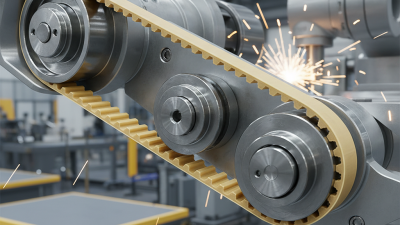
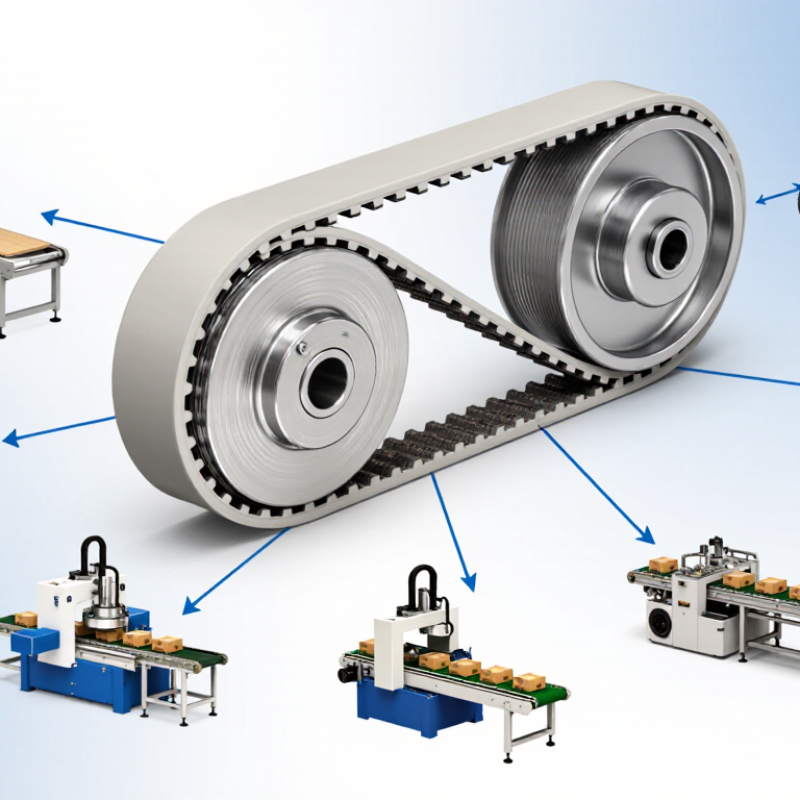
These belts appear in packaging lines, label printers, CNC equipment, textile machines, and light-duty conveying systems. In a packaging machine, for example, the belt may move a tray beneath a filling head, then stop it at a measured position. In a printer, it can help guide a carriage smoothly across the page. Small details count.
Polyurethane offers useful resistance to wear, oils, and repeated flexing in many working environments. Reinforcing cords, often steel or aramid, help control stretch and support accurate movement. Still, no material suits every machine. Heat, chemical exposure, pulley alignment, belt tension, and load can affect service life. A belt that looks sound may still be poorly matched to its application.
Choosing the right PU Timing Belt means checking more than tooth shape. Engineers also consider belt width, pitch, pulley diameter, speed, and operating conditions. There is no universal shortcut. A verified named-expert quotation was not supplied, so I won’t invent one; the guidance here reflects standard belt-selection considerations and should be checked against the equipment manufacturer’s specifications. One overlooked factor can cause noise, uneven wear, or lost timing. That deserves a closer look.
What Defines a Polyurethane Timing Belt?
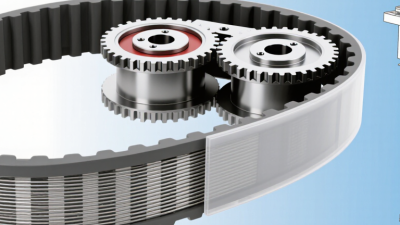
A polyurethane (PU) timing belt is defined by its material and synchronous tooth drive. Its body is molded from thermoplastic polyurethane, while embedded tensile cords—often steel, glass fiber, or another reinforcement—limit stretching. The teeth mesh with matching pulley grooves, transferring motion without relying on friction alone. That matters. Tooth shape, pitch, belt width, and cord construction determine whether a belt fits a particular drive. “PU” alone does not specify those details.
The polyurethane body can resist abrasion and moisture, but performance varies with formulation, temperature, load, and exposure to oils or chemicals. A belt that looks suitable may still wear quickly if pulley alignment is poor or the teeth do not match. In practice, inspect the belt profile and manufacturer-neutral specifications, then check operating conditions. One detail is easy to overlook: reinforcement affects flexibility and load capacity, so it is not merely a hidden extra. The U.S. Department of Energy’s 2014 Improving Motor and Drive System Performance sourcebook estimated that motor-driven systems used about 68% of electricity consumed in U.S. manufacturing. That figure is not specific to timing belts, but it shows why small drive components deserve careful selection.
What Is a PU Timing Belt Used For? - What Defines a Polyurethane Timing Belt?
| Dimension |
Description |
Practical Significance |
| What defines it |
A synchronous belt made with a polyurethane body and molded teeth that engage with matching pulley grooves. |
The tooth-and-pulley engagement supports synchronized movement when the belt is correctly selected, installed, and tensioned. |
| Primary purpose |
To transfer rotary motion and maintain a defined relationship between a driving shaft and a driven shaft. |
Useful where timing, repeatable positioning, or coordinated movement matters. |
| Common applications |
Conveyors, packaging equipment, labeling machines, printers, automated handling systems, and other light- to medium-duty machinery. |
The belt can coordinate rollers, indexing mechanisms, and other components that need repeatable motion. |
| Belt construction |
Typically consists of a polyurethane body and embedded tensile cords, commonly made from steel or aramid, depending on the design. |
The body forms the teeth; the cords help carry tensile load and limit elongation. Construction varies by belt specification. |
| Key material traits |
Polyurethane is commonly selected for wear resistance and dimensional stability in suitable operating conditions. |
Actual performance depends on the formulation, belt design, temperature, load, and exposure to oils or chemicals. |
| Motion characteristics |
Unlike a friction-only belt drive, a timing belt transmits motion through positive tooth engagement with a compatible pulley. |
Correct tooth profile, pitch, alignment, and tension are essential; tooth engagement does not eliminate the need for proper setup. |
| Selection factors |
Consider transmitted load, speed, belt width, tooth pitch and profile, pulley size, operating temperature, and environmental exposure. |
The belt and pulleys should be specified as a compatible drive system for the intended duty. |
| Limitations |
A polyurethane belt is not automatically suitable for every chemical, temperature, load, or washdown condition. |
Check the belt specification and application requirements; incorrect tension or alignment can accelerate wear or cause tooth damage. |
How Its Teeth Engage with Pulleys
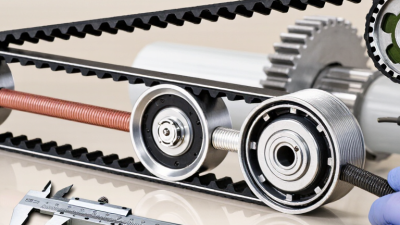
A PU timing belt transfers motion through matching teeth, not by relying mainly on friction. Its teeth enter the grooves of a toothed pulley and make contact along the groove faces. As the driving pulley turns, each tooth pushes against a groove, moving the belt and the connected pulley at a coordinated rate. The fit matters. A belt with the wrong tooth profile or pitch may ride unevenly, even if it appears close in size.
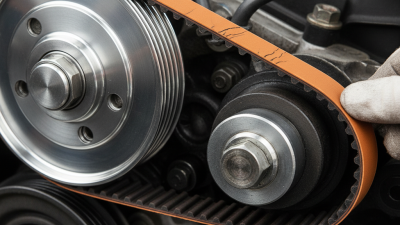
On a properly aligned drive, the teeth stay seated as the belt travels around the pulleys. This helps maintain timing between shafts in equipment such as printers, packaging machines, and small conveyors. The belt should have enough tension to prevent teeth from jumping, but excessive tension can strain shafts and bearings. Not a minor detail. Dust, oil, worn pulley grooves, or a tilted pulley can also disturb engagement. A quick visual check may miss these problems; uneven tooth wear often gives a better clue. It is tempting to blame the belt alone, but the pulley and installation deserve inspection too. Just matching the belt length is not enough.
Which Machines Use PU Timing Belts?
Which Machines Use PU Timing Belts?
PU timing belts are common in machines that need synchronized movement without belt slippage. Packaging lines use them to index cartons, move film, and coordinate sealing jaws. Labeling and printing equipment rely on accurate belt movement to keep labels or sheets aligned. Compact, quiet, and resistant to many oils, polyurethane belts suit these jobs, though material and tooth profile still matter.
They also appear in CNC equipment, textile machinery, automated conveyors, and pick-and-place systems. In a CNC machine, a belt may drive an axis or transfer motion between pulleys; it is not automatically suitable for every high-load axis. The International Federation of Robotics’ World Robotics 2024 report recorded 541,302 industrial robot installations worldwide in 2023. That figure signals broad automation activity, not belt use specifically. Robot designs vary, and many use gears or direct-drive motors instead.
Laboratory analyzers and food-processing machines may use PU belts when clean, precise motion is needed. Check operating temperature, belt tension, pulley alignment, and exposure to cleaning agents before selecting one. Small details count. A belt can look intact yet lose timing if tension is wrong. The machine manual should guide the choice; assumptions here can be costly.
What Advantages Do PU Timing Belts Offer?
What Is a PU Timing Belt Used For?
What Advantages Do PU Timing Belts Offer?
Polyurethane (PU) timing belts transfer motion while keeping shafts synchronized. They are common in packaging equipment, conveyors, printers, and CNC machinery. Molded teeth engage matching pulley grooves, helping prevent slip and preserve positioning. Reinforcing cords limit stretch under load. Belt construction matters.
PU offers useful wear resistance and can tolerate exposure to some oils and greases. It also runs without lubrication, which can simplify maintenance around clean production areas. The U.S. Department of Energy’s Improving Motor and Drive System Performance: A Sourcebook for Industry reports that synchronous belt drives can reach about 98% efficiency under suitable conditions. That figure describes synchronous drives generally, not every PU belt. Correct tension, pulley alignment, load, and operating temperature affect real-world performance. PU is not a cure-all; some formulations can deteriorate under excessive heat or incompatible chemicals.
Tips: Match the belt profile and cord type to the load. Check alignment and tension during installation. A belt that feels “tight enough” may still be overtensioned, so follow the equipment maker’s specifications.
How to Choose a PU Timing Belt for an Application?
What Is a PU Timing Belt Used For?
How to Choose a PU Timing Belt for an Application?
Choosing a PU timing belt starts with the machine, not just the belt dimensions. Identify the required torque, operating speed, pulley tooth profile, and center distance. Then confirm the belt pitch and width match the pulleys. A mismatch can cause poor engagement, noise, or premature wear. Check the load pattern, too: frequent starts and stops may demand a stronger tensile cord than steady operation. Small details matter.
Next, consider the working environment. Oil, moisture, abrasive dust, and temperature changes can affect belt life, so compare these conditions with the belt’s rated limits. Select a cord material and belt construction suited to the load and environment, using technical specifications rather than appearance alone. Measure twice. Also check available space, installation tension, and whether the belt must resist back-bending. There is rarely one perfect choice; a belt that suits a clean, steady conveyor may not suit a compact indexing machine. If operating conditions are uncertain, confirm the selection with the equipment designer or a qualified supplier, and review the belt after initial operation for unusual noise, tracking, or wear.
What Is a PU Timing Belt Used For?
Polyurethane (PU) timing belts transmit motion synchronously in applications such as conveyors, packaging equipment, and precision positioning systems. The chart compares nominal pitches for common T and AT profiles. Choose a belt that matches the pulley profile and pitch; also consider load, speed, belt width, and operating conditions. Pitch alone does not determine load capacity.