Inquiry
Leave Your Message

Who Are the China Top Rubber Timing Belt Suppliers?

Choosing a reliable supplier is not simply a matter of finding the lowest quote. A Rubber Timing Belt must match the machine’s load, speed, operating temperature, and pulley dimensions. A small mismatch can cause noise, uneven wear, or unexpected downtime. Details matter.

China has a broad manufacturing base, but supplier capabilities vary. Some companies focus on standard industrial belts, while others provide custom tooth profiles, materials, or private-label production. Buyers should compare more than catalog images. Ask for technical data sheets, sample belts, production lead times, and clear information about quality checks. Where possible, verify claims through independent audits, product testing, or direct factory discussions. Not always.

This guide examines how to identify China’s leading Rubber Timing Belt suppliers and what evidence to review before making contact. It considers product range, material options, manufacturing experience, customization, export support, and communication quality. These factors can help narrow a shortlist, but no single ranking fits every application. A supplier suited to a small packaging line may not meet the demands of heavy machinery. Buyers should confirm belt specifications with their equipment documentation and qualified engineers. That step is easy to overlook. Supplier descriptions can sound reassuring, yet published details may leave important questions unanswered. Careful comparison, practical testing, and follow-up questions provide a more dependable basis for selection.
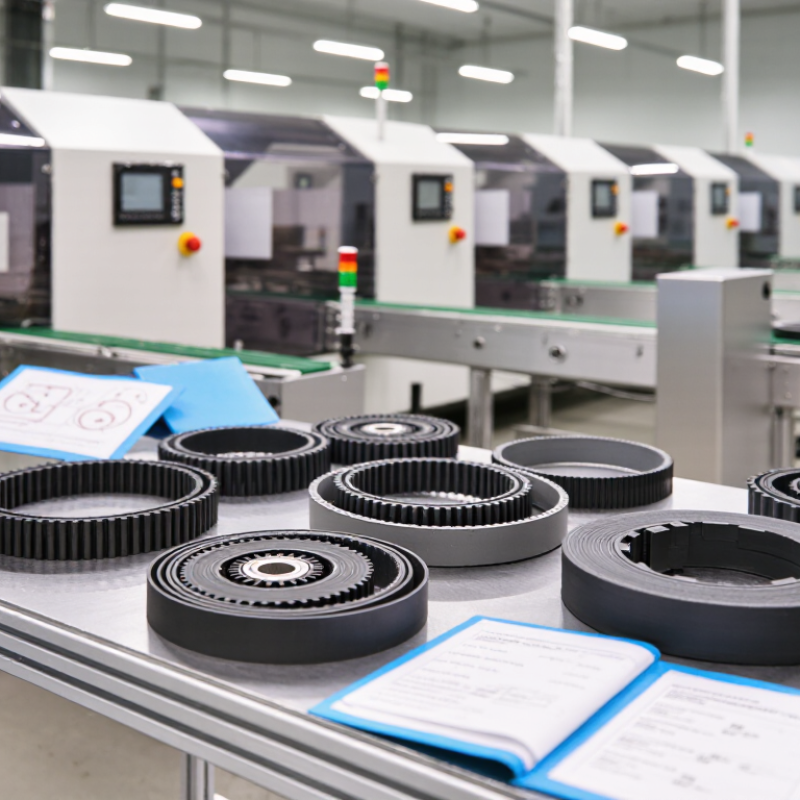
Who Are the China Top Rubber Timing Belt Suppliers?

What Are Rubber Timing Belts and Where Are They Used?

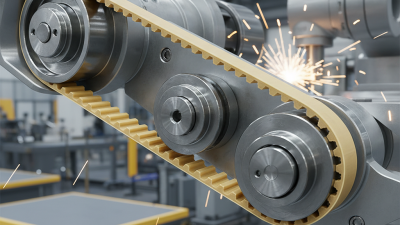
Rubber timing belts are toothed, flexible drive components that keep rotating parts synchronized. Their teeth mesh with matching pulley grooves, helping prevent slip during operation. Most combine a rubber body with internal tensile cords that resist stretching. The exact compound and cord material vary with heat, load, and operating speed.

You’ll find them in vehicle engines, where they coordinate crankshaft and camshaft movement. Industrial equipment also uses them in packaging machines, printers, and automated production lines. In these settings, accurate timing can matter more than high speed. A belt may look sound while its teeth or cords are wearing internally, so appearance alone is not a reliable check.

Tips: Check the equipment manual for belt dimensions and replacement intervals. Keep oil and grease away from the belt, and inspect for cracks, frayed edges, or missing teeth. Tension matters. Too loose can cause tooth skipping; too tight can strain bearings. When comparing suppliers, ask for material details and application guidance, not just a price. One detail is easy to overlook: the surrounding pulley condition affects belt life too.
How to Identify Leading Rubber Timing Belt Suppliers in China

Identifying a capable rubber timing belt supplier in China takes more than comparing prices or polished catalogs. Start with the belt’s intended use: pulley dimensions, operating temperature, exposure to oil, and expected load. Ask suppliers to explain their rubber compound and cord options in plain terms. Specific answers matter. A dependable supplier should also clarify tolerances and provide current inspection records, rather than relying on broad claims about quality.

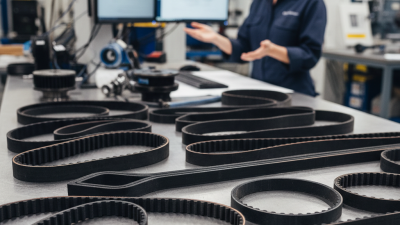
Request samples that match your actual specifications. Measure tooth pitch, belt width, and overall length, then check fit on the intended pulleys. Ask how production batches are tracked and which tests are performed, such as tensile or aging checks. Details matter. A single good sample is useful, but it cannot show whether every batch will be consistent. Request evidence from more than one production run when the order is important.

Pay attention to how the supplier handles technical questions and small problems. Clear drawings, written specifications, and realistic lead-time updates are stronger signals than quick promises. If a supplier cannot explain a mismatch or offers no corrective process, pause before placing a large order. I would not treat any one certificate or factory visit as proof by itself; records, samples, and follow-up communication should support one another. Ask why. Their answers can reveal whether they understand the application or are simply repeating sales language.

Which Chinese Suppliers Stand Out in the Market?

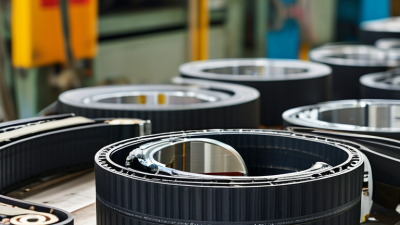
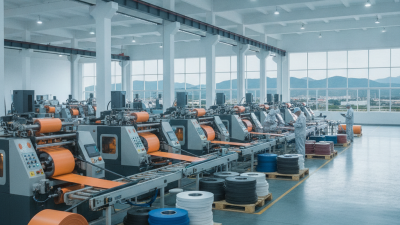
Chinese rubber timing belt suppliers stand out when engineering discipline matches production scale. Many established manufacturers in Zhejiang, Jiangsu, and Guangdong serve automotive, agricultural, and industrial equipment markets. The strongest candidates usually operate modern molding lines, inspect tooth geometry, and test tensile strength by batch. They also provide material options, including neoprene compounds, polyurethane, and fiberglass or aramid cords. Ask for measured pitch, hardness, temperature range, and oil-resistance data. Vague specifications are a warning sign.

Experience reveals details that brochures often hide. During supplier evaluations, request samples from different production dates, not only one polished set. Check tooth edges under magnification, belt flexibility after repeated bending, and packaging moisture protection. Reliable factories maintain lot codes and keep inspection records for several years. Certifications can support credibility, but they do not replace factory audits or application testing. A supplier may offer a low price and fast delivery, yet struggle with custom widths or stable tolerances. That matters.

Small details count. Ask how rejected belts are isolated. Confirm whether drawings require written approval before production. Review response times, replacement procedures, and technical support after delivery. Some suppliers communicate well but depend heavily on outside subcontractors. Others own more equipment but answer slowly. Neither profile is automatically better. The best choice depends on belt load, operating temperature, forecast volume, and tolerance requirements. Even experienced buyers can overlook noise testing or pulley alignment, which later becomes an expensive lesson.

How Do Suppliers Compare in Quality, Products, and Capacity?

Comparing China’s rubber timing belt suppliers requires more than checking product catalogs. Quality depends on consistent tooth dimensions, reinforced tensile cords, and rubber compounds suited to operating temperature. Ask for inspection records and sample belts; examine tooth edges, belt width, and surface finish. Small flaws matter. Product range also varies: some factories focus on standard profiles, while others handle custom lengths or special compound requirements. Capacity should be judged through realistic monthly output, lead times, and batch traceability—not a large factory photograph alone.

Tips: Request a sample, a material specification, and a recent quality report. Confirm how the supplier controls production changes. Numbers can mislead.

A capable supplier should explain its testing process clearly, including dimensional checks and aging or tensile tests where relevant. Compare quotations on matching specifications; a lower price may reflect different reinforcement or testing scope. Ask how peak orders affect delivery and whether production batches can be traced. I still find comparisons imperfect: public capacity figures rarely show actual utilization, and one strong sample cannot prove steady quality. Requesting consistent evidence is more useful than relying on polished claims.

What Should Buyers Check Before Choosing a Supplier?

A timing belt can look convincing on a catalog page and still fail to match the pulley or operating conditions. Buyers should confirm the belt profile, pitch, width, tooth count, and required length against a drawing or physical sample. Small differences matter. Ask what rubber compound and reinforcement are used, and whether they suit the expected temperature, load, and exposure to oil or dust. A supplier should explain these choices clearly, not just promise “high quality.”

Request samples and inspect tooth shape, belt width, surface finish, and flexibility. Ask for recent test records covering dimensions, tensile performance, and aging, plus a way to trace production batches. Check how the supplier controls mixing, molding, and final inspection; a written process is more useful than broad claims. Confirm minimum order quantities, lead times, packaging, and how defects are handled.

A factory visit or live production review can add useful context, but it cannot replace product testing. It is easy to overvalue a polished presentation. I would compare the sample with the actual application before placing a large order, because supplier claims and field performance do not always align.