Top Types of Machinery Belts for Optimal Performance in Industry?
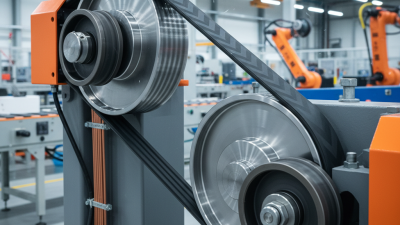
In industrial settings, the performance of machinery heavily relies on the right components. Among these, machinery belts play a critical role. They connect various parts, ensuring smooth operation and efficient power transmission. Selecting the proper type of machinery belt can significantly impact productivity.
Different machinery belts offer unique advantages. For instance, rubber belts provide flexibility and strength. On the other hand, timing belts ensure precise movements. Understanding these differences is key. Each type serves distinct needs based on the equipment and application.
Industry professionals often face challenges in choosing the right belts. Misalignments or incorrect types can lead to breakdowns. Therefore, awareness of machinery belts’ capabilities is essential. Proper selection and maintenance can enhance equipment lifespan. A well-chosen belt can make all the difference. Rethinking your current choices might be worth it.
Types of Machinery Belts Commonly Used in Industrial Applications
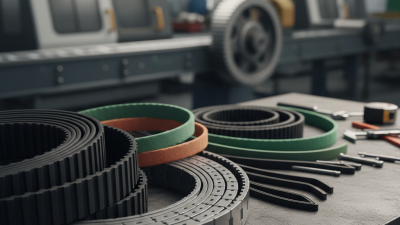
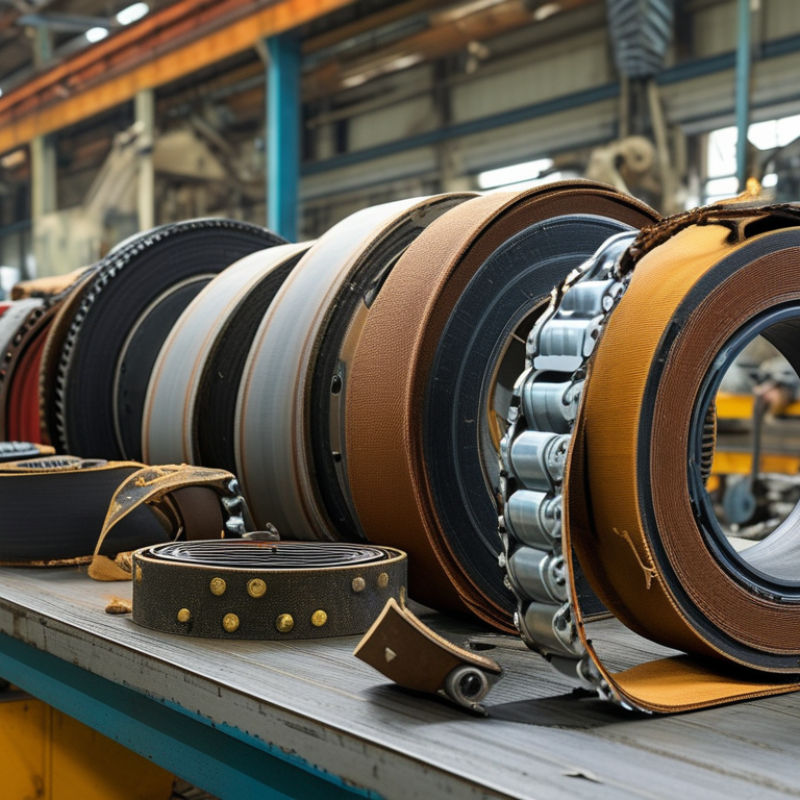
In industrial applications, machinery belts play a crucial role. They ensure the smooth operation of equipment across various sectors. Key types of belts include flat belts, V-belts, and synchronous belts. Each type has its unique advantages. According to a recent industry report, over 30% of energy losses in machinery can be attributed to inefficient belt systems.
Flat belts transmit power effectively over long distances. They are often used in conveyor systems. The average efficiency for flat belts can reach up to 95%. V-belts, however, are more common in small machines, offering higher friction and improved grip. Interestingly, they can operate in less-than-ideal conditions. At least 25% of maintenance issues in factories arise from worn-out V-belts.
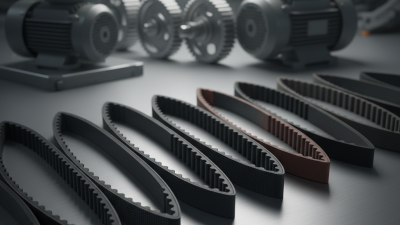
Synchronous belts provide precise motion control. They are widely employed in automation technology. These belts have a greater load capacity and better tensile strength. Data suggests that more than 40% of manufacturers prefer synchronous belts for their reliability. Yet, improper installation can lead to significant failures. Regular checks are necessary to maintain optimal performance.
Top Types of Machinery Belts for Optimal Performance in Industry
| Belt Type |
Common Applications |
Material |
Advantages |
| V-Belt |
Pumps, Fans, Compressors |
Rubber, Polyurethane |
High efficiency, Good grip |
| Flat Belt |
Conveyor Systems, Textile Machines |
Leather, Fabric, Rubber |
Flexible, Low friction |
| Timing Belt |
Robotics, Automobiles |
Rubber, Nylon |
Precise timing, No slippage |
| Chain Belt |
Heavy machinery, Conveyors |
Steel, Plastic |
High load capacity, Durable |
| Round Belt |
Food processing, Small Machinery |
Rubber, Polyurethane |
Lightweight, Quiet operation |
Understanding the Functionality of Different Machinery Belt Types
Machinery belts play a crucial role in various industrial applications. Understanding the functionality of these belts can enhance performance and efficiency. There are several types of belts, each serving specific needs. For instance, V-belts are ideal for transmitting power in tight spaces. Flat belts provide smooth operation across large distances. Timing belts ensure precise movement, crucial for machinery requiring synchronization.
Proper selection of belts affects overall productivity. A mismatch can lead to wear and tear. Regular maintenance is essential. Inspect belts for signs of fraying or cracking. Replace worn belts to avoid failures that can disrupt operations.
**Tip:** When selecting belts, consider the load capacity and speed requirements. This prevents unexpected breakdowns. Ensure alignment is correct to extend belt life.
Another factor is material choice. Rubber belts offer flexibility, while polyurethane belts are resistant to chemicals. Understanding these materials helps in making informed decisions.
**Tip:** Keep a log of belt performance and maintenance. This provides data for future purchases and helps identify patterns in wear. Such insights can lead to continuous improvement in operations.
Top Types of Machinery Belts for Optimal Performance in Industry
Key Factors Influencing Belt Selection for Optimal Performance
When selecting machinery belts, several key factors come into play.
The type of application is crucial. Different tasks require different belt types.
Some industries need heavy-duty belts, while others benefit from lighter options.
The environment also matters. Conditions like temperature and
humidity affect belt performance.
Selecting the right material is essential for longevity.
Load capacity is another critical factor. Belts must handle the weight they will carry.
Too much load can lead to premature failure.
The speed at which the machinery operates can influence belt choice.
High-speed setups often require specialized belts to prevent slippage or overheating.
Finally, consider maintenance requirements. Some belts demand frequent inspections,
while others may operate effectively with minimal oversight.
It’s essential to recognize that every application is unique.
Reflecting on past experiences can guide better decisions in belt selection.
Finding the right balance between all these factors is a continuous process,
requiring adaptation and foresight.
Maintenance Practices for Enhancing Machinery Belt Lifespan
Maintaining machinery belts is essential for optimizing performance in industrial settings. Proper upkeep can extend the lifespan of belts significantly. According to the Reliability Analysis Center, 70% of machinery failures are due to maintenance neglect. Regular inspection can help catch problems early, reducing costly downtime.
Temperature fluctuations can affect belt materials. The ideal operating temperature is often around 70°F. Excess heat can degrade belts, leading to premature failure. Using infrared thermometers can help monitor these temperatures effectively. Additionally, proper tensioning is crucial. Improper tension can reduce belt life by up to 50%, as stated in a report by the American Society of Mechanical Engineers.
Lubrication practices also require careful consideration. Too much or too little lubricant can cause slippage or wear. A balanced approach, focusing on the manufacturer’s recommendations, ensures belts perform optimally. Data shows that belts have an average lifespan of 1,500 to 5,000 hours, depending on usage. Finding that sweet spot involves regular checks and adjustments, as well as employee training on best practices.
Comparison of Performance Metrics Among Various Belt Types
When evaluating different types of machinery belts, performance metrics play a crucial role. Each belt type offers unique advantages and limitations. For example, rubber belts provide flexibility and resilience. They excel in environments with dynamic movements and variable loads. However, their durability may fall short in high-temperature settings.
On the other hand, metal belts are known for their strength and longevity. They can withstand harsh conditions without significant wear. Yet, they can be rigid, which might limit their application in certain machinery. Polyurethane belts strike a balance between flexibility and durability. They are often used in industries requiring both precision and reliability.
Establishing the right type of belt is not solely about metrics. Consideration of specific operational environments is vital. The nuances in performance can be influenced by factors such as friction, temperature, and load capacity. Choosing a belt requires testing and analysis. Optimal performance comes through understanding both the advantages and shortcomings of each belt type. This reflection on application context can enhance operational efficiency in the long run.