Overview of China Top Aluminum Timing Belt Pulleys Market Trends and Innovations
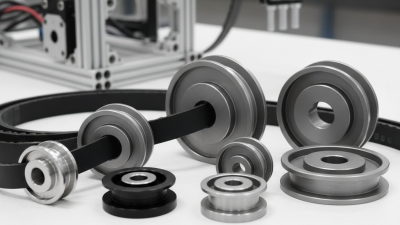
The aluminum timing belt pulleys market in China showcases substantial growth and innovation. These components play a crucial role in various industries, driving efficiency and performance. As companies prioritize lightweight yet durable materials, aluminum has emerged as a preferred choice.
The demand for aluminum timing belt pulleys is influenced by advancements in technology and manufacturing processes. Enhanced production techniques have led to better precision and reliability. However, challenges remain, such as fluctuating raw material costs and competition with alternative materials.
This dynamic landscape necessitates continuous adaptation from manufacturers. Innovations in design and application are essential for staying ahead. Companies must also remain vigilant about quality standards and consumer preferences. Overall, the aluminum timing belt pulleys market presents both opportunities and obstacles that require thoughtful approaches.
Market Overview of Aluminum Timing Belt Pulleys in China
The aluminum timing belt pulleys market in China is experiencing notable growth. Recent reports indicate that the market size reached approximately $200 million in 2022, with a compound annual growth rate (CAGR) of 5% expected until 2028. This growth reflects the increasing demand for lightweight and durable components in automotive and industrial applications.
Innovations in manufacturing processes are enhancing the performance of aluminum timing belt pulleys. The adoption of advanced alloys and precision machining techniques has improved strength and durability. Manufacturers are focusing on reducing weight while maintaining performance standards. This innovation helps in fuel efficiency and reduces carbon footprints. Additionally, advancements in 3D printing technology are becoming relevant in creating custom designs.
While the outlook is positive, challenges remain. Some manufacturers still struggle with the high costs associated with advanced materials. Moreover, quality control can vary significantly across suppliers. Ensuring consistency can be a challenge. As the market evolves, addressing these issues will be crucial for sustainable growth.
Key Trends Shaping the Chinese Aluminum Timing Belt Pulley Market
The Chinese aluminum timing belt pulley market is evolving rapidly. An industry report indicates that the market is expected to grow at a CAGR of 5.2% from 2023 to 2028. Increasing demand in automotive and manufacturing is driving this growth. The light weight and durability of aluminum make it a preferred choice in these sectors.
Innovation is a key trend shaping the industry. Companies are focusing on advanced manufacturing techniques, including CNC machining and 3D printing. These methods enhance precision and reduce waste. As a result, new designs and improved performance are emerging. Recent studies highlight that 40% of manufacturers are investing in R&D to develop innovative pulley designs.
The influence of sustainability cannot be overlooked. Many companies are adopting eco-friendly practices in production. Reports show that about 60% of market players integrate recycled materials in their offerings. This trend reflects a growing consumer preference for sustainable products. However, challenges remain in balancing cost and environmental impact. The future success of the market will depend on addressing these concerns effectively.
Innovations Driving Performance and Efficiency in Timing Belt Pulleys
The aluminum timing belt pulleys market in China is experiencing significant changes. Innovations are at the forefront, enhancing performance and efficiency. New materials and manufacturing techniques are crucial. Recent reports indicate that pulleys made from advanced aluminum alloys can increase durability by up to 30%. This is vital for industries demanding reliability.
The integration of precision engineering is another key trend. High-grade machining processes improve the fit and reduce friction. A study showed that optimized designs can lead to a 15% increase in overall efficiency. Manufacturers are increasingly focusing on lightweight designs. Light pulleys support higher speeds and lower energy consumption.
Nonetheless, challenges remain. Not all manufacturers adopt these innovations. Some still rely on outdated practices, limiting their competitiveness. Companies must reflect on these gaps. Failure to innovate could lead to diminished market presence. Continuous improvement is essential for staying relevant in this evolving landscape.
Overview of China Top Aluminum Timing Belt Pulleys Market Trends and Innovations
| Dimension |
Current Trends |
Innovations |
Performance Metrics |
| Material Strength |
Increased use of higher-grade aluminum |
Advanced alloy compositions for weight reduction |
30% increase in load-bearing capacity |
| Manufacturing Process |
Adoption of automated CNC machining |
Integration of AI in production lines |
15% reduction in production time |
| Surface Treatment |
Rise in demand for anodized finishes |
Improved anti-corrosion technology |
25% increase in lifespan |
| Market Growth |
Expansion into automotive and machinery sectors |
Development of eco-friendly materials |
Projected 10% annual growth rate |
Competitive Landscape: Major Players in China's Aluminum Pulley Market
In the competitive landscape of China's aluminum timing belt pulley market, several key players dominate the industry. Recent reports indicate that the market is expected to grow at a CAGR of over 7% from 2023 to 2028. This growth is fueled by increasing demands for lightweight and durable materials in automotive applications. The trend towards electric vehicles has further accelerated the need for efficient pulleys.
A significant portion of the market is driven by technological innovations. Companies are focusing on producing pulleys that not only reduce weight but also enhance performance. High precision and reduced friction are critical features in this sector. For instance, automation in manufacturing processes has improved accuracy and consistency. However, not all manufacturers have successfully adopted these innovations, leading to disparities in quality.
Tips: Investing in training can enhance workforce skills. Regular updates on industry standards can keep manufacturers competitive. Quality audits help identify areas for improvement. The competitive landscape is not without challenges. Many companies struggle to balance cost and quality in their products. Consumer expectations are rising, and this pressure can lead to rushed production. It's crucial for businesses to continuously reassess their strategies to avoid pitfalls in a rapidly evolving market.
Future Projections for the Aluminum Timing Belt Pulley Industry in China
The aluminum timing belt pulley industry in China is experiencing significant growth and innovation. With increasing demand for lightweight materials in automotive and industrial applications, aluminum pulleys are becoming a preferred choice. Future projections indicate that this trend will continue, driven by advances in manufacturing technology and material science.
Innovations in production methods are enhancing the performance of aluminum timing belt pulleys. Companies are investing in high-precision machining and advanced alloys. These developments lead to pulleys that offer improved durability and reduced weight. Light-weighting strategies are essential for energy efficiency in many sectors, particularly in electric vehicles.
Tips: When sourcing aluminum timing belt pulleys, consider the material composition. It plays a crucial role in performance and longevity. Look for suppliers with a proven track record in the industry. Always validate the technical specifications before making a purchase. Monitoring the latest trends can also provide insights into future developments.