Best Rubber Timing Belt Options for Your Global Sourcing Needs?
In today's manufacturing landscape, selecting the right Rubber Timing Belt is crucial for operational efficiency. Data from the Global Timing Belts Market report indicates that the demand for rubber timing belts is projected to grow by 7% annually. This growth reflects the increasing reliance on durable and reliable power transmission components across various industries.
Expert Dr. Helena Choi, a noted authority in mechanical engineering, emphasizes, "The quality of a rubber timing belt directly impacts the lifespan of the machinery." Her insights shed light on the importance of sourcing top-tier materials for optimal performance. To navigate the complexities of global sourcing, it's essential to consider factors like material quality, manufacturing standards, and supplier reliability.
However, challenges remain. Sourcing discrepancies can lead to performance failures. Many manufacturers face dilemmas in balancing cost and quality, affecting their production line efficiency. Companies must invest time in research and collaboration with reputable suppliers. This approach can mitigate risks and enhance the overall quality of Rubber Timing Belts in their systems.

Overview of Rubber Timing Belts and Their Importance
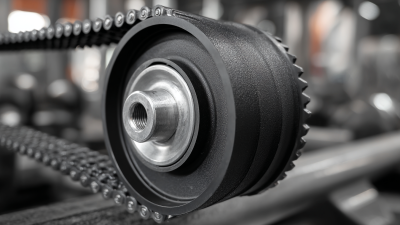
Rubber timing belts play a crucial role in various mechanical systems.
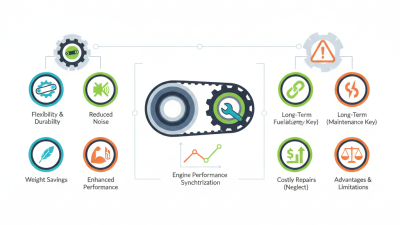
They synchronize the movement of engine components, ensuring optimal performance. Without these belts, engines could face
misalignments, leading to mechanical failure. Their material composition
contributes to durability and resistance against wear. This makes
them essential in automotive, industrial, and manufacturing applications.
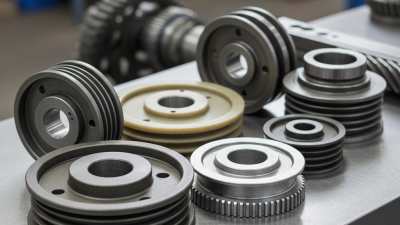
When selecting rubber timing belts for global sourcing, consider their specifications carefully. Look for belts that meet
your operational requirements. Pay attention to belt width,
length, and tooth profile.
These factors significantly impact compatibility with existing systems. Always prioritize
reliability over cost, as low-quality belts can lead to costly downtime.
Tips for sourcing rubber timing belts include evaluating supplier credentials. Research their experience in the industry.
Ensure they have a proven track record of delivering quality products. Additionally, testing sample belts before large-scale
procurement helps identify potential issues. Keep in mind that modifications
might be necessary to fit unique applications. Making informed decisions today can prevent problems in the long run.
Key Factors to Consider When Sourcing Rubber Timing Belts
When sourcing rubber timing belts, understanding their composition is crucial. Quality materials ensure longevity and performance. Look for belts made from high-grade rubber compounds. These materials resist heat, wear, and stretching over time. Regular usage can cause degradation. Therefore, evaluating the construction of the belt is essential for long-term reliability.
Another factor is the belt's specifications. Dimensions are key. A mismatch can lead to operational failure. Ensure the belt fits perfectly within your machinery. Consult technical documents or seek advice from experts. Additionally, consider the environment where the belt will operate. Extreme temperatures or exposure to chemicals can impact performance.
Supplier expertise also matters. Choose suppliers with a proven track record. Their experience can guide you in selecting the right belt for specific applications. Be cautious of overly low prices. They often indicate compromised quality. Establish clear communication with potential suppliers to address any concerns. It’s okay to ask difficult questions about their manufacturing processes and quality control.
Best Rubber Timing Belt Options for Your Global Sourcing Needs
Comparative Analysis of Rubber Timing Belts Materials and Specifications
When selecting rubber timing belts, understanding the materials and specifications is essential. Various rubber compounds exist, including neoprene, polyurethane, and silicone. Each material offers unique benefits. Neoprene is known for its durability and resistance to wear. Polyurethane is flexible and offers higher tensile strength. Silicone belts perform well under extreme temperatures but may not be suitable for all applications.
Not all rubber timing belts are created equal. Consider factors like load capacity, temperature range, and environmental conditions. A belt designed for high-temperature environments will differ significantly from one used in a cold setting. Ensure that you match the belt type to your specific needs to avoid costly failures.
Tips: Always review manufacturer specifications to understand the limitations of each material. Conduct a small-scale test in real conditions before full implementation. Keep records of performance and any issues encountered for future sourcing decisions. Make adjustments based on these findings to optimize your selection process. This approach emphasizes the importance of adaptation and thorough evaluation in sourcing timing belts authentically.
Industry Applications of Rubber Timing Belts in Various Sectors
Rubber timing belts play a crucial role in various industry applications. They are essential in automotive engines, where they synchronize the crankshaft and camshaft. This synchronization ensures that engine valves open and close at the right time, improving overall performance. Using high-quality rubber materials enhances durability, which is vital in vehicles facing continuous stress.
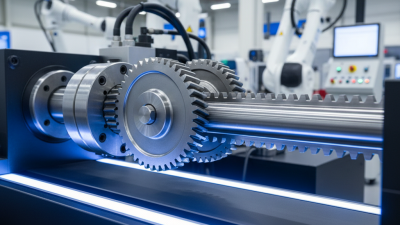
In the manufacturing sector, rubber timing belts drive machinery and conveyor systems. They facilitate smooth operation in assembly lines. However, improper installation can lead to premature wear or failure. Regular inspections are necessary to prevent unexpected breakdowns. Belts need to be properly tensioned; otherwise, slippage may occur.
The robotics industry also relies on rubber timing belts for precision movement. They provide accurate positioning and speed control in robotic arms. However, environmental factors can affect belt performance, leading to potential issues over time. Manufacturers must consider these factors when sourcing rubber timing belts for specific applications.