2026 Top Flat Belt Types for Global Buyers Needs?
In the fast-evolving world of industrial materials, Flat Belt technology plays a crucial role. The demand for various Flat Belt types is growing, driven by diverse applications across industries. From manufacturing to logistics, Flat Belts are essential for efficient operations.
Understanding the need for top Flat Belt types can be challenging. Global buyers must navigate a complex market to find suitable options. Each type of Flat Belt offers unique features, affecting durability and performance. Selecting the right one requires knowledge and careful consideration.
As we look towards 2026, identifying the top Flat Belt types becomes vital. Buyers must consider not only the material but also the environmental impacts. Analysis of current trends is essential for making informed decisions. Awareness of emerging technologies can enhance buyer expertise. Challenges abound, but with a proactive approach, buyers can confidently meet their Flat Belt needs.
Overview of Flat Belt Types in the Global Market
The global market for flat belts continues to evolve, driven by various industries' unique needs. Flat belts are vital in manufacturing, automotive, and logistics. According to a recent industry report, the global flat belt market is projected to reach $9.1 billion by 2026, with a compound annual growth rate (CAGR) of 4.5%.
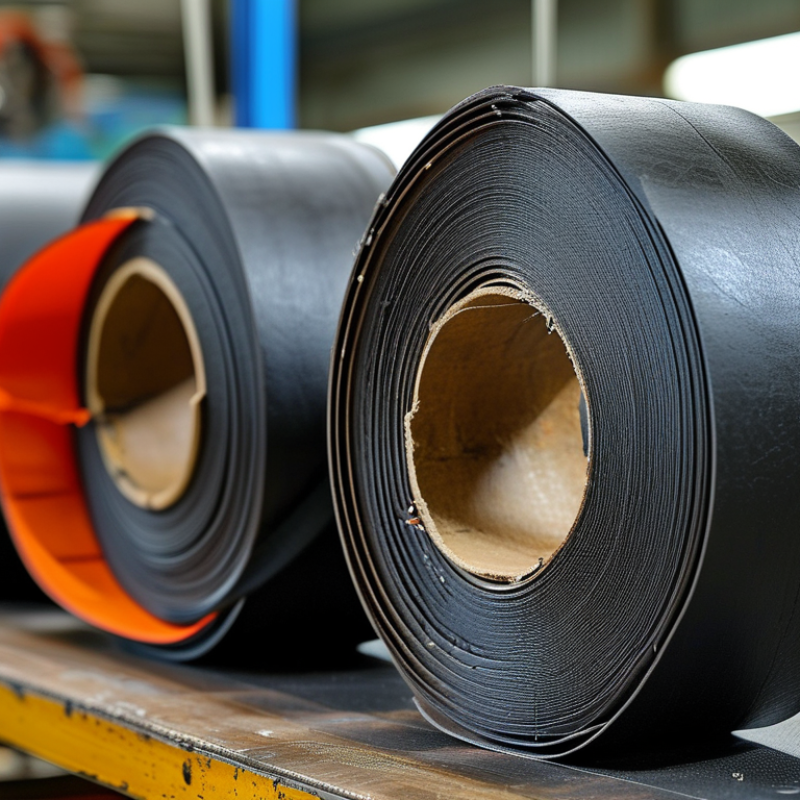
There are several types of flat belts available, including rubber, polyurethane, and leather belts. Rubber belts dominate the market due to their durability and flexibility. These belts excel in high-tension applications. Polyurethane belts are gaining traction for their resistance to abrasion and chemicals. Leather belts remain popular in specific craft industries, albeit with a shrinking market share. The choice of material often influences performance and lifespan.
Despite advancements, issues such as misalignment and wear remain prevalent. These factors can significantly impact efficiency and safety. Users must consider the specific application and operating conditions when selecting a flat belt type. Many reports highlight the importance of regular maintenance to prolong belt life. Setting realistic expectations for performance is crucial. Making educated decisions can ultimately enhance productivity and reduce downtime.
Key Characteristics of Top Flat Belt Types for Buyers
When exploring the top flat belt types for global buyers, several key characteristics emerge. These belts vary in materials and applications, catering to diverse industrial needs. For instance, polyurethane belts are known for their durability and flexibility. They can handle temperature fluctuations well, making them ideal for various environments. The surface texture also plays a crucial role, with options ranging from smooth to textured. This affects the grip and material transfer capabilities of the belts.
Another critical factor is the tensile strength. Buyers often seek belts that can withstand high loads without stretching. Additionally, maintenance requirements can vary significantly between types. Some belts require regular lubrication, while others are maintenance-free. Buyers must weigh these factors based on their specific operational conditions. Not all belts are created equal. Some may excel in one area but lag in another, necessitating careful consideration during selection. Potential issues such as wear and tear also warrant reflection. Balancing performance, cost, and longevity is key to making informed purchasing decisions.
Applications and Industries Utilizing Flat Belts
Flat belts play a crucial role across many industries. They are commonly used for transportation and power transmission in factories. Flat belts are versatile and can handle various loads efficiently. Their applications span from automotive to agricultural sectors. The flexibility of flat belts allows them to adapt to different machinery needs.
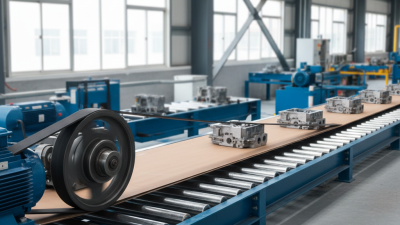
In manufacturing, flat belts transfer power between pulleys effectively. They are often found in conveyor systems. These systems are essential for moving products in a streamlined manner. In agriculture, flat belts help in harvesting and processing crops. They must withstand environmental factors, making durability essential.
Tips: Choose the right belt width for your needs. A wider belt can handle more weight but might be less flexible.
Regular maintenance is vital for extending the lifespan of flat belts. Check for wear and tear periodically. This practice can prevent unexpected breakdowns and ensure smooth operation.
Understanding the right flat belt for specific applications can be challenging. Many factors influence the choice, including load capacity and speed. Proper research is crucial before making a decision.
2026 Top Flat Belt Types for Global Buyers Needs
This chart displays the projected market demand for various types of flat belts in 2026, highlighting the units sold for each type. As seen, rubber belts lead in demand, followed closely by polyurethane and PVC belts.
Comparative Analysis of Flat Belt Materials and Durability
In the evolving landscape of flat belts, material choice greatly influences durability and performance. According to the "Global Conveying Belt Market Analysis 2023" from an industry research firm, the most common materials are rubber, polyurethane, and PVC. Rubber belts excel in flexibility and abrasion resistance, making them suitable for heavy-duty applications. However, they may degrade faster in high-temperature environments.
Polyurethane belts are gaining traction due to their superior resistance to wear and tear. A 2022 study indicated that polyurethane belts can last up to 30% longer than rubber under similar conditions. Still, they may be more expensive upfront, prompting buyers to weigh initial costs against lifecycle value. It's critical to evaluate specific applications. For example, stainless steel carcass belts are ideal for food processing but might not be suitable for heavy industrial use.
The reliability of flat belts heavily relies on the conditions they operate in. Temperature fluctuations and exposure to chemicals can compromise belt integrity, regardless of the material. Regular maintenance is essential. This includes checking for signs of fraying or wear. The industry continues to explore new composites that enhance longevity. Yet, many users remain unaware of the impact their operating environments have on belt lifespan. The need for deeper understanding is evident in the marketplace.
Trends and Innovations in Flat Belt Technology for 2026
As we approach 2026, the flat belt technology sector is experiencing remarkable evolution. With increasing demands across industries, innovative materials are being developed. According to a recent market analysis by Grand View Research, the global flat belt market is projected to reach USD 5.3 billion by 2026, growing at a CAGR of 3.5%. Such growth highlights a clear shift towards more efficient and durable belt solutions.
One key trend is the rise of eco-friendly materials. Manufacturers are focusing on sustainable solutions that lower environmental impact. For example, many are investing in belts made from biodegradable polymers. This change aligns with global sustainability goals and is crucial for industries that prioritize green practices. Furthermore, advancements in belt design are enhancing performance. Power transmission efficiency is improving due to precision engineering and innovative manufacturing techniques.
However, challenges remain. Not all innovations lead to immediate efficiency gains. Some new materials still require extensive testing for durability. Buyers need to balance innovation with proven reliability. Understanding these trends will help global buyers make informed decisions in the evolving landscape of flat belt technology.