Endless Flat Belt Tips for Optimal Performance and Durability?
The use of Endless Flat Belt systems is crucial for many industries. These belts enable efficient power transmission and enhance machine performance. According to industry expert John Smith, “An Endless Flat Belt can make or break your machinery’s efficiency.” This statement highlights the importance of proper selection and maintenance.
Endless Flat Belts are known for their durability and strength. However, there are subtle factors that can affect their longevity. For instance, environmental conditions such as temperature and humidity play a role. Choosing the right material is essential to avoid premature wear.
Mistakes can happen in the selection process. Some may overlook application specifics, leading to inefficiencies. It's vital to assess operational needs carefully. A little reflection on past choices can lead to better decisions in the future. An Endless Flat Belt is not just a component; it’s a crucial element for optimal performance.
Endless Flat Belt Materials: An Overview of Common Choices and Their Properties
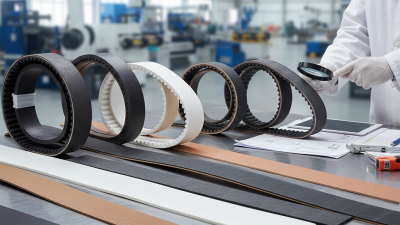
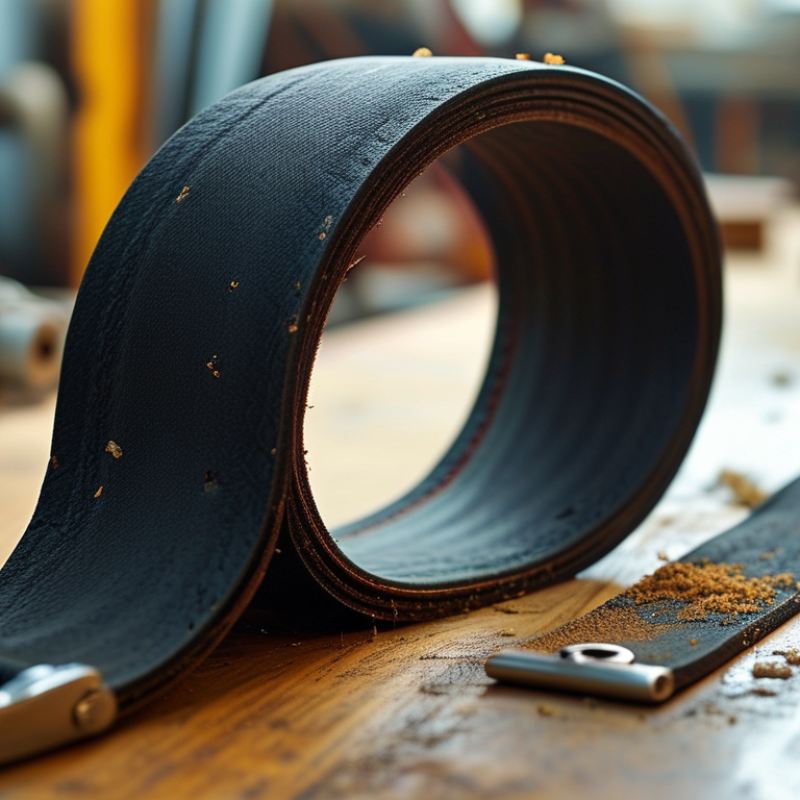
When considering materials for endless flat belts, it’s vital to understand their properties. Common materials include rubber, polyurethane, and various fabrics. Rubber belts offer flexibility and grip, making them popular in many industries. Polyurethane belts are known for their durability and resistance to wear and tear. Fabric belts provide excellent flexibility, but may lack the strength of rubber or polyurethane.
Choosing the right material is crucial for optimal performance. Rubber belts may degrade under harsh conditions. Polyurethane might become brittle over time, particularly in extreme temperatures. Fabric belts can stretch and lose shape. It’s essential to assess the specific application needs and environmental factors before making a choice.
Here are a few tips for maintaining optimal performance:
- Regularly clean the belts to prevent wear.
- Monitor the temperature and humidity of the environment.
- Adjust tension to reduce slippage and ensure a secure fit.
- Consider periodic inspections for early detection of wear signs.
Balancing these elements will enhance the durability of endless flat belts significantly.
Key Performance Factors: Tension, Friction, and Surface Texture in Belts
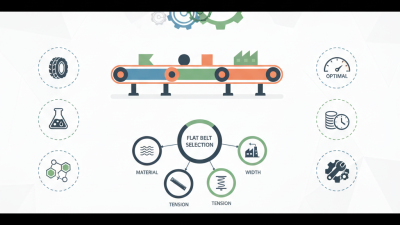
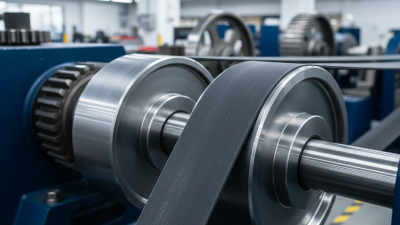
Flat belts are crucial in many industrial applications. Their performance largely depends on three key factors: tension, friction, and surface texture. Proper tension is vital. It ensures that the belt adheres to pulleys efficiently. However, too much tension can lead to premature wear. Finding the right balance is essential for optimal durability.
Friction affects how well a belt transfers power. Increased friction can improve grip, but it also leads to heat generation. This heat can degrade materials over time. Understanding the materials used in belts can aid in selecting the right type for specific tasks. Surface texture also plays a significant role. A smoother surface can reduce friction but might slip under heavy loads. Conversely, a textured surface provides better grip but can wear out faster.
To enhance performance, consider routine inspections. Look for signs of wear and adjust tension as needed. Regular maintenance is often overlooked. This can lead to unexpected failures and costly downtime. While there is no one-size-fits-all solution, evaluating these factors ensures better performance and durability in flat belt applications.
Maintenance Tips for Prolonging the Life of Endless Flat Belts
Endless flat belts play a vital role in various machines. Proper maintenance is essential to extend their lifespan. Over time, wear and tear can significantly impact performance. Regular inspections can help identify potential issues early, preventing costly replacements.
Tips for maintaining flat belts include checking tension levels regularly. A belt that is too tight can cause excessive wear. Conversely, a loose belt can slip and damage components. Adjustments should be made as necessary to ensure optimal performance.
Cleaning is another critical aspect. Dust and debris can accumulate on the belt's surface. This can lead to reduced friction and slippage. Use a soft cloth to wipe the belt occasionally. Additionally, avoid exposing the belts to harsh chemicals. These can degrade the material over time. Proper storage also matters. Keep belts in dry, cool conditions to prevent deterioration. Regular maintenance can greatly enhance the durability of endless flat belts.
Endless Flat Belt Performance and Durability
Common Failure Modes: Identifying and Preventing Wear and Damage
Endless flat belts are vital in various industries, but they face significant wear and damage risks. Understanding common failure modes can help organizations enhance performance and durability. According to recent industry reports, about 30% of belt failures result from improper tension and alignment. This misalignment leads to uneven wear, drastically shortening the belt lifecycle.
A common issue is material degradation caused by environmental factors. Heat, moisture, and dust can weaken the belt material, making it less effective. Regular inspections and maintenance are essential. Implementing a routine check can catch early signs of wear. Sometimes, using infrared thermography can detect overheating spots on belts, preventing unexpected failures.
Here are a few quick tips for optimal belt performance. Keep the operating environment clean to reduce the wear rate. Ensure proper alignment during installation to avoid extra strain. Finally, consider periodic lubrication where applicable. Each of these actions can significantly boost the lifespan of the belts. Addressing these common failure modes will lead to greater efficiency.
Industry-Specific Applications: Optimal Belt Selection for Various Environments
Selecting the right flat belt for specific industry applications is crucial. In environments such as food processing, belts must meet strict hygiene and durability requirements. A study by the International Conveyor and Transmission Association indicates that 70% of conveyor belt failures occur due to improper material selection. These failures can lead to costly production downtimes.
In chemical processing, resistance to corrosive substances is vital. A report from the Chemical Engineering Magazine notes that belts made from specialized materials can withstand extreme chemical exposure, reducing breakdowns by up to 40%. Conversely, neglecting material specifications can compromise safety and increase maintenance costs.
Moreover, in the mining industry, heavy loads create different challenges. Data from the Mining Equipment Manufacturers Association highlights that choosing the right belt can enhance efficiency by 20% and extend the belting life. Each sector requires unique considerations, and a one-size-fits-all approach may lead to inefficiencies. It's essential to assess each application’s specific needs carefully.
Endless Flat Belt Tips for Optimal Performance and Durability - Industry-Specific Applications: Optimal Belt Selection for Various Environments
| Industry |
Belt Type |
Optimal Performance Characteristics |
Durability Factors |
Environment Conditions |
| Manufacturing |
Polyester Flat Belt |
High tension resistance, low stretch |
Heat resistance, minimal wear |
Dry, controlled temperature |
| Food Processing |
FDA Approved Modular Belt |
Easy cleaning, high hygiene standards |
Corrosion resistance, high durability |
Wet, high humidity |
| Mining |
Steel Cord Belt |
High tensile strength, impact resistance |
Heavy abrasive materials, long lifespan |
Rough, outdoor conditions |
| Textiles |
Cotton Flat Belt |
Good flexibility, moderate strength |
Wear resistance, easy installation |
Dry, controlled environment |
| Automotive |
Rubber V-Belt |
Excellent grip, shock absorption |
Oil resistance, high temperature tolerance |
Varied temperatures, humid conditions |