2026 How to Select the Best Endless Flat Belt for Your Needs?
Choosing the right Endless Flat Belt is crucial for optimal performance. This decision impacts productivity and equipment lifespan. With various options available, understanding your needs is essential. Endless Flat Belts come in different materials, sizes, and designs. Each variation serves specific applications, making selection vital.
When selecting an Endless Flat Belt, consider your machinery and operational environment. Factors like load capacity, temperature, and surface texture play a significant role. Missteps in this process can lead to inefficiencies. You may face increased wear and tear if the chosen belt does not align with your requirements.
Research and expert advice can guide you. Not all belts are created equal; some may not withstand specific conditions. Reflect on your unique situation and ask questions. An informed choice will yield better results. Prioritize reliability and compatibility for the best outcomes.
Understanding Endless Flat Belts: Types and Applications
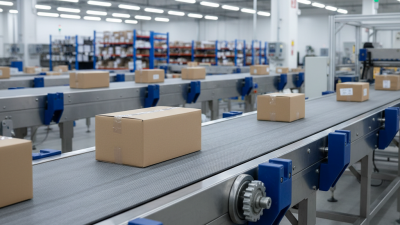
Endless flat belts serve critical functions in various industries. They are vital for conveying materials, driving machinery, or transferring power. Understanding their types and applications can enhance operational efficiency. According to a report by Allied Market Research, the global conveyor belts market is expected to reach $8.15 billion by 2027, highlighting the increasing demand for such components.
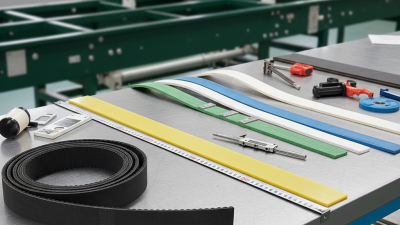
There are several types of endless flat belts, each tailored for specific applications. For instance, rubber belts are commonly used in manufacturing due to their durability. Conversely, fabric belts are ideal for light-duty tasks, providing flexibility and weight reduction. Data from Technavio indicates that the industrial segment is undergoing significant growth, accounting for over 30% of the market share. Selecting the right material and construction type is crucial, as it directly impacts performance and longevity.
Deciding on the best fit requires thorough analysis. Factors such as load capacity, operating environment, and speed play pivotal roles. Measuring the right belt length and width can be tricky and may require a revisit if initial estimates are incorrect. In some cases, maintenance practices may also need reevaluation to ensure belts perform optimally over time. Exploring the latest innovations in belt technology can also inform better choices moving forward.
2026 How to Select the Best Endless Flat Belt for Your Needs?
This chart illustrates the various types of endless flat belts and their applications across different industries. Understanding the common uses and attributes of each type can help you make more informed decisions when selecting the best endless flat belt for your specific needs.
Key Factors to Consider When Selecting Endless Flat Belts
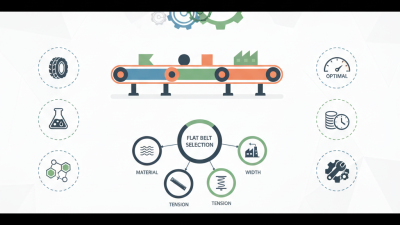
Selecting the right endless flat belt is crucial for many applications. One key factor to consider is the material of the belt. Different materials, like rubber or polyurethane, offer various strength levels and flexibility.
Evaluate the environment where the belt will operate. Will it face extreme temperatures, chemical exposure, or moisture? Each condition can significantly affect the belt's performance.
Another important aspect is the belt's width and thickness. A wider belt may distribute load better, while a thicker belt can handle heavier weights. However, increasing thickness might limit flexibility.
Think about the machinery involved. Does it require precision alignment, or is there room for adjustment? This detail can impact the effectiveness of the belt.
Finally, the belt's design plays a role in its functionality. There are different patterns and profiles available to meet specific needs. A flat surface might provide a smooth operation, while textured surfaces can enhance grip.
It can be enlightening to assess how these factors affect your machinery's efficiency.
Reflect on the trade-offs between durability and cost. A more expensive belt could save you maintenance time and resources in the long run.
Material Characteristics for Optimal Performance
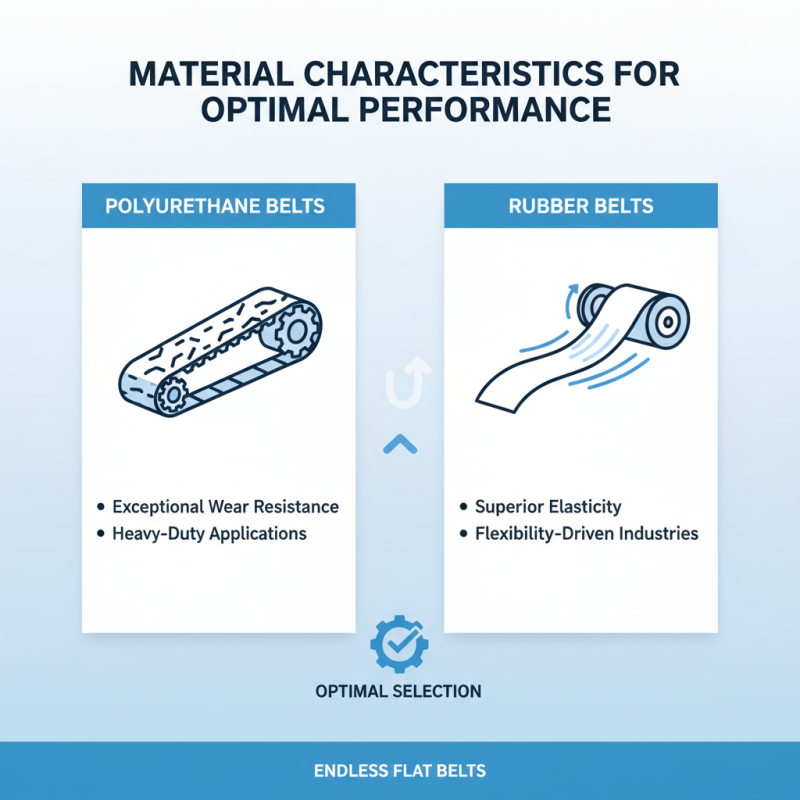
Selecting the right endless flat belt involves understanding material characteristics. Various materials exhibit unique properties that directly impact performance. For instance, polyurethanes offer excellent wear resistance, making them suitable for heavy-duty applications. In contrast, rubber belts provide better elasticity, which is crucial in industries requiring flexibility.
According to a recent industry report, 70% of manufacturers prefer belts made from nylon for their strength and lightweight characteristics. However, nylon may not perform well in high-temperature environments. This limitation can lead to premature failure, emphasizing the need for careful selection based on operational conditions.
Environmental conditions play a significant role too. For instance, belts used in wet or oily conditions often require specialized materials to ensure longevity and efficiency. Users sometimes overlook these factors, leading to increased downtime and additional costs. Understanding the specific requirements of your application can enhance productivity and reduce waste. The implications of material choice are profound; small oversights can compromise entire systems.
Sizing and Compatibility: Ensuring a Proper Fit
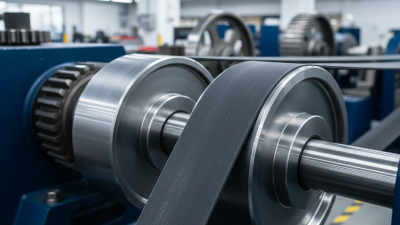
When selecting an endless flat belt, sizing and compatibility are critical factors. A belt that is too loose or tight can lead to inefficiencies. Measure the pulleys' diameter accurately. This will help ensure the belt fits snugly around them. Consider the type of materials in both the belt and the machinery. Different combinations can affect performance.
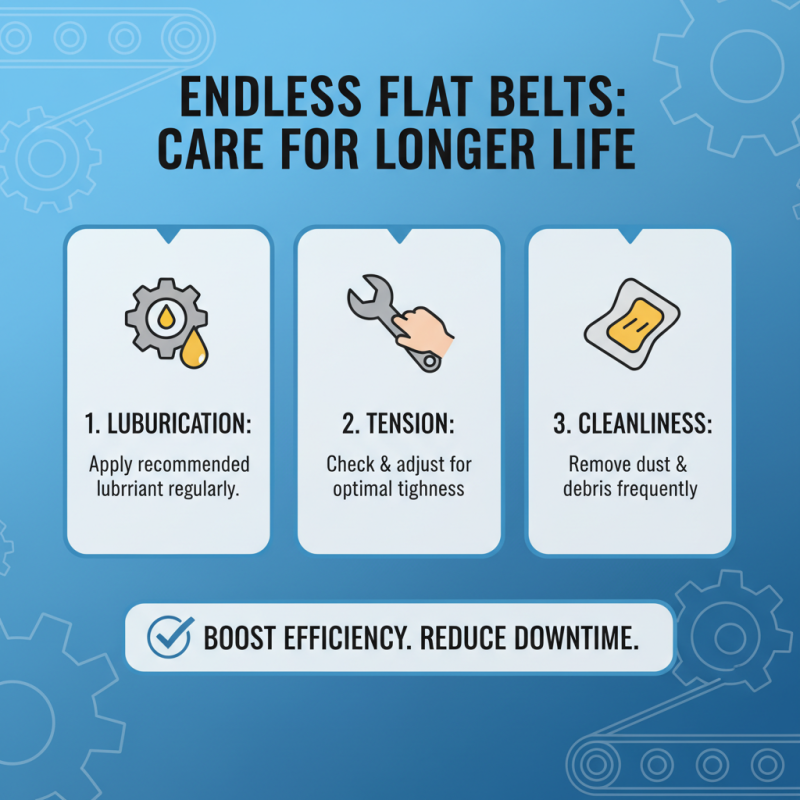
Installation is often overlooked. A poorly installed belt can cause excessive wear. Make sure to follow guidelines for tensioning. Too much tension can lead to slippage. Insufficient tension may prevent proper operation. Pay attention to the alignment of the pulleys. Misalignment can lead to premature failure.
Compatibility with machinery also extends to operational environments. High temperatures or exposure to chemicals can degrade certain belt materials. Test under real operational conditions whenever possible. Perform routine checks to ensure ongoing compatibility. Reflection on past installations may reveal patterns of issues. Learning from these experiences can save time and costs in future configurations.
2026 How to Select the Best Endless Flat Belt for Your Needs? - Sizing and Compatibility: Ensuring a Proper Fit
| Belt Width (inches) |
Belt Length (inches) |
Material |
Temperature Range (°F) |
Load Capacity (lbs) |
Application |
| 2 |
50 |
Rubber |
-20 to 180 |
300 |
Food Processing |
| 3 |
60 |
Polyester |
-10 to 150 |
400 |
Textile |
| 4 |
70 |
PVC |
0 to 200 |
500 |
Logistics |
| 5 |
80 |
Nylon |
-30 to 100 |
600 |
Mining |