Why Choose Open End Belt for Your Manufacturing Needs?
In today's competitive manufacturing landscape, selecting the right conveying solution is crucial. The **Open End Belt** has emerged as a preferred choice for many manufacturers. According to a recent industry report by the Conveyor Manufacturers Association, over 70% of businesses cite reliability and efficiency as primary factors in their equipment decisions. The **Open End Belt** excels in both areas, offering durability and seamless operation.
This type of belt is not just about functionality; it also enhances production speed. Studies indicate that companies using **Open End Belts** experience up to a 25% increase in throughput. This efficiency comes from the belt's design, which allows for smooth material handling. Nevertheless, it is critical to consider the specific needs of the operation and the environment in which the belt will function.
Despite the clear advantages, some users report challenges with maintenance. Regular inspections and timely replacements are necessary to ensure that **Open End Belts** perform optimally. Adopting a proactive maintenance strategy can resolve many of these issues, but it requires careful planning. Therefore, weighing the benefits against these potential hurdles is essential for informed decision-making.
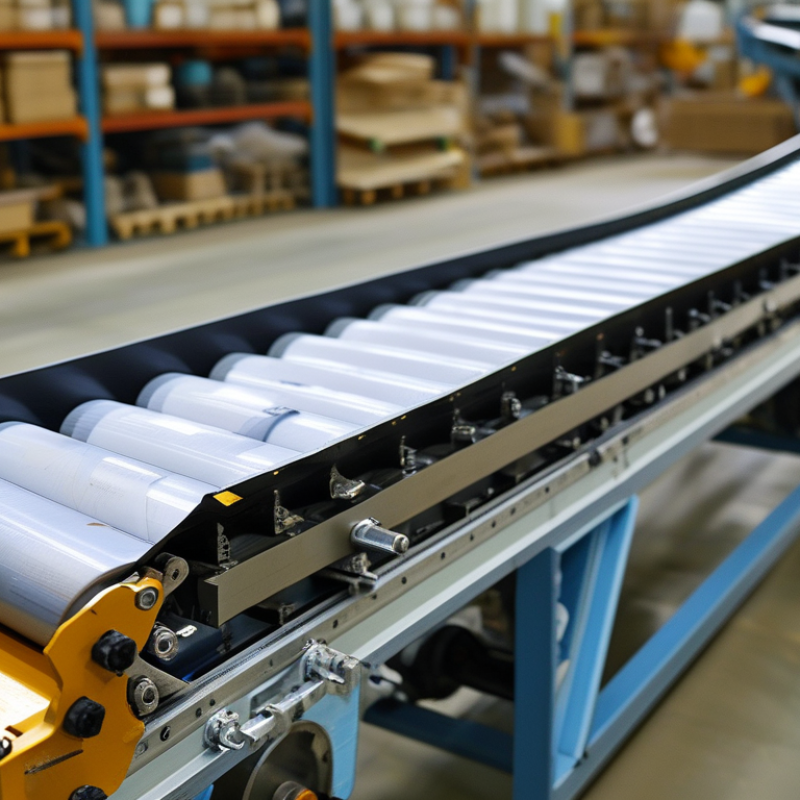
Advantages of Open End Belts in Manufacturing Processes
Open end belts offer numerous advantages for manufacturing processes. Their design allows for easy installation and replacement, reducing downtime. This is crucial in fast-paced environments. Maintenance is often simpler, enabling teams to focus on production. Open end belts can seamlessly handle various loads and speeds, making them versatile.
One significant benefit is the flexibility of these belts. They can accommodate various conveyor systems and machinery setups. This adaptability can lead to increased efficiency in operations. Additionally, the ability to create custom lengths can help minimize waste and optimize performance. However, it's essential to regularly assess the belt's condition. The choice of material also plays a vital role in durability and functionality.
Efficiency is a crucial aspect of any manufacturing process. Open end belts can enhance workflow and reduce bottlenecks. While they provide many benefits, it's important to remain vigilant. Regular inspections can catch issues early. Avoid assumptions about longevity without proper evaluation. Understanding these factors can lead to better decision-making in manufacturing.
Material Options for Open End Belts and Their Impact on Performance
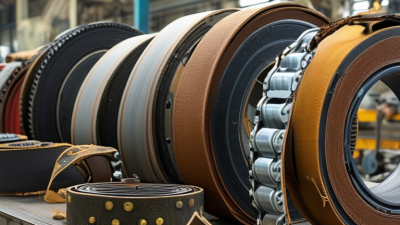
When selecting open end belts for manufacturing, material choices significantly shape their performance. Common materials include polyurethane, rubber, and polyester, each offering unique durability and flexibility. For instance, polyurethane belts are often noted for their strength and chemical resistance. According to industry reports, these high-performance materials can enhance productivity by up to 20% in certain applications.
The impact of material on operational efficiency cannot be overstated. Research indicates that rubber belts may perform better in high-tension situations but can degrade faster in harsh environments. In contrast, polyester belts tend to withstand a broader range of conditions, making them ideal for dynamic applications. The choice of material not only affects longevity but also maintenance costs and production downtime.
While selecting material, one must also consider potential drawbacks. A stiffer belt may provide better load-bearing, yet could lead to increased wear on machinery. Balancing performance and maintenance requirements is crucial. Decision-makers need to reflect on specific manufacturing needs and weigh long-term implications against immediate benefits. Such careful consideration often leads to more sustainable choices and improved manufacturing outcomes.
Applications of Open End Belts in Diverse Industries
Open end belts are gaining traction across various industries due to their versatility. These belts are widely used in conveyor systems, packaging, and textiles. For example, in the textile industry, open end belts facilitate smooth fabric movement. A study by Allied Market Research indicates that the global conveyor belt market is expected to reach $7.2 billion by 2026. This highlights the increasing demand in diverse sectors.
In the food processing industry, open end belts support hygiene standards. They are designed for easy cleaning, minimizing contamination risks. Research from the Food & Beverage Manufacturing Association points out that 35% of food processors are transitioning to materials that enhance cleanliness. This shift underscores the importance of reliable conveyor systems to uphold safety standards.
However, challenges remain. Some manufacturers may struggle with selecting the right material and design for their specific applications. The process requires careful consideration of factors like load capacity, temperature extremes, and resistance to wear. Understanding these parameters is crucial for optimizing performance and lifespan. The ongoing evolution of manufacturing processes presents ample opportunities to refine these decisions.
Comparison of Open End Belts with Other Belt Types
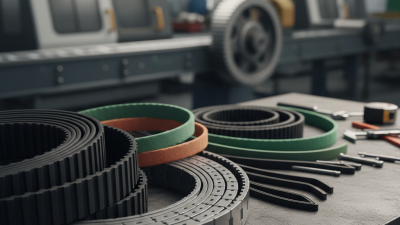
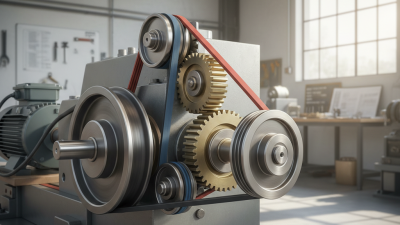
Open end belts offer unique advantages over traditional belt types, such as flat belts or timing belts. Their design allows for easy installation and replacement, making them a preferred choice in many manufacturing settings. According to a report from the International Belt Manufacturers Association, open end belts can enhance overall efficiency by reducing downtime related to maintenance and repairs. This efficiency translates into significant cost savings for manufacturers looking to improve their operational processes.
When comparing open end belts to other types, one of the key factors is versatility. Open end belts can be easily customized in terms of width and length. This adaptability is crucial for applications that require specific dimensions. A recent study highlighted that nearly 30% of manufacturers prefer open end belts for their flexibility in handling variable loads. However, they may not always be the best option for extreme conditions, such as heavy shock loads or high-speed applications.
Another point of consideration is the material used. Open end belts often utilize synthetic materials which provide better resistance to abrasion and wear. Conversely, traditional belts may not offer the same durability. In fact, research indicates that open end belts can last up to 20% longer in high-friction environments. Still, the initial cost may be higher compared to other types, prompting manufacturers to weigh their options carefully.
Maintenance and Longevity of Open End Belts in Operations
Open end belts are crucial in manufacturing due to their maintenance and longevity. They provide versatility and durability in various operations. According to a study by the Conveyor Equipment Manufacturers Association, properly maintained belts can last up to 50% longer than those that are neglected. This highlights the importance of regular checks and timely repairs.
A key advantage of open end belts is their ease of maintenance. Unlike traditional belts, they can be repaired on-site, reducing downtime. Industry reports suggest that downtime costs manufacturers about $20,000 per hour. Efficient maintenance practices can significantly minimize these costs. Simple adjustments can prevent wear, while regular inspections help identify potential issues early on.
However, it is essential to understand that not all open end belts are the same. Factors like material quality and environmental conditions impact their lifespan. Research indicates that belts operated in extreme temperatures may degrade faster. Users need to choose the right materials based on their specific applications. Addressing these variables is crucial for optimizing the performance of open end belts in operational settings.