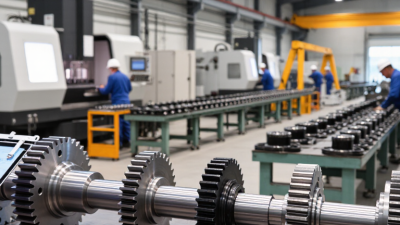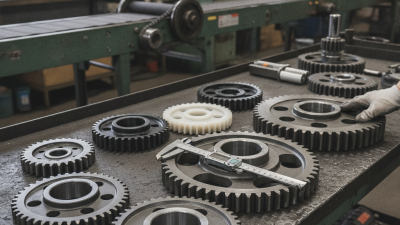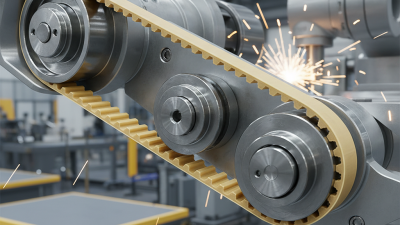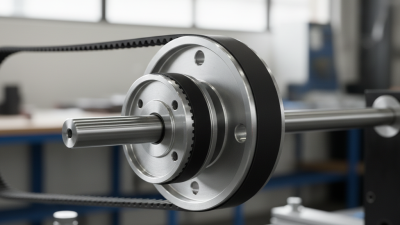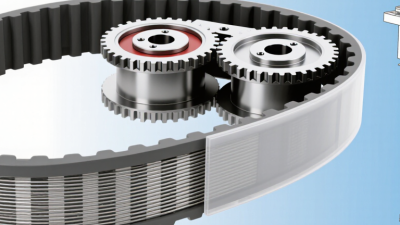
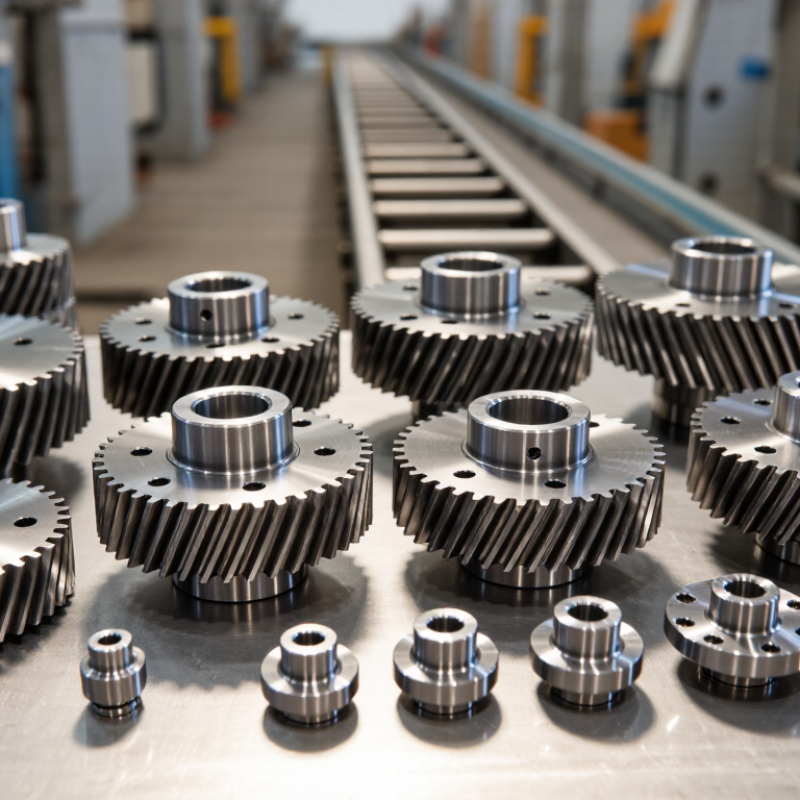
Industrial sprocket buyers often judge market strength beyond factory size. The strongest manufacturers combine stable production, engineering depth, and dependable delivery. Their workshops control tooth profiles, pitch accuracy, bore dimensions, and heat treatment. These details influence chain engagement, vibration, service life, and maintenance costs.
Experienced manufacturers usually support different industries, including conveyors, agricultural equipment, packaging lines, and material handling systems. Their market strength appears through repeat orders, regional distribution, and consistent technical support. Buyers should request material certificates, dimensional inspection records, and load-test information. A factory audit can also reveal production discipline, equipment condition, and worker training. Look closely.
Reliable suppliers communicate clearly about tooling, minimum quantities, packaging, and shipping schedules. They can often produce standard sprockets quickly while handling custom bores, keyways, or corrosion-resistant finishes. However, customization may extend lead times. That limitation should be stated early.
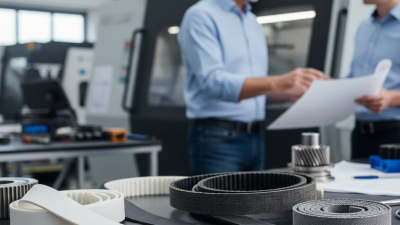
Market reputation can be useful, but it is not complete evidence. A manufacturer may serve many countries yet struggle with small urgent orders. Another may have modern machines but weak after-sales communication. No supplier is flawless. Buyers should compare measurable performance, not impressive promises. Practical evaluation should include sample approval, batch consistency, response speed, and replacement procedures. These checks make supplier selection more reliable when production cannot afford unexpected stoppages.