What is a Belt Pulley and How Does it Work?
Belt pulleys are essential components in various mechanical systems. They are crucial for transferring power efficiently between shafts. According to a report by the Machinery Industry Research Institute, the global belt pulley market is expected to exceed $1 billion by 2025. This growth highlights their significance in automation and manufacturing.
Expert Mark Thompson, a leading engineer in power transmission systems, emphasizes, "Belt pulleys are the backbone of effective machinery." His insights reflect the importance of design and material selection in the performance of these components. Professionals in the field continually seek innovations to enhance efficiency and longevity.
Despite their effectiveness, there can be challenges. Poorly designed belt pulleys can lead to increased wear and energy loss. It’s vital for engineers to prioritize quality and specifications. The demand for precision in manufacturing has never been greater. Understanding how belt pulleys work is key to optimizing performance.
Definition and Function of a Belt Pulley
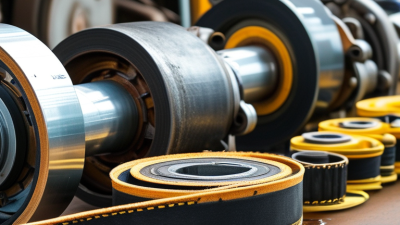
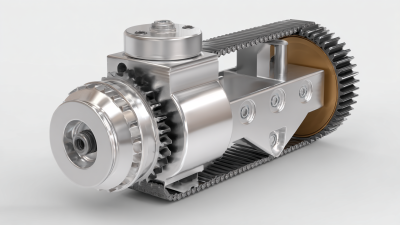
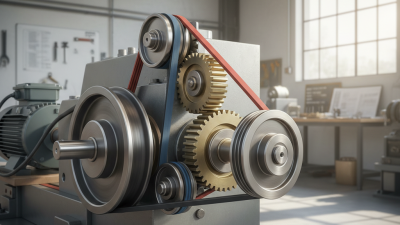
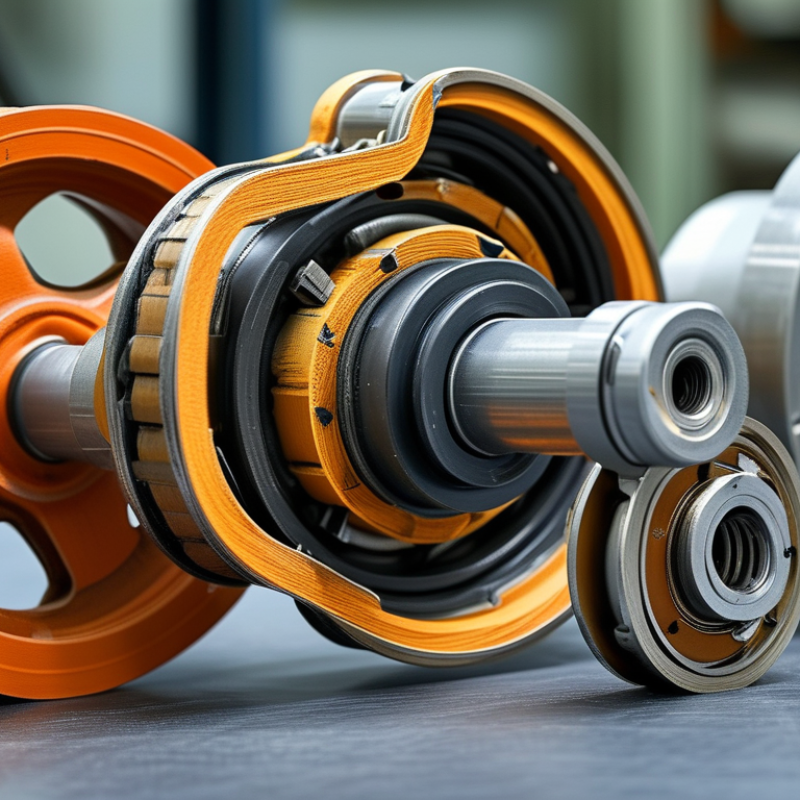
A belt pulley is a mechanical device that plays a crucial role in transmitting power. It consists of a cylindrical wheel and a belt connected to it. When the wheel rotates, it pulls the belt along, transferring energy from one component to another. This simple design allows for efficient movement of mechanical energy, commonly seen in various machines and engines.
The function of a belt pulley extends to various applications. In industrial settings, belt pulleys are used in conveyor systems, enabling the transport of materials. In automotive engines, they help drive accessories like alternators and water pumps. The design allows for smooth torque transfer, essential for effective power management. However, issues like slack in the belt or misalignment can disrupt performance, leading to inefficiencies.
Understanding how belt pulleys operate is essential for maintaining machinery. Proper installation ensures that they function as intended. Regular inspections can help identify wear and tear. Not all systems operate perfectly. Sometimes, a minor adjustment can make a significant difference in performance. Prevention is vital; a small oversight can lead to larger mechanical failures.
Belt Pulley Usage by Industry
The chart above illustrates the usage frequency of belt pulleys across various industries. The manufacturing sector leads with 25% usage, followed by construction and automotive at 20% and 15%, respectively. Agriculture, mining, and energy also utilize belt pulleys, contributing to their overall functionality in mechanical systems.
Types of Belt Pulleys and Their Applications
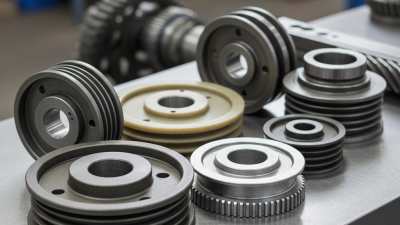
Belt pulleys are essential in various applications across industries. They come in several types, including fixed pulleys, movable pulleys, and compound pulleys. Each type serves a specific purpose. Fixed pulleys change the direction of force, while movable pulleys enhance mechanical advantage. Compound pulleys combine both for even greater efficiency.
In manufacturing, belt pulleys drive conveyor systems. They help in transporting materials smoothly. In automotive applications, pulleys are crucial for engine components. They synchronize the timing of belts, ensuring the engine runs efficiently. In home settings, you may find simple pulleys used for window blinds or garage doors.
While belt pulleys are generally reliable, they can face wear and tear. Frequent use can lead to belt slippage or misalignment. Regular inspections can prevent these issues. Paying attention to these details can save time and money in the long run. Understanding the types and applications of belt pulleys allows users to make informed decisions.
Mechanics of How a Belt Pulley Operates
A belt pulley is a crucial component in many mechanical systems. It functions by transferring power from one location to another via a belt. The mechanics behind its operation are based on friction and tension. When a belt wraps around a pulley, the tension in the belt allows for efficient energy transfer. Data shows that systems utilizing belt pulleys can achieve efficiency levels between 70% to 95%, depending on the design and material.
Understanding how a belt pulley operates requires attention to its alignment and load distribution. Misalignment can lead to increased wear and decreased efficiency. Reports indicate that proper alignment can extend the lifespan of a belt pulley by up to 50%. Additionally, the material of both the pulley and the belt greatly influences performance. For instance, pulleys made from high-strength materials can handle higher loads without deformation.
Tips: Regular maintenance of pulleys is essential. Check for wear and tension regularly. It’s important to replace worn belts promptly. Also, consider the operating environment; dust and debris can impact performance. Keeping the area clean is a simple yet effective way to enhance longevity. Remember, attention to detail makes all the difference in maximizing efficiency.
Benefits of Using Belt Pulleys in Machinery
Belt pulleys are fundamental components in many machines. They provide an efficient means of transferring power. By using a belt to connect two or more pulleys, machines can transmit rotational energy smoothly. This allows for various applications in industries like manufacturing and transportation.
One significant benefit of using belt pulleys is their ability to reduce wear on other components. The cushioning effect of the belt helps to absorb shocks. This can extend the lifespan of the machinery. Additionally, belt pulleys offer flexibility in speed adjustment. By changing the size of the pulleys, operators can alter the speed and torque of a machine easily.
However, belt pulleys require regular maintenance. Dust and debris can accumulate, affecting their performance. Users may overlook this, leading to inefficiencies. Proper alignment is also crucial. Misalignment can cause excessive wear and premature failure of the belt. Addressing these issues can enhance performance and reliability in machinery.
Maintenance and Troubleshooting of Belt Pulleys
Belt pulleys play a crucial role in machinery, but they require regular maintenance to function properly. Checking for wear is essential. Over time, belts can stretch or fray. This can lead to slippage or misalignment. It's vital to inspect pulleys for debris or corrosion. Ensure they are clean and free of any obstructions. A clean pulley enhances performance and extends belt life.
Listen for unusual noises during operation. Squeaking sounds often indicate a need for lubrication. Use appropriate grease to maintain proper tension and reduce friction. If a belt wears unevenly, it may signal a misaligned pulley. Adjustments should be made to align the pulleys correctly. Misalignment can lead to premature wear and may require replacement.
Finally, be aware of vibration issues. Excessive vibration often points to imbalance within the system. Monitor the setup regularly and make necessary adjustments. Documenting maintenance actions will provide useful insights for future troubleshooting. Learning from past issues can prevent costly downtime. Regular checks and careful adjustments ensure the longevity and efficiency of belt pulleys in your operations.