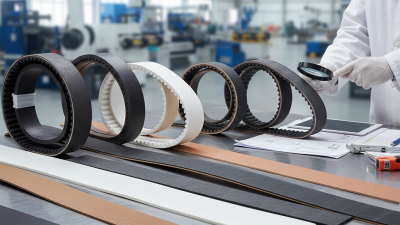
What is Flat Rubber Belts and How to Choose the Right One?
In the world of manufacturing and logistics, flat rubber belts play a crucial role. These belts are essential components in various machinery. Experts like James Carter, a noted authority in conveyor systems, emphasize their importance. He once stated, "Choosing the right flat rubber belt can significantly influence efficiency and longevity."
Selecting the appropriate flat rubber belt is vital for performance. The right choice can enhance productivity while reducing wear on equipment. However, this process can be challenging. With various options available, understanding the specifications is essential. Many companies make mistakes when selecting belts. They often overlook factors such as material and width.
Flat rubber belts are not just about functionality; they also ensure smooth operations. The impact of an ill-suited belt can lead to disruptions. Thus, careful consideration is necessary. It is critical to reflect on the specific needs of your machinery. An informed decision can lead to better outcomes in daily operations.
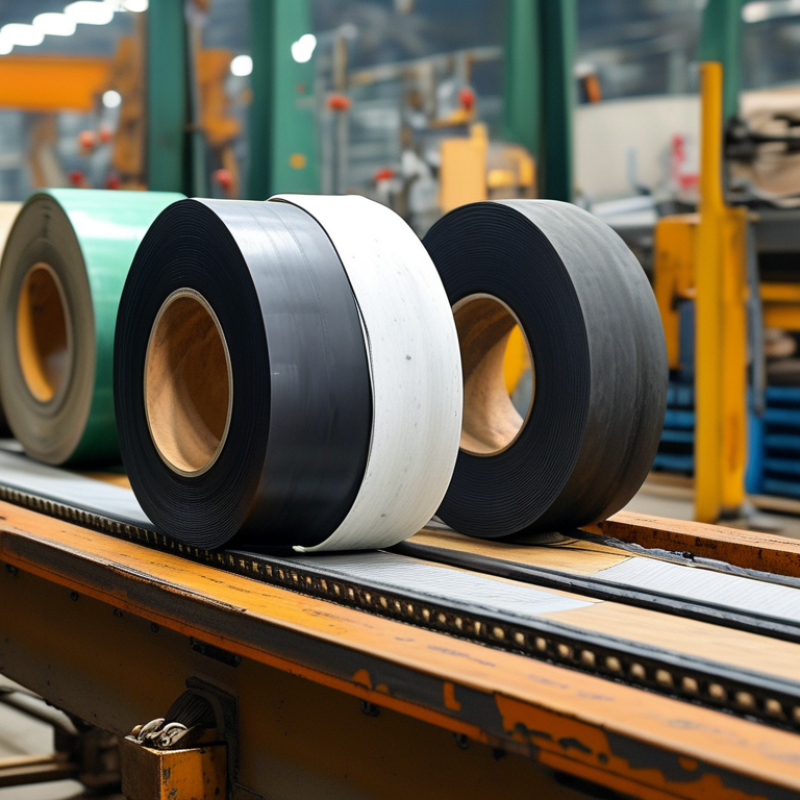
What are Flat Rubber Belts?
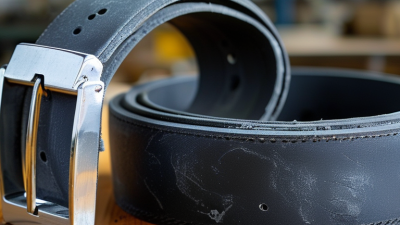
Flat rubber belts are essential components in various industrial machinery. They are designed to transmit power efficiently in applications like conveyor systems and transmission devices. These belts have a flat surface that allows them to grip pulleys effectively, making them suitable for high-speed operations. According to the Global Conveyor Belts Market Report, the demand for flat rubber belts will witness a growth rate of 5% annually, reflecting their importance in modern manufacturing.
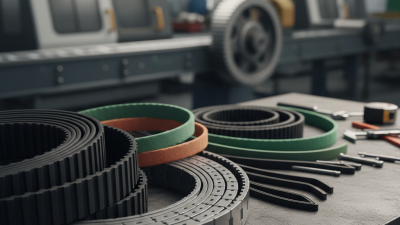
Manufacturers produce flat rubber belts in different sizes and materials to meet specific industry needs. Factors such as temperature resistance and load capacity are crucial when selecting the right belt. For instance, belts operating in high-temperature environments require specialized formulations. An estimated 30% of maintenance costs in manufacturing come from the improper selection of these belts, highlighting the need for careful consideration.
Various industries rely on flat rubber belts for their reliability and durability. The automotive and packaging industries favor them for their strength and versatility. However, misalignment can lead to premature wear. Regular inspection is necessary to prevent costly downtime. Users must weigh factors like size, material, and application dynamics to make informed choices that enhance operational efficiency. Each decision carries significant consequences, emphasizing the importance of understanding flat rubber belts more deeply.
Key Features and Benefits of Flat Rubber Belts
Flat rubber belts are essential components in various industrial applications. They are designed to provide superior grip and durability. One key feature of flat rubber belts is their flexibility. This allows them to adapt well to different types of machinery. Additionally, the rubber material used enhances their resistance to wear and tear. The durability makes them suitable for high-tension tasks, ensuring longevity and reliability.
When choosing a flat rubber belt, consider the specific requirements of your application. The width and thickness should match the machinery specifications. The environment also plays a crucial role. If the belt will be exposed to extreme temperatures or chemicals, select a rubber that can withstand those conditions. While flat rubber belts are generally reliable, occasional inspection is necessary to identify wear patterns. This proactive approach can help prevent unexpected breakdowns, contributing to smoother operations over time.
Factors to Consider When Choosing Flat Rubber Belts
When selecting flat rubber belts, several factors come into play. Consider the thickness and width of the belt. Different applications require different dimensions. A thicker belt may handle heavier loads, while a narrower belt might fit into tighter spaces. Understanding the specific requirements of your machinery is crucial.
Another important aspect is the rubber type. Rubber can vary significantly in strength and flexibility. Some formulations provide better grip, while others are more resistant to wear. Assessing the environment where the belt will operate is key. For instance, exposure to heat or chemicals can affect performance.
Don’t overlook the installation process. A poorly fitted belt can lead to inefficiency. Take time to ensure a proper alignment. It’s also helpful to consult with technical experts. They can guide you in making an informed choice. This avoids common pitfalls that many users encounter. Being aware of the potential downsides can be just as important as knowing the benefits.
Applications of Flat Rubber Belts in Various Industries
Flat rubber belts play a crucial role across various industries. They are widely used in manufacturing, agriculture, and transportation. Their design allows for flexibility, providing excellent grip and durability. In manufacturing, they transport items on assembly lines. This boosts efficiency significantly. In agriculture, they assist in equipment like harvesters and tractors. Their high resistance to wear makes them suitable for heavy-duty tasks.
When selecting flat rubber belts, consider their applications. Different industries have unique requirements. For example, belts in food processing must meet hygiene standards. Look for belts that resist oil and heat, especially in automotive applications. Understanding these factors can ensure longevity and efficiency.
It's also essential to ensure proper maintenance. Regular inspections can prevent unexpected breakdowns. Checking for signs of wear can save time and costs. Misalignment may lead to increased friction and reduced efficiency. Always consider the operating environment too, as this affects performance. Evaluate how different conditions impact belt longevity and choose wisely.
Maintenance Tips for Prolonging the Life of Flat Rubber Belts
Flat rubber belts are essential in various machinery and automotive applications. To ensure their longevity, regular maintenance is key. First, check for signs of wear and tear. This includes cracks, fraying, or discoloration. Gaps between the pulley and belt can indicate misalignment. Addressing these issues early can prevent larger problems later.
Cleaning the belts is vital. Dust and debris can shorten their lifespan. Use a damp cloth to wipe excess dirt. Avoid harsh chemicals as they may degrade the rubber. It’s important to keep the belts lubricated. However, avoid over-lubricating, as it can attract more dirt.
Temperature affects rubber belts significantly. Operating in extreme heat or cold can cause brittleness or stretching. Regular inspections will help identify any temperature-related damages. Create a maintenance schedule. This keeps track of your inspections and helps in timely interventions. Reflecting on maintenance practices can lead to better performance and increased efficiency. Maintaining flat rubber belts is not just about keeping them clean; it’s about ensuring they function well consistently.
Flat Rubber Belts Usage and Maintenance
This chart illustrates the impact of various maintenance measures on the longevity and performance of flat rubber belts. Proper installation and correct tensioning are the most critical factors, while environmental considerations have a lesser impact.