Inquiry
Leave Your Message

How to Choose the Right Endless Flat Belt

Choosing an Endless Flat Belt is not a catalog exercise. It is a fit between the belt, the drive, and the real operating conditions. A belt that performs well on a clean test bench may slip, stretch, or wear quickly beside dust, oil, heat, or frequent starts. Small details matter: pulley diameter, belt width, load, speed, tracking, and the required coefficient of friction. So does construction. A continuous belt can avoid exposed mechanical fasteners, but its joining method and flexibility still deserve close inspection.

Efficiency matters, too. The U.S. Department of Energy’s Improving Motor and Drive System Performance: A Sourcebook for Industry reports that motor-driven systems use about 70% of the electricity consumed by U.S. manufacturing. That figure does not measure belt losses alone. It does show why drive alignment, tension, and maintenance deserve attention when selecting a belt. For conveyor applications, ISO 14890:2013 offers a reference for conveyor-belt specifications; it does not replace application-specific engineering. Ask suppliers for documented limits on tension, temperature, speed, and compatibility with conveyed materials. Then check those limits against measured site conditions, not assumptions. A useful specification records the duty cycle and cleaning regime. It also identifies the cost of downtime. There is no perfect shortlist. Measurements can be incomplete, and actual wear may differ from estimates. The right choice is the one supported by evidence, tested in service, and reviewed when conditions change.
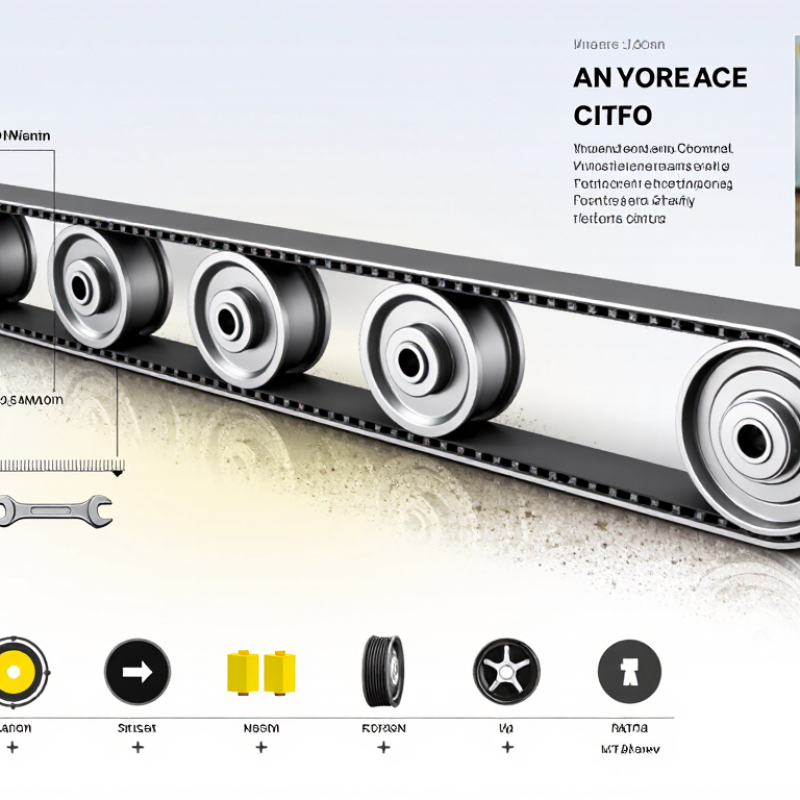
How to Choose the Right Endless Flat Belt

Identify the Application Requirements for an Endless Flat Belt

Identify what the belt must do before comparing materials or dimensions. Is it transmitting power between pulleys or moving products along a line? Record normal and peak loads, operating speed, start-stop frequency, pulley diameters, and center distance. A belt on a fast packaging line faces different demands from one driving a slow roller. Small details matter.

The U.S. Department of Energy’s 2014 report, Improving Motor and Drive System Performance: A Sourcebook for Industry, estimates that motor-driven systems account for about 68% of electricity use in U.S. manufacturing. That figure does not measure belt efficiency, but it highlights why the full drive system matters. Match belt tension and friction to the motor, pulleys, and expected load; excessive tension can increase bearing stress, while inadequate tension may cause slip. Check the belt maker’s technical limits against your actual duty cycle.

Then assess the surroundings. Heat, oil, dust, moisture, and cleaning chemicals can change grip, wear, or belt flexibility. Note whether the belt must track over crowned pulleys, run quietly, or tolerate frequent washing. Test under load. A drawing rarely captures every vibration or alignment problem; even a carefully specified belt may need adjustment after installation. Record what changes during the trial, rather than assuming the first setup is perfect.
Compare Belt Materials and Construction Types

Material choice should follow the load, speed, and environment, not just the belt’s price. Polyurethane belts often suit clean, precise conveying and resist abrasion, while PVC can offer a practical surface for general handling. Rubber may provide useful grip and flexibility, but oils, heat, or cleaning chemicals can affect its performance. Check the actual operating conditions. A belt near warm rollers may behave differently from one in a cool, dry line.

Construction matters just as much. A truly endless belt has no mechanical fastener to catch on small products or create a raised contact point. Some belts are made endless by welding or joining their ends; the joint’s finish and strength deserve close inspection. Layered belts can add traction or stiffness, while fabric reinforcement helps control stretch under tension. More layers are not always better. They can make a belt less flexible around small pulleys. Measure pulley diameter, belt width, and expected tension before choosing, then confirm compatibility with the manufacturer’s specifications. I would not assume a smooth-looking belt will track perfectly; alignment and consistent tension still matter. Check the edges. Small setup details can decide whether a suitable belt runs smoothly or drifts.

How to Choose the Right Endless Flat Belt - Compare Belt Materials and Construction Types

Belt Material / Construction Typical Build Key Strengths Considerations Common Applications Best Fit When...
Homogeneous polyurethane Solid polyurethane body, made as a continuous belt or joined into an endless loop; may have a smooth or textured surface. Good abrasion resistance and flexibility. Many formulations resist oils and fats better than some general-purpose materials. Temperature limits and resistance to chemicals depend on the polyurethane formulation. Some types can be affected by prolonged exposure to moisture or heat. Light- to medium-duty conveying, packaging equipment, and applications needing a durable, cleanable belt surface. You need a flexible belt with a durable surface and the operating temperature and chemicals are compatible with the selected grade.
Reinforced polyurethane Polyurethane cover or body combined with a polyester or aramid tensile reinforcement layer. Reinforcement helps limit stretch and maintain tracking and dimensional stability under load. The reinforcement, belt thickness, pulley diameter, and joining method affect flexibility and performance. Confirm the belt is designed for the required endless configuration. Conveyors and drives requiring more stable belt length or controlled positioning. Low elongation and reliable tracking matter more than having a fully homogeneous belt structure.
PVC-coated polyester fabric Polyester fabric tensile layer with a PVC coating or cover; often supplied in different surface finishes. Versatile and commonly available in a range of thicknesses and surface textures. Polyester provides tensile support. Grip, oil resistance, temperature capability, and cleanability vary by coating and finish. Check compatibility with the conveyed product and cleaning process. General-purpose conveying, sorting, packaging, and light industrial handling. You need a flexible fabric belt for general conveying and can select a PVC grade suited to the environment.
Rubber-covered fabric Rubber covers bonded to a textile carcass, with compound and fabric selection tailored to the application. Can provide good traction, impact handling, and flexibility; rubber compounds can be selected for particular service conditions. Oil, heat, ozone, and chemical resistance differ substantially between compounds. Rubber may age or harden depending on exposure and storage. Industrial conveying, drives, and handling where grip or resistance to rougher service is needed. You need a high-grip or robust surface and can specify a rubber compound suitable for the actual exposure.
Endless woven textile Woven fabric formed as a continuous loop, sometimes with a surface treatment or coating. A continuous woven structure can avoid a conventional mechanical splice and can be lightweight and flexible. Surface texture, permeability, edge behavior, and load capacity depend on the weave and finish. Confirm suitability for small pulleys and the required belt tension. Textile handling, light conveying, and applications needing a continuous woven surface. A woven surface or continuous fabric loop is useful for the product, process, or equipment design.
Laminated or multi-ply belt Two or more layers bonded together, such as a tensile fabric layer with one or more functional covers. Allows the top surface, underside, and reinforcement to be selected for different functions, such as grip, wear resistance, or drive contact. Layer bonding, total thickness, flexing over pulleys, and edge sealing should be checked for the application. More layers do not automatically mean better performance. Conveying and power transmission where different surface properties are needed on opposite sides. You need to combine a specific running surface with a separate reinforcement or underside material.

Selection note: Confirm belt speed, load, tension, pulley diameter, tracking method, operating temperature, chemical exposure, cleaning requirements, and the specified endless joint or loop construction with the belt supplier. Material performance varies by formulation and manufacturer specification.

Determine the Correct Belt Width, Length, and Thickness

How to Choose the Right Endless Flat Belt

Determine the Correct Belt Width, Length, and Thickness

Start with the machine’s load, pulley dimensions, center distance, and operating speed. Belt width must carry the required load without overloading its edges. Belt length should match the pulley path under the specified tension; a belt that is too tight strains shafts, while a loose one can slip. ISO 4184:1992 provides length and tolerance guidance for flat transmission belts, but it does not replace the equipment maker’s requirements. Check the actual pulley alignment and measure the installed path. Small errors matter.

Thickness affects flexibility, grip, and fatigue life. A thicker belt may resist wear, yet bend poorly around small pulleys. The U.S. Department of Energy’s motor-systems sourcebook reports belt-drive efficiency in the approximate 95–98% range for well-designed systems. That range is not a sizing rule; poor alignment or tension can undermine performance. I would not trust a nominal catalog dimension without checking the belt’s material and splice construction.

Tips: Record the old belt’s width, thickness, and length before removal, then verify them against the machine specification. Measure twice. If the belt runs hot, wanders, or slips, revisit alignment and tension before choosing a thicker belt. A neat fit is useful, but it is not proof of correct sizing.

Assess Operating Conditions and Performance Needs

Assess the real duty cycle before comparing belt materials. Record the transmitted load, shaft speed, pulley diameter, start-stop frequency, and hours of operation. A belt running continuously on a warm, dusty line faces different demands from one indexing packages in a cool room. Heat matters. So do moisture, oil, cleaning agents, and abrasive dust.

The U.S. Department of Energy’s 2008 report, Improving Motor and Drive System Performance: A Sourcebook for Industry, estimates that motor-driven systems use about 63% of U.S. manufacturing electricity. That figure covers more than belts, but it shows why drive losses deserve attention. Match belt width and friction characteristics to the required torque; excessive tension can increase shaft loads, while insufficient tension invites slip. Check the smallest pulley diameter, too. Tight bends can fatigue a belt sooner than expected.

Observe the existing drive under load, not only at idle. Look for edge wear, heat marks, vibration, and tracking drift. A smooth surface may suit a clean, steady application, while a higher-grip surface may help when starting loads vary. I would not rely on a catalog rating alone; real alignment is often messier. Measure shaft spacing and pulley runout, then confirm tension using the belt maker’s specified method. Small details can change the result.

Check Pulley Compatibility and Maintenance Requirements

An endless flat belt can fit a pulley and still run poorly if the contact surface is wrong. Check the belt width, thickness, and working length against the pulley dimensions and the machine’s operating range. Even a small mismatch can cause edge wear, slipping, or uneven tracking. Small details matter. Inspect the pulley face, too: a crown, coating, or rough finish can affect how the belt tracks.

Before installation, confirm the belt material suits the load, temperature, moisture, and routine cleaning agents. Check that the pulley diameter meets the belt supplier’s minimum bend guidance; a tight bend can shorten service life. Set alignment and tension using the machine or belt maker’s method rather than guessing by feel. A quiet first run is reassuring, but it does not prove the setup is sound.

During operation, watch for frayed edges, glazing, dust buildup, heat marks, and belt drift. Record changes instead of relying on memory. Clean pulleys using methods compatible with the belt material, and inspect tracking components according to site procedures. Do not overtighten to hide slipping; check for contamination, misalignment, or excessive load. Maintenance is straightforward, but easy to postpone. That delay can be costly.