Essential Tips for Choosing the Right V Belt Pulley?
Choosing the right V Belt Pulley is crucial for optimal machine performance. According to industry reports, incorrect pulley selection can lead to a 20% decrease in efficiency. The importance of precision in this choice cannot be overstated. A mismatch can cause excessive wear, increased maintenance costs, and even machinery failure.
V Belt Pulleys play a significant role in power transmission systems. They impact the overall effectiveness of machinery in sectors such as manufacturing, automotive, and agriculture. Research shows that using the appropriate V Belt Pulley can enhance equipment lifespan by up to 30%. However, many overlook the specifics, leading to subpar results.
Consider factors such as material, size, and alignment when selecting a V Belt Pulley. Inadequate evaluation may seem minor but can have lasting negative effects. A deeper understanding of these components will help avoid common pitfalls. Investing time in this decision is not just beneficial; it is essential for reliability and performance.
Understanding V Belt Pulleys: Types and Applications in Industry
V belt pulleys play a crucial role in the transmission of power across various industrial applications. They come in different types, each tailored to specific needs. For instance, flat pulleys are commonly used in agriculture machinery, while crowned pulleys are often seen in automotive applications. According to a recent industry report, over 70% of machinery failures can be traced back to improper pulley selection.
Today’s manufacturing environments rely on efficient power transmission systems. The right V belt pulley can enhance productivity, reduce energy costs, and improve equipment lifespan. Yet, choosing the right type can be challenging. For example, using a mismatched pulley can lead to premature wear and tear. Research has shown that average maintenance costs can be reduced by 30% with the correct pulley selection.
One must consider material and design when selecting a V belt pulley. Steel, aluminum, and plastic materials each offer distinct advantages. However, not all applications need the same material. A lightweight plastic pulley can suffice in low-load scenarios, while heavy-duty applications will require robust steel construction. Balancing cost and performance is essential, and often overlooked details can lead to inefficiencies.
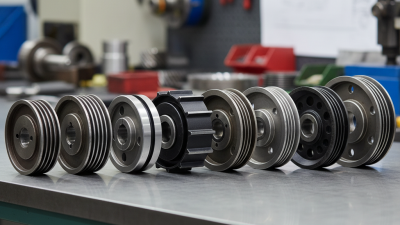
V Belt Pulley Types and Their Applications
Key Factors Influencing V Belt Pulley Size and Selection Criteria
When selecting a V belt pulley, size is crucial. The correct sizing affects performance and efficiency. Consider the diameter first. A larger pulley often results in lower speed. Conversely, smaller pulleys increase speed but may wear belts faster.
Material also plays a significant role. Steel pulleys offer durability for heavy loads. However, aluminum is lighter and can reduce inertia. Think about the application. Industrial uses might require robust options, while smaller tasks could need something lighter. Tensioning methods also influence selection.
Lastly, check alignment and installation factors. Misalignment can lead to premature failure. An imperfect fit often invites vibration issues. Selecting the right V belt pulley can be tricky. Yet, understanding these factors will simplify the process. Aim for a blend of efficiency and reliability.
Essential Tips for Choosing the Right V Belt Pulley
| Factor |
Details |
Considerations |
| Pulley Diameter |
The size of the pulley affects the speed and torque |
Choose based on the machine requirements |
| Belt Type |
Different belts (V, flat, etc.) require compatible pulleys |
Ensure the pulley matches the belt specifications |
| Material |
Aluminum, steel, or plastic options available |
Consider strength, weight, and corrosion resistance |
| Load Capacity |
Pulley must be able to handle the intended load |
Check specifications against expected loads |
| Center Distance |
Distance between pulleys influences tension and wear |
Maintain proper distance for optimal performance |
| Speed |
Operating speed impacts pulley size and material |
Use appropriate pulley for intended speed |
| Environmental Conditions |
Temperature, humidity, and dust can affect performance |
Select durable materials for harsh environments |
Material Considerations for Durable and Efficient V Belt Pulleys
Choosing the right material for V belt pulleys is crucial for maximizing durability and efficiency. Common materials include cast iron, aluminum, and plastic composites. Each material has unique properties that affect performance. Cast iron is strong and stable but can be heavy. Aluminum is lightweight and corrosion resistant. Plastic composites offer flexibility and can reduce noise but may not withstand heavy loads.
When selecting a V belt pulley, consider the operational environment. High temperatures or moisture can degrade certain materials faster. A reliable pulley must endure wear and tear over time. It's essential to match the material with your specific application. Misalignment or improper material choice can lead to premature failure.
Tips for making your choice: Assess load demands and environmental factors. Evaluate the compatibility of the pulley with other components. Look for pulleys that balance weight and strength. Reflect on past experiences with different materials. It's important to learn from any previous mistakes.
Impact of Pulley Ratio on Transmission Efficiency and Performance
Choosing the right V belt pulley is crucial for optimizing your machinery's performance. The pulley ratio significantly influences transmission efficiency. A correct ratio ensures that power is effectively transferred from the motor to the driven components. If the ratio is too high or low, it can lead to energy losses or mechanical failure.
When selecting a pulley, consider its size and the required speed. A smaller pulley typically increases speed but may reduce torque. Conversely, a larger pulley gives more torque but reduces speed. Understanding your equipment's needs is essential.
Tip: Always consult the manufacturer's specifications to ensure compatibility. Additionally, measure your existing pulleys to avoid mismatches. An oversight in size can cause friction and overheating. Testing different pulley ratios can provide insights into your system’s efficiency. Experimenting might reveal unexpected challenges, helping you make more informed decisions.
Common Mistakes in V Belt Pulley Selection and How to Avoid Them
When selecting a V belt pulley, many make critical errors that compromise performance. One common mistake is not considering the pulley material. Some pulleys are made from softer metals, leading to wear and premature failure. A report by the American Gear Manufacturers Association states that material choice impacts durability by up to 30%.
Another frequent oversight is incorrect size matching with the belt. Using a mismatched pulley can cause slippage and reduce efficiency. Research indicates that nearly 40% of operational issues in machinery stem from improper pulley-belt combinations. Regular checks on alignment and tension can prevent these problems.
Many users overlook the importance of load capacity. Not accounting for peak load demands can result in catastrophic failures. According to industry data, over 25% of equipment failures relate to incorrect load assessments. It’s crucial to evaluate the actual usage scenarios rather than approximating capacities. Recognizing these pitfalls can lead to better, more sustainable choices in V belt pulley selection.