How to Choose the Right Timing Belt Pulleys for Your Needs?
When it comes to selecting Timing Belt Pulleys, understanding your specific needs is crucial. Industry expert John H. Miller, a mechanical engineer with over 15 years of experience, states, “Choosing the right pulleys can significantly enhance system efficiency.” This insight underscores the importance of making informed choices in applications where precision is paramount.
Timing Belt Pulleys are vital components in many mechanical systems. Their design and material directly affect performance and durability. Factors like load capacity, pulley diameter, and tooth profile are essential considerations. An inadequate selection can lead to premature failure. Many users overlook these details, which can result in costly downtime and repairs.
Understanding the nuances of Timing Belt Pulleys requires careful evaluation. It’s easy to underestimate the impact of these parts. Reflecting on past experiences, users often realize that a minor oversight can lead to significant setbacks. So, being diligent during the selection process is necessary for optimizing performance and longevity.

Understanding the Basics of Timing Belt Pulleys
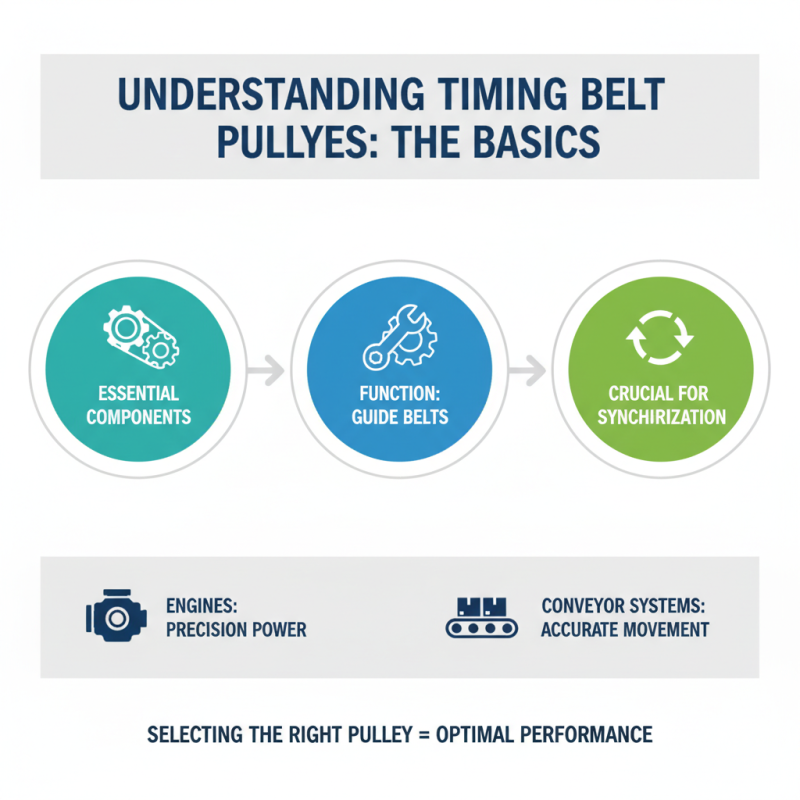
Timing belt pulleys are essential components in various machinery. Understanding their function helps you select the right ones for your application. Pulleys guide timing belts, ensuring synchronized movement between shafts. This synchronization is crucial in engines and conveyor systems, where precision impacts performance.
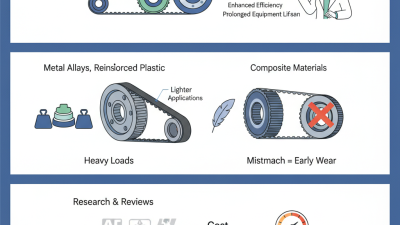
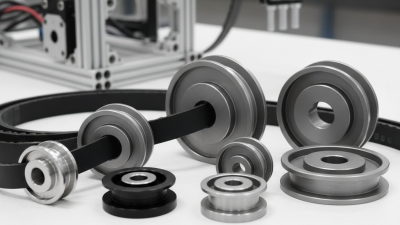
When evaluating pulleys, consider material and size. Commonly used materials include metal and plastic, each offering unique benefits. Metal pulleys provide strength and durability. Plastic pulleys are lightweight and often used in lower-load scenarios. The size of the pulley also matters. A larger pulley can increase speed; a smaller one may enhance torque. Balancing these factors is key to effective design.
The quality of timing belt pulleys can vary greatly. It is important to choose reliable sources. Inspecting potential options helps you avoid low-quality parts that fail under pressure. If you underestimate the importance of these components, you may face significant issues down the line. Always ensure that you have accurate specifications before purchasing. This attention to detail can save you from costly mistakes.
Identifying Your Specific Application Needs
When selecting the right timing belt pulleys, it's crucial to understand your specific application needs. Each machinery application has distinct requirements. Factors like load capacity, speed, and the type of belt being used can greatly impact your decision. For example, heavier loads often demand reinforced pulleys to withstand stress without failing. It’s essential to match the pulley material with the operating environment to ensure durability.
Identifying the correct size is another key aspect. Pulleys come in various diameters and widths, affecting performance and efficiency. It’s wise to review the belt specifications to avoid mismatches. A 10mm width may be ideal for light loads, while wider pulleys may be necessary for heavier tasks. Moreover, consider the pulley design. Some applications benefit from timing pulleys with grooves to maintain alignment.
Finally, don’t underestimate the importance of proper installation. Incorrectly installed pulleys can lead to premature wear or failure. Even with the right pulleys, poor alignment can result in significant issues. It may be worthwhile to trial different setups if you're uncertain. Reflection on previous experiences can guide future decisions, leading to better outcomes.
How to Choose the Right Timing Belt Pulleys for Your Needs?
| Application |
Belt Type |
Pulley Material |
Pitch (mm) |
Teeth Count |
Max Speed (RPM) |
| Automotive Engine |
HTD |
Aluminum |
5 |
30 |
8000 |
| Industrial Machinery |
GT2 |
Steel |
2 |
40 |
6000 |
| Home Appliances |
Synchronous |
Plastic |
3 |
20 |
1500 |
| Bicycle Drive |
UTC |
Aluminum |
1/2 |
30 |
3000 |
Evaluating Material Options for Durability and Performance
When choosing timing belt pulleys, material options play a crucial role in performance and durability. Common materials include aluminum, steel, and plastic. Each option has unique benefits. For instance, aluminum is lightweight and resistant to corrosion, while steel offers superior strength. Plastic can be a cost-effective choice, but it often doesn’t handle high-stress applications well.
Industry reports indicate that aluminum pulleys can reduce overall system weight by up to 30%. This reduction can lead to better energy efficiency in machinery. On the other hand, steel components can withstand higher loads but may add weight, impacting the overall performance if not designed wisely. Understanding the application is vital to selecting the right material for pulleys.
**Tips:** Consider the operational environment. Extreme temperatures or corrosive substances might dictate material choice. Regularly assess pulley wear and tear to catch issues early. Always prioritize materials that align with your specific operating conditions. Don't overlook the small details—they matter in long-term performance. Though many users lean towards cheaper options, investing in quality materials can yield better results over time.
Sizing Considerations for Optimal Fit and Function
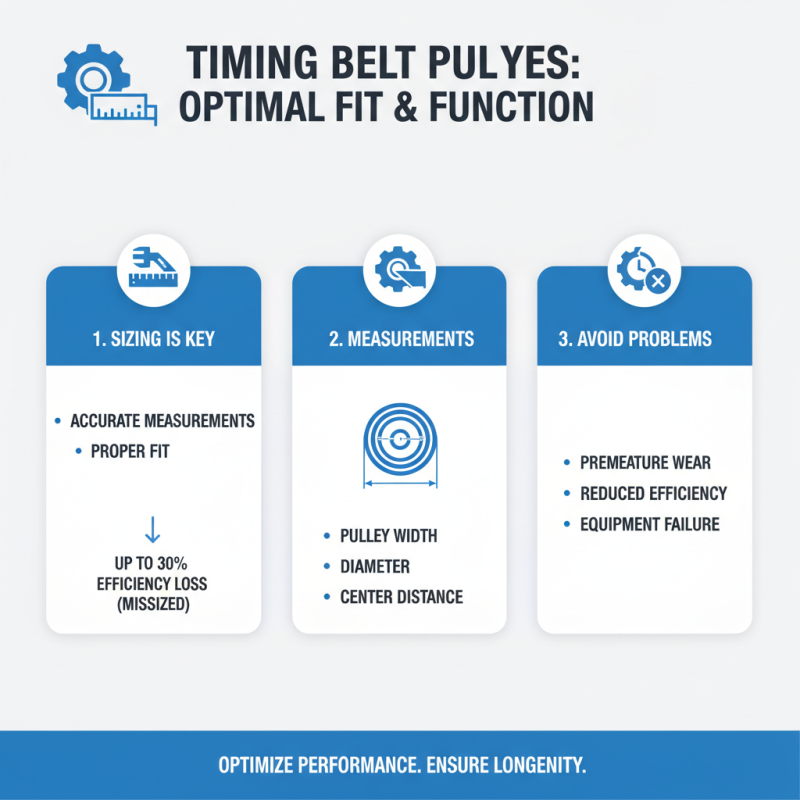
Choosing the right timing belt pulleys is crucial for optimal machinery performance. Sizing is the first step. Accurate measurements ensure proper fit. Industry data suggests that a mis-sized pulley can reduce efficiency by up to 30%. This inefficiency can lead to premature wear of both the belt and the pulley. It’s essential to measure the pulley width, diameter, and center distance.
Another factor is the material used. Pulleys made of aluminum or reinforced plastic often provide better durability. A study from Machinery Design indicated that using the correct material can increase lifespan by nearly 20%. However, different applications require different materials. It's vital to match characteristics like load capacity with the application context. Ineffective material choices can lead to failure and costly downtime.
Lastly, consider the groove type and profile. Various options exist, such as synchronous and V-belt grooves. Each type serves its own purpose and affects grip and efficiency. A misalignment in groove profile can lead to slippage, causing damage. Careful evaluation of all these factors will lead to better performance, but there's always room for improvement in assessing your unique needs.
Maintaining Timing Belt Pulleys for Longevity and Efficiency
Maintaining timing belt pulleys is crucial for optimal performance. Regular inspections can prevent unexpected failures. Look for signs of wear, such as cracks or fraying. If you notice any damage, it could affect the whole system. Keep the pulleys clean to avoid dirt buildup. Even small particles can cause significant issues over time.
Lubrication plays an essential role in maintenance. Applying the right lubricant can reduce friction and prolong the life of the pulleys. However, be cautious not to over-lubricate, as this can attract more dirt. Temperature fluctuations can also stress the pulleys. It's wise to monitor environmental conditions. A stable environment ensures better performance and longevity.
Remember, even with proper care, timing belt pulleys may wear over time. It's important to keep a proactive mindset. Regularly scheduled replacements can save you from more costly repairs later on. Investing a little time now will pay off in efficiency and reliability in the long run. Make maintenance a priority for lasting performance.
Timing Belt Pulleys Efficiency Analysis