How to Choose the Right Drive Pulleys for Your Machinery Needs?
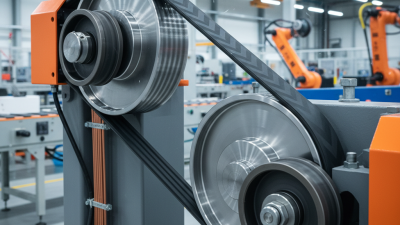
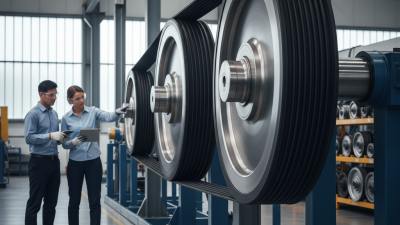
Selecting the right drive pulleys is crucial for optimizing machinery performance. These components play a vital role in power transmission and motion. Choosing the wrong type can lead to inefficiencies and equipment damage.
When considering drive pulleys, think about your specific needs. Understand the load requirements, speed ratios, and material compatibility. Each application can vary, leading to common mistakes. For instance, using a larger pulley may seem beneficial, but it can create tension issues. Additionally, selecting the wrong material can increase wear and tear.
Expert opinions stress the importance of precise measurements. Ensure you know the dimensions and alignment of your machinery. Quality drive pulleys meet specific industry standards, providing reliability and durability. Investing time in this process can prevent costly downtime later. Ultimately, informed choices enhance your machinery's performance and longevity.
Understanding the Basics of Drive Pulleys in Machinery
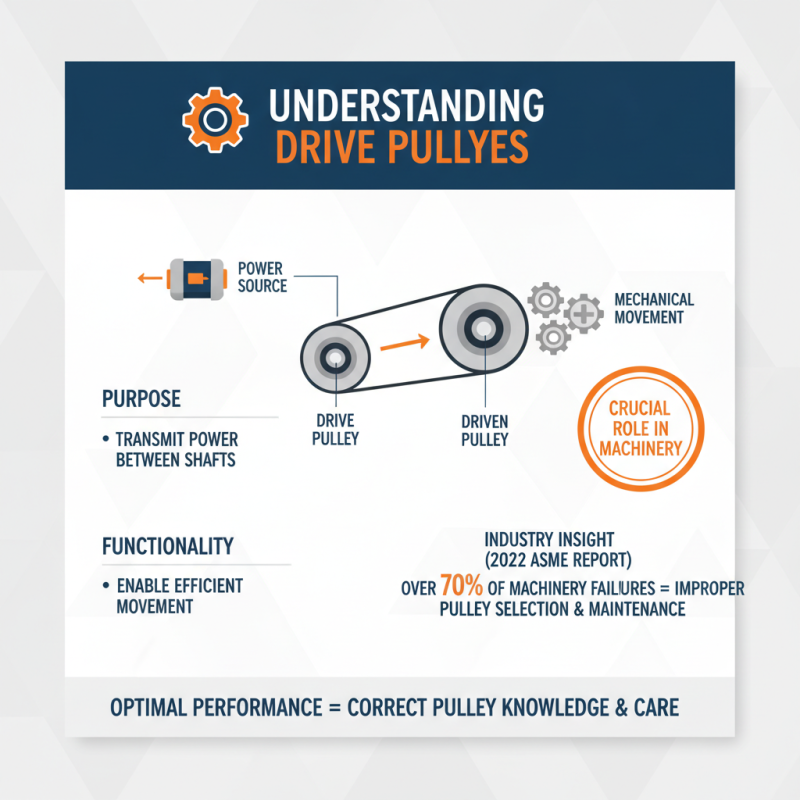
Drive pulleys play a crucial role in machinery operations. Understanding their purpose and functionality is essential for optimal performance. These components transmit power from one shaft to another, enabling efficient mechanical movement. According to a 2022 industry report by the American Society of Mechanical Engineers, over 70% of machinery failures stem from improper pulley selection and maintenance.
Choosing the right drive pulley affects torque, speed, and stability. The diameter, material, and groove profile all influence performance. For example, larger pulleys may reduce speed but increase torque, while smaller ones do the opposite. A notable survey from the Machinery Industry Association revealed that 65% of operators experienced operational inefficiencies due to improper pulley sizing. It’s essential to evaluate your machinery's specific needs meticulously.
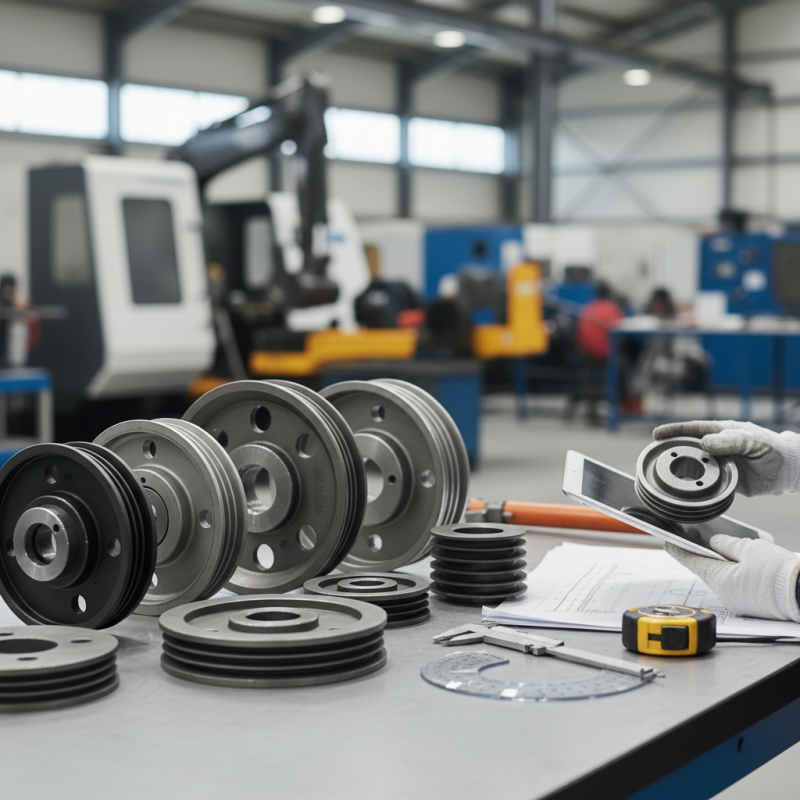
Inspecting wear and tear regularly is vital. Pulley misalignment can lead to further complications, such as excessive vibration and energy loss. Many operators overlook this aspect, leading to reduced productivity. Tools for alignment and tension measurement are necessary for effective maintenance. Taking these details into account can provide a more efficient system with fewer breakdowns.
Identifying Your Machinery's Operational Requirements
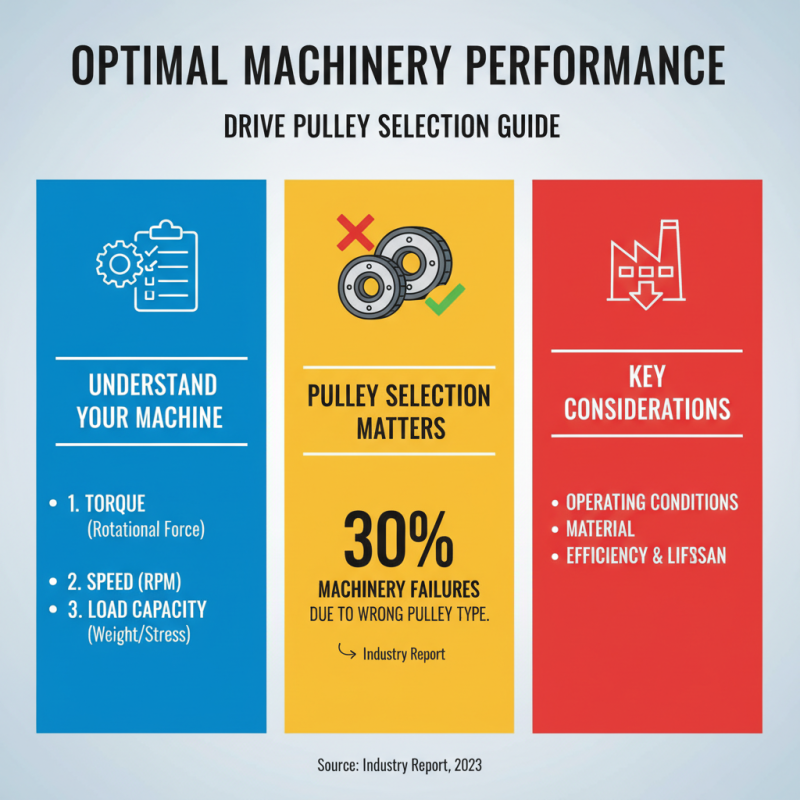
Choosing the right drive pulleys requires a deep understanding of your machinery's operational requirements. Different machines operate under various conditions. Therefore, knowing the specific torque, speed, and load capacities is crucial. According to a recent industry report, approximately 30% of machinery failures are linked to inappropriate pulley selection.
It’s essential to measure the diameter and material of the pulleys. Steel versus aluminum can significantly affect performance and durability. Keep in mind that heavier loads may require larger diameters to prevent slippage.
Tip: Regular maintenance of your pulleys can extend their lifespan. Inspect for wear and alignment frequently.
Pulleys also affect energy efficiency. An ill-suited pulley system can increase power consumption by up to 15%. Evaluate your machinery's environment; temperature and moisture can influence material selection too. Choose the right pulley, and you may notice improved operation and reduced costs.
Tip: Always consult technical specifications before finalizing your choice. Not every solution is perfect from the start. Seek feedback and be willing to adjust your selections.
Factors to Consider When Selecting Drive Pulleys
When selecting drive pulleys for your machinery, several critical factors come into play. Understanding these factors ensures that your machinery operates efficiently and effectively. One primary consideration is the pulley diameter. According to industry reports, the diameter can greatly influence the torque and speed of a system. A larger diameter typically offers better torque with reduced speed, making it ideal for heavy-duty applications.
Another vital aspect is the material of the pulley. Common materials include steel, aluminum, and composite options. Research indicates that steel pulleys are favored in high-load scenarios due to their durability. However, aluminum may be preferred in lightweight applications, offering sufficient strength with reduced inertia. In certain situations, ensuring the right balance between weight and strength can help prevent mechanical failures.
Belt compatibility is also crucial. Different belts demand specific pulley profiles. For instance, V-belts require pulleys with distinct grooves. Industry data shows that improper pulley selection can lead to increased wear and reduced efficiency, significantly affecting productivity. A pulley that fails to match belt specifications risks slipping, which can be a costly error. Each decision in this process can have ripple effects throughout your operation.
How to Choose the Right Drive Pulleys for Your Machinery Needs?
| Pulley Type |
Material |
Diameter (inches) |
Belt Compatibility |
Weight Capacity (lbs) |
Price Range ($) |
| V-Belt Pulley |
Cast Iron |
4 |
3L, A, B Series |
500 |
$20 - $35 |
| Timing Pulley |
Aluminum |
3 |
GT2, GT3 |
300 |
$10 - $25 |
| Sprocket Pulley |
Steel |
5 |
Roller Chain #40, #50 |
700 |
$15 - $30 |
| Flat Pulley |
Plastic |
6 |
Flat Belts |
200 |
$5 - $15 |
Types of Drive Pulleys and Their Applications
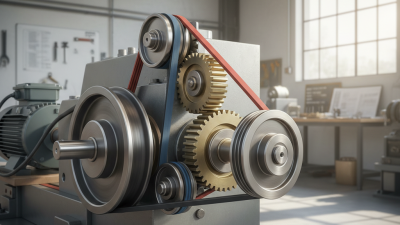
Drive pulleys come in various types, each designed for specific applications. V-belt pulleys are common in machinery that require high torque. They excel in power transmission, making them ideal for conveyor systems and industrial equipment. On the other hand, sheave pulleys are often used in cranes and lifts. Their design allows for smooth cable operation, enhancing precision in lifting tasks.
Flat pulleys serve a distinct role. They are suitable for applications needing minimal friction, such as timing belts. These pulleys are often used in automotive engines. Each pulley type has unique benefits and drawbacks. For instance, while V-belt pulleys handle heavy loads effectively, they can wear out faster in dust-prone environments.
In selecting the appropriate drive pulley, it’s crucial to consider factors like load requirements and environmental conditions. A mismatch can lead to inefficiencies. It’s not always easy to choose the right one. Users may struggle with understanding specifications, leading to costly mistakes. Always gather as much information as possible before making a decision.
Types of Drive Pulleys and Their Applications
Maintenance Tips for Optimal Pulley Performance
Maintenance is key for optimal pulley performance. Regular inspection ensures that wear and tear do not lead to bigger issues. Check for signs of fraying, cracks, or misalignment. These can significantly affect machinery efficiency.
Consider lubrication as a part of your maintenance routine. Properly lubricated pulleys reduce friction and extend their lifespan. Use the recommended lubricants specific to your machinery. However, over-lubrication can attract dust and debris. Balance is crucial here.
Additionally, ensure the pulley is correctly aligned with the drive components. Misalignment can lead to noise and vibration. It may also cause premature wear on both the pulley and connected parts. Periodic adjustments can prevent these problems and keep your machinery running smoothly.