How to Choose the Best Endless Flat Belt for Your Needs?
Choosing the right Endless Flat Belt can be a daunting task. Dave Thompson, an industry expert with over 20 years of experience, once said, "The right belt makes all the difference in performance." This highlights the importance of selecting the best belt for your specific needs.
Endless Flat Belts come in various materials and sizes. Each type serves different purposes, impacting efficiency and durability. Factors such as load capacity, temperature resistance, and application should be considered. For example, a belt used in food processing requires different properties than one used in manufacturing.
Understanding your unique requirements is crucial. Not every Endless Flat Belt will meet your expectations. It's essential to weigh the pros and cons of each option. Taking the time to evaluate these factors can lead to better performance and longevity in your operations.
Understanding the Basics of Endless Flat Belts
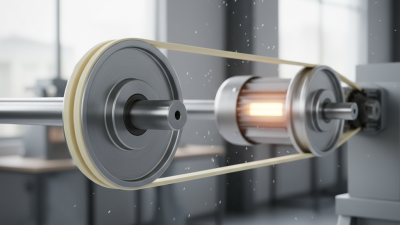
Endless flat belts are critical components in various industries. They are used in conveyor systems, textile manufacturing, and more. Understanding the basics of these belts is essential for making an informed choice. Endless flat belts are typically made from materials like rubber or fabric. Their design allows them to run smoothly over pulleys, ensuring efficient movement.
In a recent industry report, it was noted that nearly 60% of production delays occur due to belt failure. Selecting the right endless flat belt can mitigate this risk. Factors to consider include the belt's width, thickness, and material composition. The right choice must support the specific load requirements of your application. Each sector may have different standards, making research vital.
Another point to reflect on is the maintenance aspect. Belts require regular inspection to prevent unexpected breakdowns. Often, users overlook this, leading to costly downtime. Using belts that show signs of wear or damage can cause bigger issues. Proper training on how to monitor and maintain these belts is essential. Make sure your team understands the importance of proactive maintenance.
Identifying Your Specific Application Requirements
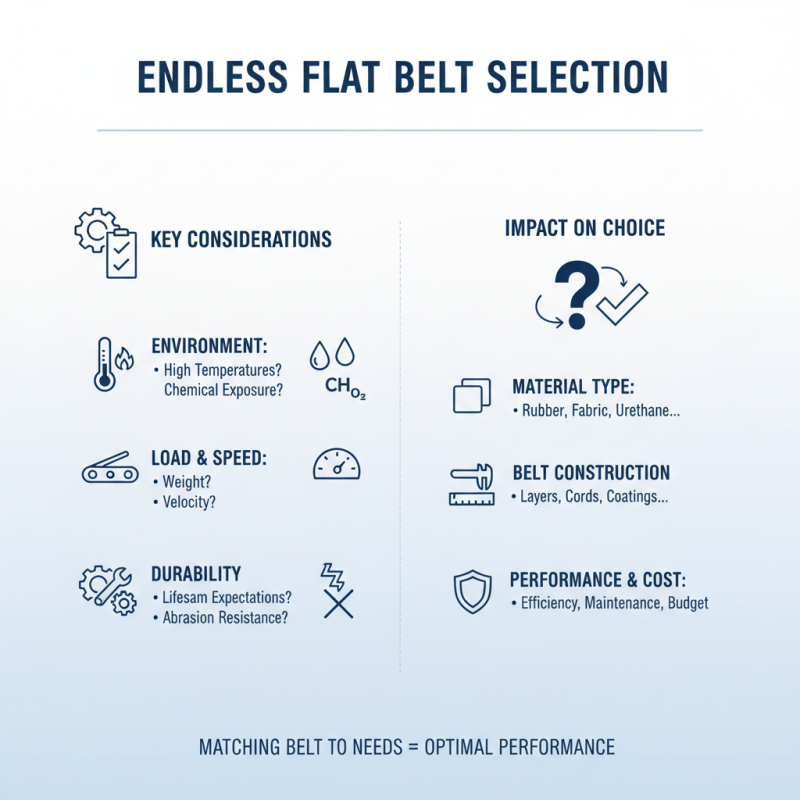
When selecting an endless flat belt, understanding your specific application requirements is crucial. Consider factors such as the environment where the belt will be used. Will it be exposed to high temperatures or chemicals? These details can significantly influence your choice.
The load capacity is another critical aspect. Think about the weight the belt needs to carry. Is it heavy machinery parts or lightweight materials? This can affect the belt's width, thickness, and material. Pay attention to the environment too. Dust, moisture, and grease can shorten a belt's lifespan.
It's essential to recognize that not all belts are created equal. You might find yourself drawn to one option without considering all aspects. Reflecting on past choices can also be enlightening. Did a previous belt fail due to oversight? These lessons can guide future decisions. Consider conducting tests to find the best fit. Sometimes, a consultation with an expert could save time. Finding the right flat belt is not just about making a purchase; it’s about meeting your unique needs effectively.
Evaluating Material Types and Their Benefits
When selecting an endless flat belt, the material type is crucial for performance. Common materials include rubber, polyurethane, and leather. Each offers unique properties that can impact efficiency and durability. For example, rubber belts excel in traction and shock absorption, making them suitable for heavy loads. According to industry reports, rubber belts can withstand temperatures from -30°C to 80°C.
Polyurethane is another popular choice. It is known for its resistance to abrasion and chemicals. This makes it ideal for environments with harsh conditions. Data indicates that polyurethane belts can last up to 50% longer than rubber counterparts in certain applications. However, they may not provide the same level of elasticity as rubber belts.
Leather, although less common today, still holds value in specific settings. It offers excellent flexibility and can handle varying frictions. Reports show that leather belts can adapt well to changes in load without losing their shape. However, they require more maintenance and are vulnerable to moisture. Choosing the right material involves weighing these trade-offs carefully. Each option has its strengths and weaknesses that could significantly influence performance.
Measuring Dimensions for a Perfect Fit
When selecting an endless flat belt, precise measurements are crucial for optimal performance. Most manufacturers suggest measuring the belt length and width accurately. According to a report by the American National Standards Institute (ANSI), improper dimensions account for up to 30% of belt failures in industrial applications.
Use a caliper or ruler to measure the width. Ensure the belt fits snugly into the pulley groove. An incorrect width could lead to slippage or excessive wear. For length, consider the total distance the belt will cover. Adding about 1 inch for adjustments is often recommended. However, this isn’t always guaranteed to be sufficient. Some installations may require more slack, especially when encountering tension changes.
Furthermore, friction and alignment issues may arise from dimensions that seem perfect on paper but fail in real-world applications. Reflecting on industry data, it’s clear that around 25% of users report recurring alignment problems linked to size miscalculations. Drawing up an accurate plan for measurement can help mitigate these risks. This attention to detail often separates reliable applications from problematic ones.
Performance Comparison of Different Endless Flat Belts
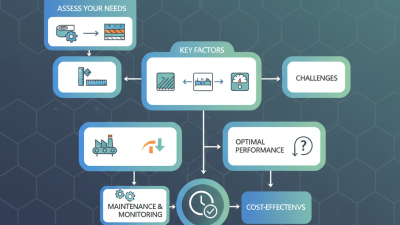
This chart illustrates the performance characteristics of various endless flat belts based on measurement criteria such as tensile strength, elongation, and flexibility. The data showcases how different materials perform in these key areas, allowing users to make an informed decision when choosing the best belt for their needs.
Comparing Cost-Effectiveness and Durability Options
When selecting an endless flat belt, cost-effectiveness and durability are key factors. Cost-effectiveness is about balancing price against performance. A lower initial cost might seem attractive, but it’s essential to consider longevity. High-quality materials often come with a higher price tag, but they may save you money in the long run. Cheaper belts may wear out quickly, leading to frequent replacements. Think about the hidden costs of downtime and maintenance.
Durability plays an equally critical role. Different applications require different strengths. A belt used in a heavy-duty setting needs to withstand abrasion. If it fails prematurely, production losses can be significant. Each belt type has unique properties, so it's vital to be aware of these differences. For instance, a belt that performs well in one environment might not hold up in another. It's worth testing several options to find the best fit.
Reflecting on your specific needs is crucial. Assess the operating conditions carefully. Are there extreme temperatures or heavy loads? A thorough evaluation can prevent costly errors. Don’t rush the decision; it could impact your operations. Understanding the trade-offs between initial cost and durability can lead to better investment in the long term.
How to Choose the Best Endless Flat Belt for Your Needs? - Comparing Cost-Effectiveness and Durability Options
| Belt Type |
Cost-Effectiveness (USD) |
Durability (Years) |
Typical Applications |
| Polyester |
$50 - $75 |
5 - 7 |
Lightweight materials handling, packaging |
| PVC |
$60 - $90 |
4 - 6 |
Food processing, textiles |
| Rubber |
$80 - $120 |
7 - 10 |
Heavy-duty applications, construction |
| Nylon |
$70 - $100 |
6 - 8 |
Automotive, manufacturing |
| Polyurethane |
$90 - $130 |
8 - 12 |
High wear resistance applications |