How to Choose the Right Rubber V Belt in 2026?
Choosing the Right Rubber V Belt in 2026 requires more than matching length and pulley width. A reliable choice begins with the machine’s real working conditions. Measure the pulley diameter, center distance, shaft speed, transmitted horsepower, and operating temperature. Then examine dust, oil mist, moisture, vibration, and daily load changes.
Dr. Robert L. Mott, a respected mechanical design author, offers a useful principle: “The belt must be selected as part of the complete drive system, not as an isolated component.” That advice remains relevant. A narrow belt may fit the groove but fail under shock loading. An oversized belt may create unnecessary bearing pressure. Small errors become expensive.
Start with the duty cycle.
For example, a packaging conveyor running twelve hours daily needs different protection than a lightly used workshop fan. In 2026, buyers should also compare compound quality, heat resistance, static conductivity, manufacturing consistency, and supplier documentation. Always verify the manufacturer’s ratings instead of trusting a product photograph or vague marketplace description.
Real installation experience also matters. A correctly sized Rubber V Belt can still slip when tension is poor, pulleys are misaligned, or the guard traps excessive heat. I have seen belts replaced repeatedly when the real fault was a worn pulley groove. That mistake is easy to make.
The selection process is not perfect. Catalog data may differ between brands, and field conditions can change unexpectedly. Therefore, inspect the drive after installation, record temperature and vibration, and adjust carefully. The right Rubber V Belt is the one that performs reliably within the complete system, not merely the one that fits first.
Understanding Rubber V Belt Types and Their Applications
How to Choose the Right Rubber V Belt in 2026?
Understanding Rubber V Belt Types and Their Applications
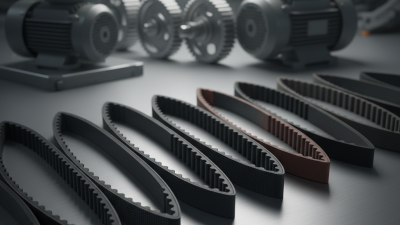
Choosing a rubber V belt starts with the machine, not the belt catalog. Classical wrapped belts suit general drives, pumps, fans, and workshop equipment. Their fabric cover protects the rubber from moderate heat and surface wear. Cogged raw-edge belts bend more easily around small pulleys. They often perform well in compact drives and applications with frequent starts. Narrow wedge belts carry higher loads in less space. They are useful in industrial machinery, compressors, and agricultural equipment. Banded belts help control vibration when several belts must work together.
Check the belt profile, length, speed, pulley diameter, and transmitted power. A belt that looks correct may still slip under heavy loads. Measure the old belt carefully, but do not trust worn dimensions completely. I have seen a slightly stretched belt create misleading measurements. Temperature matters, too. Excess heat hardens rubber, while oil contamination can soften it. Always verify the belt’s compound and operating range with reliable technical data. Standards and manufacturer specifications should guide the final selection.
Tips: Keep pulleys aligned and remove dirt before installation. Set tension with a gauge when possible. Avoid forcing a belt over a pulley. That shortcut can damage internal cords. Inspect for cracks, glazing, and uneven wear every few weeks. Recheck tension after the initial running period. A quiet drive is not always a healthy drive. Some early wear remains easy to miss.
How to Choose the Right Rubber V Belt in 2026?
Understanding Rubber V Belt Types and Their Applications
How to read this chart: Classical profiles such as A, B, and C are commonly used for general industrial drives, while narrow profiles such as SPZ, SPA, SPB, and SPC provide higher power transmission capacity within a similar envelope. Choose the belt profile according to pulley dimensions, transmitted power, speed, operating temperature, and the manufacturer's specification.
Values show nominal top width and height in millimetres based on commonly used ISO/DIN V-belt profile dimensions. Actual dimensions and performance may vary by construction and application.
Matching Belt Dimensions to Pulley Specifications
How to Choose the Right Rubber V Belt in 2026?
Matching Belt Dimensions to Pulley Specifications
Choosing a rubber V belt starts with the pulley, not the belt label. Measure the groove width, depth, angle, and pitch diameter with accurate tools. The belt profile must sit correctly inside the groove. A belt riding too high may slip, while one sitting too low can bottom out. Check the pulley’s center distance and calculate the required belt length. Do not confuse outside length with pitch length. This mistake is common.
In field maintenance, I have found that small errors create visible problems. A belt can look suitable but still run hot or vibrate. Compare the belt’s top width and thickness with the pulley groove dimensions. Confirm the shaft speed, power load, and wrap angle as well. A longer center distance may need an idler or better tension control. Inspect both pulleys for wear. A polished groove often signals slipping.
Tips: Use a caliper, belt gauge, and straightedge. Record every measurement twice. Check the manufacturer’s dimensional chart before ordering. After installation, align the shafts carefully and tension the belt gradually. Run the drive briefly, then inspect tracking and heat. Recheck tension after initial operation. I sometimes rely too much on visual judgment, and that has caused avoidable rework. Measure again when the result feels uncertain.
Evaluating Load, Speed, Temperature, and Environmental Conditions
How to Choose the Right Rubber V Belt in 2026?
Selecting a rubber V belt starts with the actual load, not the pulley size. Record motor power, starting torque, operating hours, and shock loads. A conveyor carrying wet material may need more capacity than its steady power suggests. Use the belt manufacturer’s power tables and apply the recommended service factor. Undersizing often causes slipping, heat, and premature cracking.
Speed matters just as much. Check the driver and driven pulley diameters, then calculate the belt speed and transmission ratio. Very high speeds can increase vibration and centrifugal stress. Very low speeds may reduce cooling and encourage slip. Inspect pulley grooves for wear, because a belt sitting too deeply cannot transfer power efficiently. Alignment should be checked with a straightedge, not guessed by eye.
Temperature and surroundings can change the selection completely. Continuous heat near an engine may harden rubber, while cold conditions can make it less flexible. Oil, water, dust, and chemicals may attack the belt compound. Choose a construction rated for the measured temperature range and exposure. Keep ventilation clear around enclosed drives. I once blamed a belt for repeated failure, but poor alignment was the real cause. That mistake still matters. Recheck tension after installation, because new belts can settle during early operation. Leave room for honest inspection.
Comparing Rubber Compounds, Construction, and Service Life
How to Choose the Right Rubber V Belt in 2026?
Rubber compound selection starts with the working environment.
Chloroprene rubber suits general industrial drives, while EPDM handles heat, ozone, and weather more effectively. Oil exposure remains a weakness for many standard compounds. The U.S. Department of Energy’s Improving Motor and Drive System Performance sourcebook places correctly installed belt-drive efficiency around 90–98%. That range is useful, but it is not a guarantee. A dirty pulley can erase the difference quickly.
Construction also changes performance.
Wrapped belts offer protection against abrasion and occasional side contact. Raw-edge, cogged belts bend more easily around smaller pulleys and can reduce bending losses. Polyester cords suit ordinary loads. Aramid cords provide higher tensile strength, but they cost more and tolerate poor alignment poorly. I have seen an expensive belt fail early because the pulley groove was worn. The belt was not the real problem.
Service life depends on temperature, tension, alignment, and shock loading.
The U.S. Department of Energy recommends regular inspection and correct tensioning because both under-tensioning and over-tensioning accelerate failure. ISO 4184 provides dimensional guidance for classical and narrow V belts, helping users match belts with compatible pulleys. In practical testing, measure belt deflection, inspect cracks, and check pulley wear during scheduled maintenance. A manufacturer’s life estimate may suggest several years, yet dusty air, frequent starts, or heat above the compound’s rating can shorten it sharply. I would treat every service-life figure as a starting point, not a promise.